
A well-designed garden can transform the appearance and functionality of any outdoor space. Whether you want to create raised garden beds, improve an uneven backyard or add structure to your landscape, choosing the right wall materials makes a significant difference. One popular solution for Australian homeowners is concrete block construction, which combines strength, durability and attractive design.
Garden wall blocks offer a practical way to create defined outdoor areas while improving the overall appearance of your property. Available in different colours, finishes and textures, these blocks can complement both modern and traditional garden designs.
If you are planning a landscaping project in Canberra or elsewhere in Australia, understanding the benefits, applications and installation requirements of block walls can help you make a more informed decision.
What Are Garden Wall Blocks?
Garden wall blocks are specially designed concrete or masonry units used to construct garden walls, retaining walls, raised planting areas and other landscape features. They provide a solid structure that helps separate different sections of a garden while creating a neat and organised appearance.
Unlike temporary garden edging, block walls offer a more permanent solution. Depending on their design and construction, they can also support soil and help manage changes in ground levels.
Concrete blocks are particularly useful for landscaping projects because they are available in various colours and textures. This makes it easier to create an outdoor feature that complements your home's exterior and surrounding landscape.
Benefits of Using Concrete Blocks in Garden Landscaping
Choosing suitable materials is essential when planning an outdoor improvement project. Concrete blocks offer several advantages that make them a popular option.
1. Strength and Durability
Concrete masonry blocks are designed to provide a strong and stable structure. When installed with appropriate foundations and construction methods, they can withstand outdoor conditions and support the intended landscaping requirements.
Their durability makes them suitable for different applications, including garden borders, structural retaining walls and raised planting areas.
2. Attractive Colours and Textures
Modern landscaping is not only about functionality. Appearance also plays an important role.
One advantage of Garden wall blocks is the variety of contemporary colours and textures available. Homeowners can select finishes that complement paving, outdoor pathways, garden beds and other landscape elements.
Textured finishes can create an attractive natural appearance, while cleaner block designs work well in contemporary outdoor settings.
3. Better Use of Outdoor Space
Sloping gardens can sometimes be difficult to maintain or organise. Block walls can help reclaim uneven land and create more usable outdoor areas.
For example, a retaining wall can divide a sloping backyard into different levels, making room for planting areas, pathways or outdoor entertainment spaces.
4. Versatile Landscaping Applications
Concrete blocks are suitable for more than traditional retaining walls. They can also be used to construct:
- Decorative garden walls.
- Raised garden beds.
- Vegetable patches.
- Planter boxes.
- Boundaries between garden sections.
- Structural soil-retaining walls.
This versatility allows homeowners to create practical and visually appealing landscapes.
How to Choose the Right Blocks for Your Garden
Selecting suitable materials requires careful consideration of your landscaping goals, site conditions and wall requirements.
Consider the Purpose of the Wall
Start by deciding what you want the wall to achieve. A decorative garden wall may have different construction requirements from a retaining wall designed to hold back a large amount of soil.
Understanding the purpose helps determine the appropriate block type, foundation and construction approach.
Look at Colours and Finishes
Choose a block finish that complements the surrounding outdoor environment. Consider your home's exterior colours, existing paving and garden design.
Neutral shades can create a timeless appearance, while textured concrete finishes can add character to outdoor spaces.
Assess Ground Conditions
The condition of the ground is another important consideration. Soil type, slope, drainage and the amount of soil being retained can all influence the construction method.
Professional assessment is particularly important when dealing with sloping ground or larger retaining structures.
Important Installation Considerations for Block Walls
Proper installation is essential for achieving a stable and long-lasting wall. Simply stacking blocks is not enough, especially when the structure needs to retain soil.
Professional construction involves several important considerations.
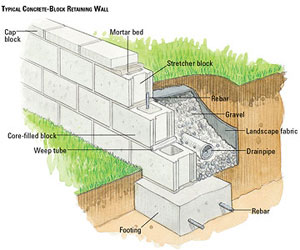
Foundation preparation: A suitable footing provides support for the wall. Depending on the wall's height and site conditions, this may involve a compacted road base or concrete footing.
Drainage installation: Water pressure can affect retaining wall stability. Providing appropriate drainage behind the wall helps manage water movement. This can include approximately 200mm of aggregate behind the wall and a drainage line, where suitable for the design.
Block placement: Blocks may be interlocked or installed using mortar, depending on the selected construction system and structural requirements.
Capping blocks: Mortared or glued capping blocks can provide a neat and finished appearance along the top of the wall.
For walls with greater structural demands, engineered blocks and professionally designed construction may be required. The appropriate footing and installation specifications should always be confirmed for the individual project rather than relying on height alone.
Why Professional Block Wall Installation Matters
Although concrete blocks are durable materials, the quality of installation directly affects the performance of the finished structure.
Experienced contractors understand the importance of site preparation, foundations, drainage and correct block placement. They can also assess the property and recommend a suitable construction approach.
For Australian homeowners, working with a local contractor can make it easier to plan a landscaping project that suits the property's conditions.
If you are considering Garden wall blocks for your Canberra property, Retaining Walls Landscaping provides block wall supply and construction services for homeowners, renovators and construction companies.
The team works with coloured and textured concrete blocks to create practical retaining structures and attractive outdoor features.
Transform Your Outdoor Space with Quality Block Walls
A thoughtfully constructed block wall can improve both the appearance and functionality of your garden. From creating raised planting areas to managing sloping land, concrete block construction offers a versatile solution for different landscaping requirements.
Choosing quality Garden wall blocks, planning suitable foundations and ensuring proper drainage are important steps towards achieving a reliable result.
Whether you are renovating an existing garden or planning a completely new outdoor layout, professional guidance can help you select the right materials and construction approach.
Ready to improve your outdoor space? Visit retainingwalls-landscaping.com/block-walls/ to explore block wall solutions in Canberra and discuss your landscaping requirements with the team.
Frequently Asked Questions (FAQs)
1. What are garden wall blocks used for?
Garden wall blocks are used to construct decorative garden walls, raised garden beds, planter boxes, retaining walls and other outdoor landscaping features.
2. Are concrete blocks suitable for retaining walls?
Yes. Concrete masonry blocks are suitable for structural retaining walls when the correct blocks, foundations, drainage and construction methods are used.
3. Can I use garden blocks on sloping ground?
Yes. Block walls can help create level sections in sloping gardens. However, the foundation and construction requirements should be assessed according to the ground conditions and wall design.
4. Do block retaining walls require drainage?
Yes. Proper drainage is important because accumulated water can increase pressure behind a retaining wall. Aggregate and suitable drainage systems help manage water movement.
5. Are garden wall blocks available in different colours?
Yes. Concrete blocks are available in various contemporary colours and textures, allowing homeowners to choose finishes that complement their outdoor landscaping.
6. Why should I hire professionals for block wall construction?
Professional contractors can assess site conditions, prepare suitable foundations, install drainage and construct the wall using appropriate methods. This helps achieve a stable, durable and attractive result.