
What Full Coverage Actually Buys You
A full-length apron extending from chest to below the knee protects against the widest range of bench hazards, including dropped tools, splinters kicked up from sawing, and the glue and finish splatter that comes with nearly every woodworking project. For anyone doing a genuine mix of joinery, sawing, and finishing work in the same session, full coverage reduces how often clothing underneath takes any damage at all, which matters for anyone who does not want to change between tasks.
Where Full Coverage Becomes a Drawback
The tradeoff is mobility. A longer apron can catch on a low shelf, a clamp, or a stool leg during the constant bending and crouching that bench work involves, and in warmer shops the extra material traps more heat against the body over a long session. Woodworkers who move frequently between a bench, a lathe, and a finishing area sometimes find full coverage gets in the way more than it helps, simply because it was not designed with that much movement in mind.
What a Shorter, Waist-Length Apron Solves Instead
A shorter cut that stops around the hip trades some lower-body protection for noticeably better mobility, which suits woodworkers doing lighter, more mobile tasks like assembly, measuring, and light hand-tool work rather than heavy sawing or sanding. It is a reasonable choice for anyone whose bench time is spent more on precision and less on generating the kind of debris full coverage is built to catch.
Why Cross-Back Straps Beat a Simple Neck Loop
A basic neck loop concentrates the apron's full weight on a narrow band across the back of the neck, which becomes genuinely uncomfortable over a multi-hour session and tends to encourage slouching as the shoulders try to relieve the pressure. Cross-back straps distribute that same weight across both shoulders in an X pattern, spreading the load enough that most woodworkers stop noticing the apron's weight entirely partway through a long session.
When a Simple Neck Loop Still Makes Sense
For shorter sessions or lighter-weight aprons, the comfort difference between a neck loop and cross-back straps matters less, and some woodworkers genuinely prefer the simplicity of a neck loop for quick on-and-off use between short tasks throughout a day. The cross-back design earns its keep specifically during long, sustained bench sessions, not necessarily for someone who puts an apron on and off several times for brief five-minute tasks.
Matching the Choice to the Kind of Work Being Done
Awoodworking apron chosen for heavy joinery, repeated sawing, and finishing work benefits from full coverage and cross-back straps together, since that combination handles both the debris and the sustained wear time that kind of work involves. A woodworker focused mainly on fine assembly and detail work, moving around the shop frequently, may find a shorter cut and simpler strap design genuinely more comfortable without giving up much real protection.
Testing Fit Before Committing to Either Design
Since these two decisions interact, it is worth trying on or carefully checking the stated dimensions of both a full-length and a shorter apron before buying, rather than assuming one is simply the better default. A woodworker's own height, typical session length, and the specific mix of tasks they do at the bench all shift the answer in ways a generic recommendation cannot fully account for.
Adjustability as a Middle Ground
Some aprons split the difference by offering an adjustable length tie that lets the wearer shorten the drop slightly for mobile tasks and lengthen it again for heavier bench work, which avoids needing two separate aprons for two different kinds of sessions. This adjustability is worth prioritizing for anyone who genuinely cannot predict in advance which type of work a given shop day will mostly involve.
What to Actually Look for in a Listing
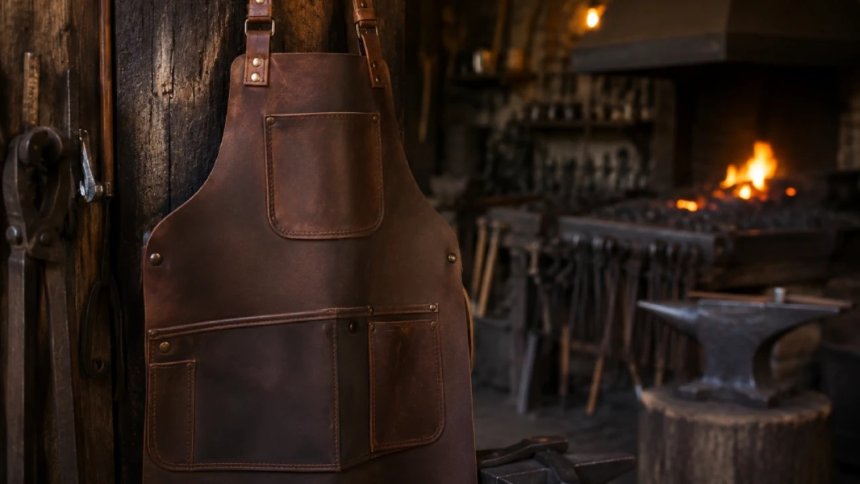
Check the stated length against your own height rather than assuming a generic measurement fits everyone the same way, and look specifically for cross-back strap construction if long sessions are the norm rather than the exception. These two details matter more for day-to-day comfort than most of the other specifications a product listing tends to emphasize, and a listing photo rarely makes either one obvious at a glance.
Why This Decision Is Worth More Thought Than It Gets
Coverage length and strap design get far less attention in buying guides than leather thickness or pocket count, despite affecting comfort and safety just as directly.Leather aprons that fit the actual shape of a woodworker's typical day, rather than a generic one-size description, are the ones that actually get reached for every single time the bench gets used.
Trying Before Committing to a Full Season of Use
Where possible, trying on both a full-length and a shorter apron at a local woodworking supply shop before ordering online gives a far clearer sense of which combination of length and strap design actually suits a particular build and working style than product photos alone can convey. A few extra minutes spent on this comparison before buying saves the hassle of returning or simply tolerating a poor fit for years of bench sessions afterward.
Revisiting the Choice as a Shop Evolves
A woodworker's typical mix of tasks often shifts over time, moving from mostly assembly work toward heavier joinery or the reverse, which means the ideal coverage and strap combination can change years after the first apron was bought. Treating this as a decision worth revisiting occasionally, rather than a one-time choice made early and never reconsidered, keeps the gear matched to whatever the bench actually demands at each stage of a woodworker's ongoing development.
The Takeaway for a First-Time Buyer
Neither coverage length nor strap design has a single universally correct answer, which is exactly why both deserve more than a passing glance before buying. A first-time buyer who takes the few extra minutes to think through their own typical bench session, rather than defaulting to whichever option appears first in a search result, ends up with gear that feels like it was made for their shop specifically rather than for woodworkers in general, which is really the whole point of taking a decision this ordinary this seriously in the first place.