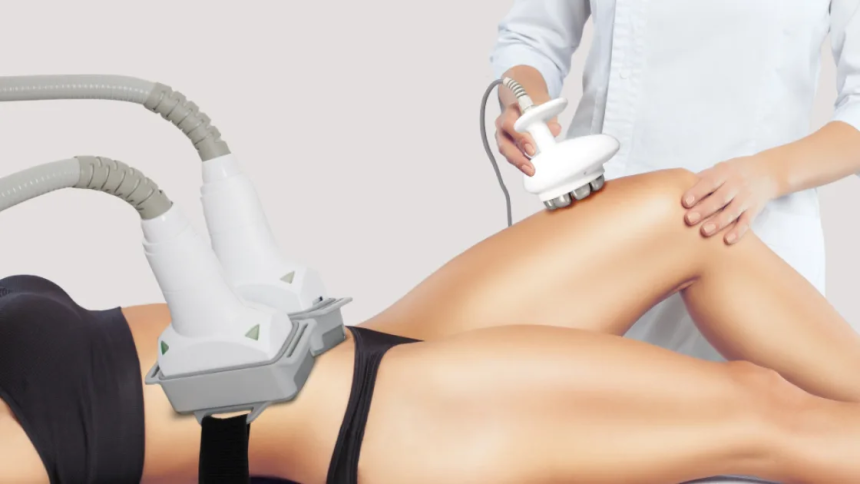

What Is the Scientific Basis for Laser Skin Tightening?
Laser skin tightening has become a popular non-invasive solution for improving skin elasticity and reducing signs of aging. Understanding the scientific basis for laser skin tightening helps individuals make informed decisions about their skincare journey. For those exploring advanced treatments in the UAE, clinics like Dynamic Life Clinic in Dubai provide cutting-edge procedures that combine safety and effectiveness. Patients often pair these treatments with complementary options such as Lipolysis treatment in Dubai to enhance overall results.
How Laser Energy Interacts with SkinThe effectiveness of laser skin tightening stems from its interaction with skin tissue. Lasers emit concentrated light energy that penetrates the dermis without damaging the epidermis. This energy is absorbed primarily by water and collagen fibers, which triggers several physiological responses:
- Collagen denaturation: Heat causes collagen fibers to contract, immediately tightening the skin.
- Neocollagenesis: The controlled thermal injury stimulates fibroblasts, the cells responsible for collagen production, leading to long-term skin firming.
- Increased blood flow: Thermal stimulation improves microcirculation, enhancing nutrient delivery and tissue repair.
These mechanisms work together to restore skin elasticity and smoothness, making laser treatments a scientifically grounded option for rejuvenation.
Types of Lasers Used in Skin TighteningLaser technology for skin tightening varies depending on the desired depth and intensity. Different lasers target specific layers of the skin to achieve optimal results:
- Ablative lasers: Remove the outer skin layer while stimulating collagen growth in the dermis. Examples include CO₂ and Er:YAG lasers.
- Non-ablative lasers: Focus on heating the dermis without affecting the epidermis, minimizing downtime. Popular options include Nd:YAG and diode lasers.
- Fractional lasers: Deliver energy in micro-beams, treating small sections of skin while leaving surrounding tissue intact for faster healing.
Understanding these laser types allows practitioners to customize treatments based on skin condition and target areas.
The Role of Collagen in Skin TighteningCollagen is a structural protein that provides skin with strength and elasticity. As people age, collagen production naturally declines, leading to sagging and wrinkles. Laser skin tightening works by:
- Stimulating fibroblasts to produce new collagen fibers.
- Promoting alignment of existing collagen fibers for smoother texture.
- Enhancing the skin’s ability to retain moisture, contributing to plumpness.
Scientific studies have shown that consistent laser sessions can increase collagen density, resulting in firmer and younger-looking skin.
Factors Influencing Treatment EffectivenessSeveral variables determine how well laser skin tightening works for an individual:
- Skin type and thickness: Darker skin tones require lasers with lower melanin absorption to prevent hyperpigmentation.
- Age and collagen levels: Older skin may require multiple sessions for noticeable results.
- Laser wavelength and power: Selecting the correct laser settings ensures optimal penetration without damaging tissue.
- Treatment frequency: Scheduled sessions spaced appropriately allow collagen to develop gradually.
A personalized approach ensures safety and maximizes the skin-tightening effect.
Complementary Benefits of Laser TreatmentsBeyond tightening, laser procedures provide additional skin health advantages:
- Reduction of fine lines and wrinkles
- Improvement in skin texture and tone
- Minimization of pore size
- Enhanced overall skin vitality
Integrating these benefits with complementary therapies, such as Lipolysis treatment in Dubai, can address both skin laxity and localized fat deposits for a more comprehensive aesthetic improvement.
Safety and Clinical ConsiderationsLaser skin tightening is considered low-risk when performed by trained professionals. Key safety measures include:
- Pre-treatment skin assessment to select the appropriate laser type.
- Controlled energy delivery to prevent burns or pigmentation changes.
- Post-treatment care, such as avoiding sun exposure and applying hydrating agents.
Clinics in Dubai, including those offering Dynamic Life Clinic in Dubai services, follow these protocols to maintain high standards of patient safety.
ConclusionThe scientific foundation of laser skin tightening relies on controlled thermal stimulation of collagen fibers and fibroblast activation. By understanding how different lasers interact with skin, patients can appreciate the physiological processes behind improved elasticity and texture. With advanced technologies available at reputable Dubai clinics and complementary treatments like Lipolysis treatment in Dubai, individuals can achieve safer, more effective, and lasting results.
Choose Professional Driving Lessons for a Safer Driving Experience in...

Discover Better Oral Care Savings with Laifen Black Friday Offers



From Asia to Europe: Understanding Regional Differences in Global Plas...
Plastics markets remained uneven during September 2026.