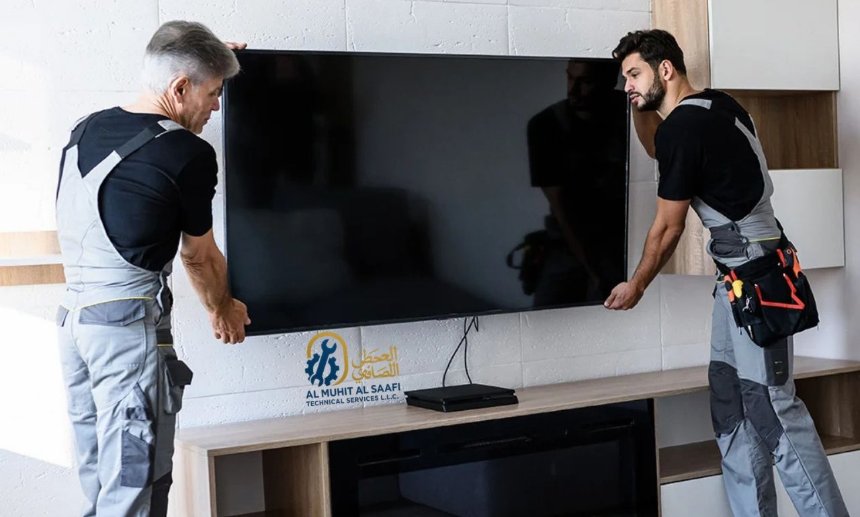

TV Wall Mount Installation Cost in Dubai and Sharjah
Learn what affects TV wall mount installation cost in Dubai and Sharjah, including TV size, wall type, brackets, and cable management.
TV Wall Mount Installation Cost: A Complete Guide for Homeowners
Mounting a television on the wall is a popular way to create a clean, modern, and comfortable entertainment area. It saves space, reduces the need for bulky furniture, and can make watching movies, sports, and television programmes more enjoyable. However, before arranging an installation, many homeowners ask the same question: how much does TV wall mount installation cost?
The total price depends on several factors, including your TV size, wall type, mounting bracket, cable management, and job complexity. Understanding these factors can help you plan your budget and choose a suitable installation service.
Whether you live in an apartment, a villa, or a commercial property, knowing what a professional
installation includes can help you avoid unexpected expenses. This guide explains the main cost factors, different mounting options, and what to consider when hiring a TV installer in Dubai or Sharjah.
TV wall mount installation costs vary based on installation requirements and the service provider. A straightforward installation on a suitable wall may cost less than a project involving a large television, a complex bracket, or concealed cables.
Some installers charge a labour fee, while others offer a package that includes the bracket, installation,
and basic setup. For this reason, compare the full service, not just the advertised price.
Before booking, ask the installer whether the quotation includes:
- Labour and installation.
- TV wall mounting bracket.
- Drilling and suitable wall fixings.
- Levelling and positioning.
- Basic cable arrangement.
- Concealed cable installation, if required.
- Television connection and final checks.
Additional work, such as installing a power outlet, concealing cables inside a wall, or mounting a television on an unusual surface, may involve extra charges.
Several details can influence the final TV wall mounting cost. Understanding them makes it easier to estimate the budget and explain your requirements to an installer.
The size and weight of your television matter. A smaller television is easier to position, while a large, heavy screen may need extra support and careful handling.
The bracket must match the television’s weight and mounting pattern. Larger televisions may also require two people to lift and position safely.
However, screen size alone does not determine the price. Wall material, bracket type, and overall installation complexity also affect the price.
The wall surface can significantly affect the installation process.
Concrete walls: These often require masonry drill bits, anchors, and fixings suited to the wall and bracket.
Brick walls: The installer needs to assess the brickwork and mortar joints before selecting appropriate fixings.
Drywall or plasterboard: The mounting method depends on the wall construction and the location of suitable structural supports. Do not attach heavy televisions to unsupported plasterboard using ordinary fixings.
Special wall surfaces: Tiled, decorative, or stone surfaces may require additional care and specialist drilling techniques to avoid damage.
A professional assessment helps determine the safest mounting method for the specific wall.
The bracket you choose can also affect the total installation price.
Fixed TV Wall Mount
A fixed bracket holds the television close to the wall. It is often suitable for rooms where the viewing position won't change.
Tilting TV Wall Mount
A tilting bracket allows the screen to angle slightly up or down. This can be useful when the television is installed higher than eye level.
Full-Motion TV Wall Mount
A full-motion bracket allows the screen to swivel and extend away from the wall. It provides more flexibility, but the bracket and installation may cost more than a basic fixed setup.
Before choosing a bracket, check compatibility with your television and make sure the wall can safely support the complete installation.
TV wall mount installation prices can be hard to compare because providers include different services. One quotation might cover only the labour, while another may include the bracket and basic cable management.
For a clearer comparison, ask for an itemized quotation.
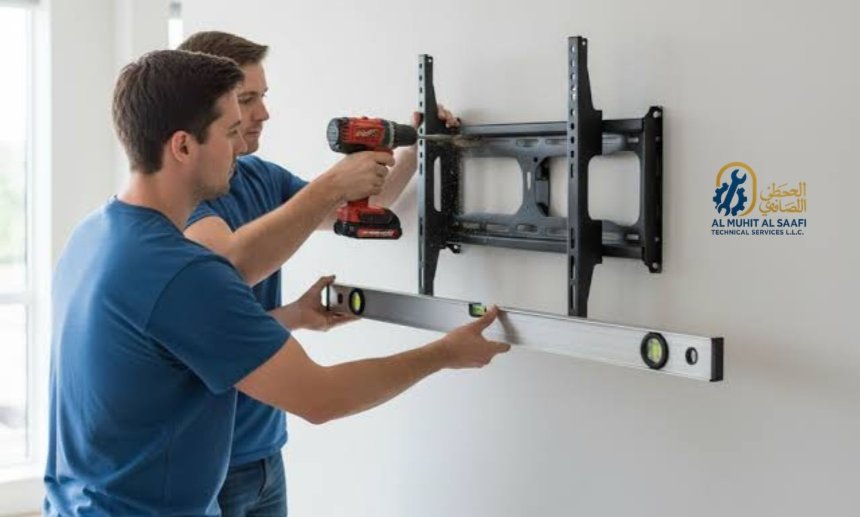
A basic installation typically involves positioning the television, securing a compatible bracket, mounting the screen, and ensuring it is level.
The exact scope varies by provider, so confirm whether the bracket and fixings are included.
Cable management keeps the area tidy by organizing wires between the television and connected devices.
Some installations use external cable covers, while others route cables through a suitable wall cavity. Concealed installation can require additional work and should be planned carefully.
You may also want the installer to connect a satellite receiver, streaming device, soundbar, or gaming console.
The price may increase if the job requires extra cables, additional wall-mounted equipment, or more complicated wiring.
The cost of flat-screen TV wall mounting depends on where the television will be installed and how the surrounding space is arranged.
In a living room, the television is often positioned opposite the main seating area. The installer should consider viewing height, seating distance, glare, and nearby furniture.
A suitable position can improve comfort and make the entertainment area look more organized.
Bedroom installations may require a higher mounting position to suit viewing from the bed. A tilting bracket can adjust the screen angle as needed.
The installer should also ensure that the position is comfortable and that the wall and bracket provide sufficient support.
Offices, meeting rooms, shops, and reception areas may require larger screens or specific viewing angles. Installation may also involve connecting presentation equipment or routing cables for multiple devices.
Commercial installations should account for how people will use the space and whether staff need regular access to the equipment.
An LED TV wall mounting service can help you choose a suitable bracket and position your television correctly. Although many modern televisions are relatively slim, their mounting requirements still
What Information Should You Give a Tow Truck Dispatcher During a Roads...