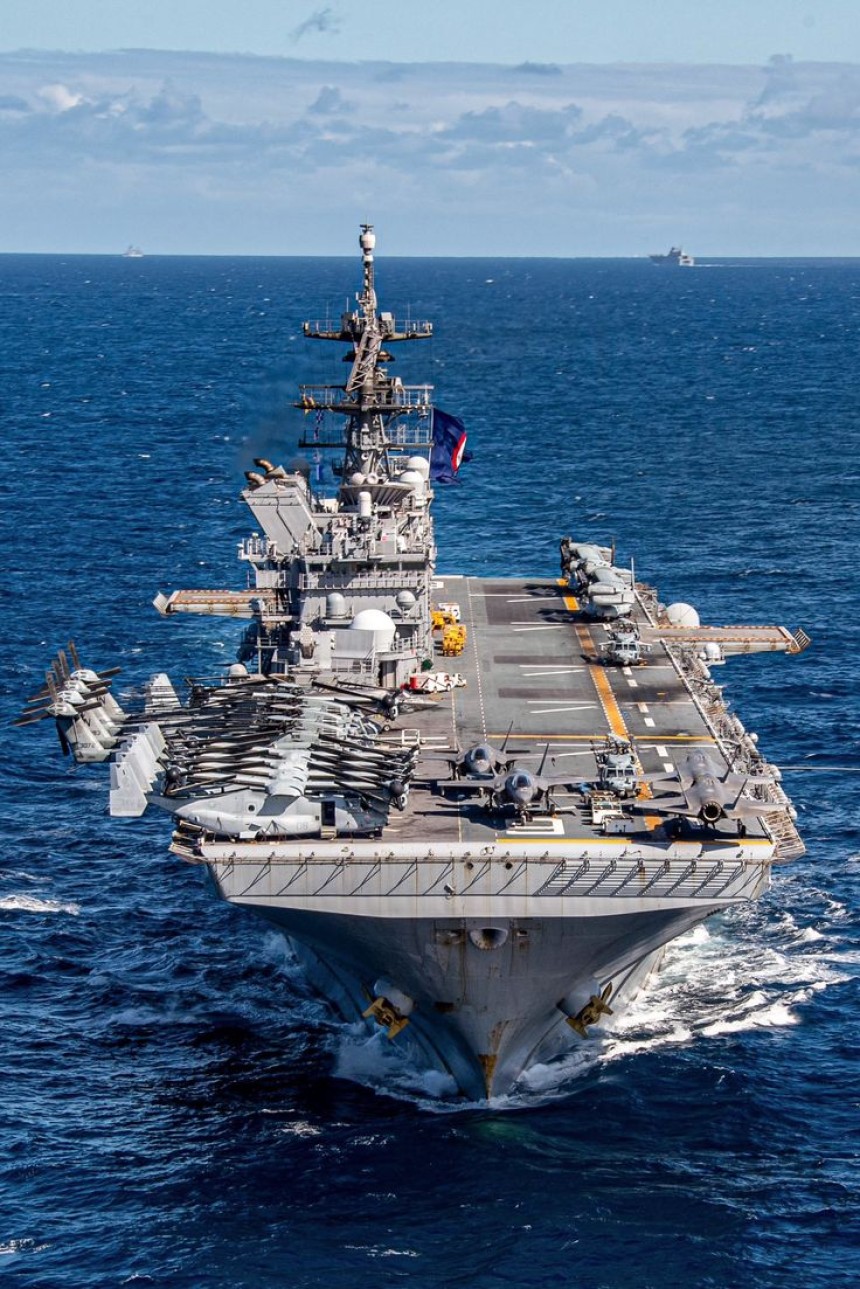

the shift modern warfare
For centuries, warfare has followed familiar patterns—large armies clashing on open fields, fleets controlling seas, and air power dominating skies. But the 21st century marks a radical departure. The shift in modern warfare is not just about new weapons but about redefining the very concept of conflict. The battleground is no longer confined to physical terrain—it has expanded into cyberspace, outer space, and even the realm of information and perception. The digital revolution has blurred the lines between peace and war. Cyberattacks can cripple power grids, steal sensitive defense data, or disrupt financial markets without firing a single shot. This silent battlefield forces militaries to invest in cyber defense, encryption, and AI-driven threat detection, making cyber warriors as vital as frontline soldiers. Technology as the Game-Changer At the heart of this transformation is technology. Nations are racing to integrate artificial intelligence (AI), machine learning, drones, and robotics into their defense strategies. For instance: AI & Autonomous Systems: AI-powered drones can conduct surveillance, strike targets, and adapt mid-mission without human intervention. This reduces risks for soldiers while increasing efficiency. Robotics & Exoskeletons: Soldiers may soon rely on powered exoskeletons that enhance endurance, strength, and mobility, revolutionizing infantry operations. Hypersonic Missiles: Capable of traveling at speeds over Mach 5, these weapons drastically reduce response times, challenging traditional missile defense systems. These advances show that the shift in modern warfare is not just about firepower but about speed, precision, and adaptability. Hybrid Warfare: The Blurred Frontlines Modern conflicts rarely follow conventional patterns. Instead, nations employ hybrid warfare—a blend of traditional military force, irregular tactics, cyber operations, disinformation campaigns, and economic pressure. For example, misinformation spread on social media can destabilize public trust, sway elections, or weaken alliances without firing a bullet. Armed with digital platforms, states and non-state actors alike can project influence across borders, creating uncertainty and confusion in rival nations. This means the battlefield is now everywhere—on screens, in banks, within supply chains, and in the minds of ordinary citizens. The Human Element in a Tech-Driven War Despite technological leaps, human decision-making remains central. Ethical dilemmas loom large: Should autonomous weapons be allowed to decide life and death? Can nations maintain accountability in AI-driven combat? Moreover, the psychological toll of modern warfare is immense. Constant connectivity and exposure to disinformation fuel mental fatigue and societal division. Thus, the soldiers of tomorrow need resilience not only on the battlefield but also against invisible, psychological threats. Global Power Shifts and Security Challenges As great powers compete, smaller nations adapt to survive. Alliances such as NATO are strengthening their cyber and space defense strategies, while countries in Asia and the Middle East are investing in drone fleets and digital warfare capabilities. This global arms race is not only about weapons but also about control over data, communication networks, and space infrastructure. Satellites, once tools of exploration, are now strategic assets. Losing them could mean losing a war before it begins. Preparing for the Future To navigate the shift in modern warfare, nations must rethink defense strategies on multiple fronts: Cybersecurity First: Strengthening defenses against hacking, espionage, and digital sabotage. Ethical Frameworks: Developing global agreements on AI and autonomous weapons use. Adaptive Training: Equipping soldiers with both technological and psychological resilience. Allied Cooperation: Building coalitions to counter global threats collectively. The future of warfare may not be about large-scale invasions but about who controls information, technology, and trust. Conclusion The shift in modern warfare reflects a world where boundaries are blurred, technology is paramount, and the definition of security is constantly evolving. Success in this new era will not depend solely on firepower but on innovation, adaptability, and ethical foresight. War has always been a reflection of humanity’s greatest strengths and flaws. As the 21st century progresses, the challenge is to ensure that technological progress serves as a shield, not a sword, preserving peace while preparing for inevitable conflicts. Visit Us:https://ttimesoftruth.com/the-shift-modern-warfare-changing-naval-operations/
Pourquoi les Joueurs Préfèrent Aujourd’hui le Casino en Ligne
Pourquoi les Joueurs Préfèrent Aujourd’hui le Casino en Ligne