
the shift modern warfare
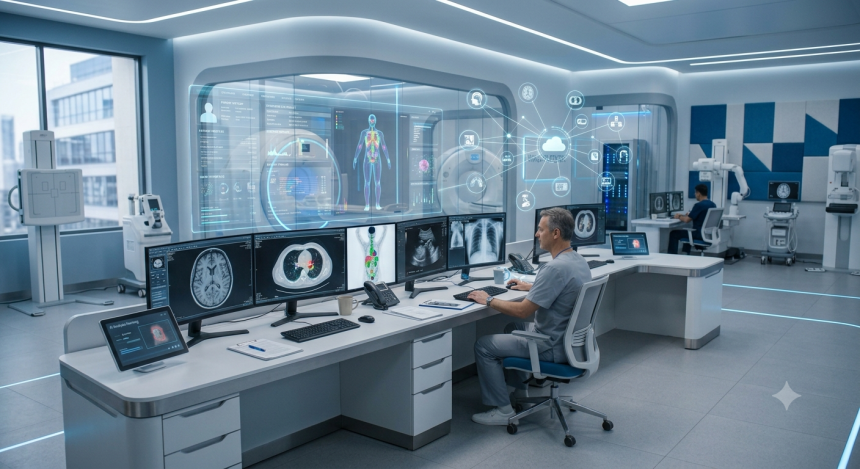
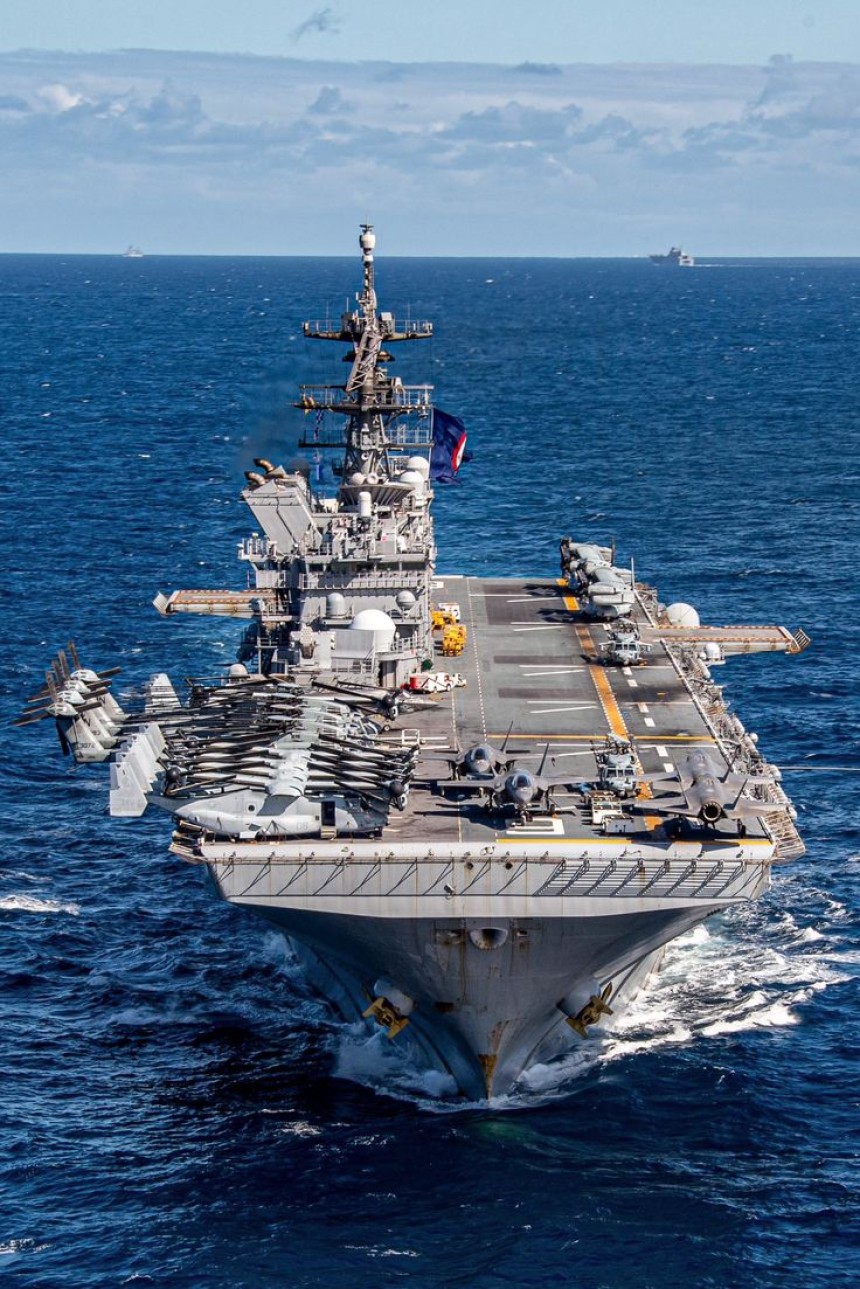
War, once defined by trenches, tanks, and sheer manpower, has evolved into a multidimensional conflict fought as much in cyberspace as on physical terrain. The shift in modern warfare is no longer limited to traditional weapons and armies—it is driven by information, technology, and strategy. Nations and militaries worldwide are adapting to innovations that not only expand combat possibilities but also challenge ethical and legal norms. Modern warfare now unfolds across five domains: land, sea, air, space, and cyberspace. This convergence has blurred the lines between peace and war, state and non-state actors, and even offense and defense. Technology as the New Arsenal The digital revolution has redefined the tools of war. Artificial intelligence, machine learning, and autonomous systems now serve as key assets for defense operations. For instance, AI-driven surveillance systems analyze satellite data in real time, while unmanned aerial vehicles (UAVs), or drones, carry out precision strikes without risking human lives. Cyber capabilities have also become essential. A single cyberattack can shut down power grids, cripple financial systems, or leak classified intelligence, causing damage without a single bullet fired. Unlike conventional combat, these attacks are silent, fast, and difficult to attribute, making deterrence and retaliation even more complex. Hybrid Warfare: Blending Old and New Tactics Perhaps the most significant aspect of the shift in modern warfare is the rise of hybrid strategies. Instead of relying solely on conventional combat, adversaries now combine multiple tactics—disinformation campaigns, economic coercion, proxy militias, and cyber intrusions—to weaken opponents. Russia’s involvement in Crimea and Ukraine demonstrated how propaganda, cyber tools, and irregular forces could destabilize a nation before formal military engagement. Similarly, extremist groups have mastered the use of social media as a weapon, spreading ideology and recruiting globally without borders. The Human Element: Soldiers in the Digital Era Even with automation and high-tech weaponry, the role of human soldiers remains crucial. However, their roles have shifted dramatically. Today’s soldiers must be as skilled with computers and data analysis as they are with rifles and strategy. Training programs now integrate cyber defense drills, drone piloting, and digital communication security into traditional combat education. Mental resilience has also become a major focus. With battles increasingly fought in invisible digital arenas, psychological operations (psy-ops) and disinformation campaigns can demoralize populations and even troops, making psychological resilience as important as physical endurance. Ethical Dilemmas and Global Security Risks The shift in modern warfare also introduces profound ethical challenges. Who is accountable if an autonomous drone misfires and causes civilian casualties? How do international laws regulate cyberattacks that may come from anonymous actors? Additionally, the proliferation of advanced weaponry—once limited to powerful states—has become more accessible. Terrorist organizations and rogue states now have access to commercial drones, encrypted communications, and even black-market cyber tools, raising global security risks. The blurred line between military and civilian targets is another pressing concern. For instance, a cyberattack on a hospital’s power system or a financial institution not only disrupts services but also endangers innocent lives. The Future: Toward Smart and Preventive Warfare Looking ahead, the trajectory of modern warfare is moving toward greater reliance on artificial intelligence, predictive analytics, and space-based systems. Satellites are no longer just tools for navigation but also surveillance, missile defense, and global communication. Future conflicts may prioritize deterrence through advanced technology rather than brute force. For instance, countries investing heavily in cyber defense, quantum computing, and AI may prevent conflicts altogether by signaling technological superiority. Moreover, international cooperation and treaties will be vital. Just as nuclear arms agreements sought to prevent escalation in the past, new frameworks must address cyber norms, AI ethics, and autonomous weapon regulations to ensure global stability. Conclusion: Adapting to the New Reality The shift in modern warfare is undeniable. No longer confined to battlefields, wars are now fought in boardrooms, on computer servers, and across social media platforms. This transformation requires governments, militaries, and civilians alike to rethink security strategies. In this new era, resilience, adaptability, and technological innovation are as critical as tanks and missiles once were. The nations that can harness cutting-edge tools while upholding ethical and strategic balance will be the ones best positioned to thrive in the uncertain security landscape of tomorrow. Visit Us:https://ttimesoftruth.com/the-shift-modern-warfare-changing-naval-operations/
Pourquoi les Joueurs Préfèrent Aujourd’hui le Casino en Ligne
Pourquoi les Joueurs Préfèrent Aujourd’hui le Casino en Ligne