
Streetwear Layering Ideas for Cold Weather
streetwear-layering-ideas-for-cold-weather
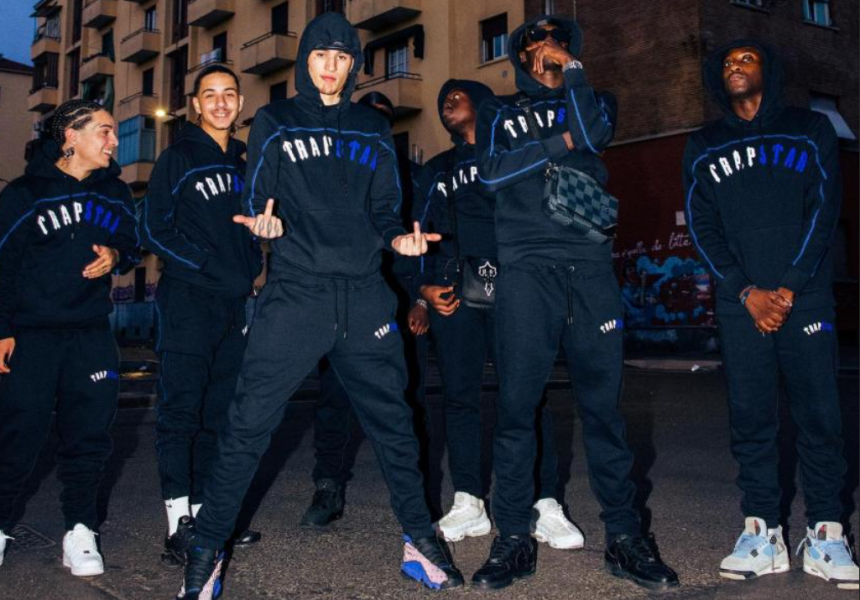
Cold weather gives streetwear outfits more opportunities to combine different textures, silhouettes, and layers without making the look feel overly complicated. Trapstar can work as the main statement layer while simple T-shirts, hoodies, cargos, denim, and practical jackets provide warmth and balance. Black, grey, cream, beige, olive, and dark denim are particularly useful because they can be layered together without requiring exact color matching. A hoodie underneath a lightweight jacket can create a relaxed everyday look, while a heavier outer layer can provide additional protection when temperatures drop. The key is to build layers gradually and make sure each piece has a clear purpose. Too many bulky layers can restrict movement and make the silhouette look crowded, so focus on warmth, proportion, and visual balance at the same time.
Start With a Base LayerThe base layer sits closest to the body and should provide comfort without adding unnecessary bulk. Plain cotton T-shirts, lightweight long-sleeve shirts, and thermal tops can work well underneath heavier streetwear pieces.
Black, white, grey, and cream are useful choices because they can support almost any outer layer. A small section of the base layer can remain visible around the neckline or hem, adding another subtle color break.
Choose breathable materials when possible, especially if you expect to move between cold outdoor conditions and heated indoor spaces.
Add a Hoodie for WarmthA hoodie is one of the easiest middle layers for cold-weather streetwear. It adds warmth while also creating the relaxed silhouette associated with casual streetwear.
A black or charcoal hoodie can work beneath a denim jacket, bomber, utility jacket, or lightweight puffer. If the hoodie is oversized, make sure the outer jacket has enough room through the shoulders and sleeves.
Avoid combining an extremely oversized hoodie with a very narrow jacket because the layers can bunch together and restrict movement.
Layer Graphic Pieces CarefullyGraphic hoodies and T-shirts can provide visual interest during winter, but layering several graphics together can make an outfit look crowded.
If the hoodie has a large graphic, keep the base layer and outer jacket relatively simple. This allows the graphic to remain visible without competing with another large design.
The same principle applies when using printed T-shirts underneath an open jacket. One noticeable graphic is usually enough to establish the focal point.
Use Denim Jackets for Moderate ColdA denim jacket can work as a middle or outer layer during milder cold weather. Dark or washed denim can add texture without introducing a complicated color.
Layer a denim jacket over a hoodie when there is enough room through the shoulders. For a cleaner appearance, pair the combination with black cargos or straight-leg trousers.
If both the hoodie and denim jacket are oversized, use a more controlled trouser silhouette to maintain definition.
Add Puffer Jackets for Colder DaysPuffer jackets provide additional insulation while also creating a strong streetwear silhouette. Black, charcoal, olive, and muted neutral colors are particularly versatile.
Because puffers already have substantial volume, the layers underneath should be chosen carefully. A hoodie can work, but extremely thick sweatshirts underneath a large puffer may become uncomfortable.
Pair a larger puffer with straight-leg or moderately wide trousers to balance the upper volume.
Try Utility JacketsUtility jackets can add structure, pockets, and muted color to winter outfits. Olive, black, charcoal, and beige are easy choices for a neutral streetwear wardrobe.
A utility jacket can be worn over a plain hoodie or sweatshirt. If the jacket has many pockets, straps, or hardware, keep the other layers relatively simple.
This prevents the outfit from becoming visually overloaded while still giving it a practical appearance.
Mix Black and Grey LayersBlack and grey are particularly useful for building darker winter outfits. A black hoodie under a charcoal jacket can create tonal contrast without introducing bright colors.
You can also add light-grey details through a T-shirt, beanie, or sneakers. Slight differences in shade and texture prevent the outfit from looking flat.
Fleece, cotton, denim, and nylon can all contribute different visual surfaces even when the palette remains mostly dark.
Add Beige and Cream for ContrastLighter neutral pieces can break up a darker winter outfit. Beige cargos, cream sneakers, or a light-grey T-shirt can create small areas of contrast against black and charcoal layers.
Avoid using too many light pieces if the goal is a darker streetwear appearance. One lighter layer or accessory may be enough to create the necessary visual separation.
Cream and white clothing can also require more maintenance during wet or muddy winter conditions.
Balance Layer ThicknessLayering works best when each garment has a different role. A thin T-shirt can sit underneath a medium-weight hoodie, followed by a practical jacket.
If every layer is thick, the outfit can become restrictive and uncomfortable. Consider fabric weight before adding another piece.
The order of the layers should also make sense. Lightweight materials generally work closer to the body, while thicker and more protective fabrics belong toward the outside.
Choose Trousers That Work With LayersThe increased volume of winter layers can make trouser selection more important. Straight-leg, relaxed, and moderately wide trousers can balance heavier jackets and hoodies.
Black cargos are a practical choice because they work with many colors and can accommodate thicker winter footwear. Dark denim provides another option when you want a slightly cleaner appearance.
Avoid extremely narrow trousers with very bulky upper layers unless you intentionally want a strong contrast between the top and bottom.
Select Winter-Friendly Sneakers and FootwearFootwear should complement the weight of the winter outfit. Chunkier sneakers can work well with wide cargos and heavier jackets, while simpler shoes can create a cleaner silhouette.
Black footwear can maintain a darker appearance, while cream or grey sneakers can introduce controlled contrast. Consider weather conditions as well because wet or muddy environments can make lighter footwear harder to maintain.
The trouser hem should also sit naturally over the footwear rather than bunching excessively.
Add Beanies, Caps, and BagsAccessories can provide both function and visual structure during colder weather. Beanies can add warmth, while crossbody bags can provide practical storage without requiring another bulky layer.
Black, grey, olive, and beige accessories are easy to combine with winter streetwear. If the outfit already contains several layers and a large graphic, keep accessories relatively understated.
A single beanie or bag may be enough to complete the look.
Use Texture to Create DepthCold-weather outfits naturally provide more opportunities to combine different materials. Fleece, denim, wool, nylon, cotton, canvas, and quilted fabrics can create contrast even when the colors remain similar.
A fleece hoodie under a nylon jacket can look more detailed than two smooth cotton layers. Denim trousers can then provide another distinct texture below.
Texture allows you to create visual interest without constantly introducing additional colors.
Build Around the Main StatementWhen planning a layered outfit, choose the strongest piece first and build the remaining layers around it. Consider whether the statement garment is a hoodie, jacket, graphic T-shirt, or footwear.
For example, a hellstar graphic hoodie can be layered under a simple black or olive jacket, then paired with dark denim or neutral cargos and understated sneakers. The outer layer adds warmth while allowing the graphic to remain visible without competing with another statement design.
Create Simple Cold-Weather FormulasA few repeatable formulas can make winter dressing easier. Try a plain T-shirt, black graphic hoodie, beige cargos, and cream sneakers under a lightweight jacket.
Another option is a grey sweatshirt, dark denim, olive utility jacket, and black footwear. For colder conditions, add a black puffer over a hoodie and relaxed trousers.
You can also change only the outer layer while keeping the same base outfit, creating several different looks without buying additional basics.
Avoid Excessive LayeringMore layers do not automatically create a better winter outfit. Too many garments can make movement difficult and obscure the shape of each individual piece.
If you already have a thick hoodie and heavy jacket, you may not need another substantial sweatshirt underneath. Remove unnecessary layers when the outfit begins to feel bulky.
The goal is to stay warm while maintaining enough structure for the outfit to remain visually clear.
Final WordsCold-weather streetwear works best when layering is treated as both a practical and visual exercise. Start with a comfortable base, add a hoodie or sweatshirt, and finish with an outer layer that provides the necessary protection. Use neutral colors, varied textures, balanced proportions, and simple accessories to keep the outfit controlled. hellstar graphics can become a strong middle-layer focal point when surrounded by simple jackets, cargos, denim, and neutral footwear. Pay attention to fabric thickness and silhouette because excessive layering can quickly become uncomfortable. Light colors may also require more maintenance during wet weather, while oversized winter pieces can restrict movement when combined incorrectly. When every layer has a purpose and the proportions remain balanced, hellstar pieces can fit naturally into a practical cold-weather streetwear rotation.
FAQs1. What should I wear under a streetwear hoodie in cold weather?
A lightweight T-shirt, long-sleeve shirt, or thermal layer can provide an additional base without adding excessive bulk.
2. Can I wear a hoodie under a puffer jacket?
Yes. Make sure the puffer has enough room for the hoodie and avoid stacking too many thick layers underneath.
3. What colors work best for winter streetwear?
Black, grey, beige, cream, olive, and dark denim are versatile choices for layered cold-weather outfits.
4. How many layers should I wear?
There is no fixed number. Use enough layers for the weather while avoiding unnecessary bulk that restricts movement.
5. How can I keep layered streetwear from looking too bulky?
Balance a thick upper layer with controlled trousers, avoid excessive fabric underneath jackets, and use different textures instead of constantly adding more garments.



Explore Creative Kitchen Cabinets Design Ideas for Your Home
A well-planned kitchen cabinets design can transform the appearance and functionality of y...