
Sprint Project Management: How Modern Teams Use Sprints to Improve Delivery and Execution
As project environments become more complex, organizations are increasingly looking for connected systems that bring sprint execution, resource management, reporting, and financial visibility together in one place.
Projects rarely fall apart overnight. More often, deadlines slip gradually, priorities become unclear, tasks pile up, and teams lose visibility into what actually matters. By the time leadership notices the problem, delivery timelines are already at risk.
This is one of the biggest reasons organizations adopt sprint project management. Instead of managing work through long, rigid timelines, teams break projects into short, focused execution cycles called sprints. These structured cycles help teams move faster, improve visibility, and adapt to changing priorities without losing control of delivery.
Today, sprint-based workflows are no longer limited to software development teams. Marketing departments, operations teams, product organizations, and even finance departments are using sprint management principles to improve collaboration and execution.
In this guide, we’ll explore what sprint project management actually means, how sprint management works, the common mistakes teams make, and how organizations can build more predictable delivery systems using sprint-based workflows.
What Is Sprint Project Management?
Sprint project management is a structured approach where projects are divided into short, time-boxed work cycles known as sprints.
A sprint usually lasts:
- 1 week
- 2 weeks
- or sometimes 4 weeks depending on the team and project complexity.
Instead of planning every detail months in advance, teams focus only on a manageable set of work during each sprint cycle.
At the end of every sprint, the team reviews:
- What was completed
- What was delayed
- What blockers appeared
- What improvements should happen next
This continuous cycle of planning, execution, review, and optimization helps teams improve gradually while maintaining delivery momentum.
Why Sprint Management Has Become Essential
Modern projects move quickly. Priorities change constantly. Teams collaborate across multiple departments, locations, and tools.
Traditional project management methods often struggle in these environments because they rely heavily on long-term fixed planning.
Sprint management solves this by introducing:
- Short execution cycles
- Frequent progress reviews
- Continuous feedback loops
- Faster adaptation to change
- Better operational visibility
Instead of discovering problems months later, sprint-based teams identify issues early while there is still time to adjust.
For IT teams especially, this flexibility is critical because projects often involve:
- Evolving requirements
- Technical dependencies
- Resource constraints
- Frequent stakeholder changes
- Continuous releases and updates
Sprint project management creates structure without sacrificing adaptability.
The Core Structure of Sprint Project Management
Although different teams customize sprint workflows differently, most sprint management systems follow a similar structure.
1. Sprint Planning
Every sprint begins with planning.
During this stage, teams:
- Review priorities
- Select tasks from the backlog
- Estimate effort required
- Assign responsibilities
- Define sprint goals
The key objective is not to overload the sprint. Effective sprint planning focuses on realistic delivery capacity rather than optimistic assumptions.
2. Sprint Execution
Once the sprint starts, the team focuses only on the committed work.
This phase typically includes:
- Daily collaboration
- Task tracking
- Progress monitoring
- Problem resolution
- Resource coordination
The goal is to maintain steady execution without constant disruptions or shifting priorities.
3. Daily Standups
Daily standups are short meetings designed to maintain visibility across the team.
Most standups focus on three simple questions:
- What was completed yesterday?
- What is being worked on today?
- Are there any blockers?
These meetings are meant to improve alignment—not create unnecessary reporting overhead.
4. Sprint Review
At the end of the sprint, teams review completed work.
This helps stakeholders understand:
- What was delivered
- What remains incomplete
- Whether sprint goals were achieved
- What adjustments may be needed next
Sprint reviews improve transparency and reduce surprises during larger project milestones.
5. Sprint Retrospective
The retrospective focuses on improving the process itself.
Teams discuss:
- What worked well
- What caused delays
- Which workflows created friction
- How future sprints can improve
Organizations that consistently improve sprint execution usually take retrospectives seriously rather than treating them as optional meetings.
Benefits of Sprint Project Management
Sprint management provides several operational advantages for modern organizations.
Faster Delivery Cycles
Breaking projects into smaller execution windows helps teams deliver progress continuously instead of waiting months for large releases.
This improves:
- Stakeholder confidence
- Product iteration speed
- Operational flexibility
Better Visibility
Sprint workflows provide clearer insight into:
- Task status
- Resource allocation
- Delivery progress
- Workload distribution
Managers can identify bottlenecks much earlier compared to traditional project tracking methods.
Improved Team Focus
Because teams commit only to sprint-specific work, distractions and context switching are reduced significantly.
This creates:
- Better concentration
- Higher productivity
- More predictable execution
Greater Adaptability
Business priorities change frequently.
Sprint management allows organizations to adjust direction between sprint cycles without disrupting the entire project structure.
Every sprint has:
- Defined goals
- Assigned ownership
- Measurable outcomes
This creates stronger accountability across teams without excessive micromanagement.
Even though sprint project management is highly effective, many organizations struggle because they implement the process incorrectly.
This is one of the most common problems.
Teams often commit to more work than realistic capacity allows, leading to:
- Burnout
- Incomplete tasks
- Quality issues
- Missed sprint goals
Good sprint management prioritizes sustainable execution rather than maximum workload.
Sprint planning should account for:
- Team availability
- Meetings
- Holidays
- Existing commitments
- Skill limitations
Ignoring these realities creates unrealistic sprint expectations.
If the backlog lacks structure, teams waste time deciding what matters during active sprints.
Strong backlog management ensures priorities remain clear before sprint execution begins.
Daily standups should improve collaboration not become lengthy reporting sessions for managers.
The purpose is alignment and blocker resolution, not micromanagement.
Teams that skip retrospectives often repeat the same delivery problems sprint after sprint.
Continuous improvement is one of the biggest strengths of sprint management.
Effective sprint project management relies heavily on measurable performance indicators.
Measures how much work the team completes during each sprint.
Velocity helps improve future planning accuracy.
These charts show remaining work versus remaining sprint time.
They help teams detect delivery risks early.
Measures how long tasks take from start to completion.
Long cycle times often indicate workflow bottlenecks.
Tracks how often teams fully achieve sprint objectives.
Consistently low completion rates may indicate planning issues.
Helps managers understand whether workloads are balanced across the team.
Modern sprint management relies heavily on digital tools for coordination and visibility.
The best platforms provide:
- Sprint planning boards
- Task tracking dashboards
- Resource management
- Real-time reporting
- Collaboration tools
- Workflow automation
- Financial visibility
Organizations increasingly want sprint management connected directly with operational and financial data rather than isolated task boards.
This allows leadership to understand:
- Delivery progress
- Resource efficiency
- Budget impact
- Operational performance
all from a unified system.
Sprint workflows continue evolving as organizations demand more operational intelligence and flexibility.
Several trends are shaping the future:
AI tools are beginning to predict sprint delays, workload risks, and delivery bottlenecks before they happen.
Businesses are moving toward systems that combine sprint tracking, collaboration, reporting, and financial visibility into one platform.
Leadership increasingly expects live operational visibility instead of static reports.
Sprint management is expanding beyond software development into marketing, operations, finance, and HR teams.
Sprint project management has become one of the most effective ways for modern teams to improve execution, maintain visibility, and adapt quickly in fast-moving environments.
By breaking projects into focused delivery cycles, sprint management helps organizations reduce operational chaos, improve accountability, and create more predictable outcomes.
The teams that succeed with sprint workflows are usually the ones that prioritize realistic planning, continuous improvement, and clear visibility into both operational and resource performance.
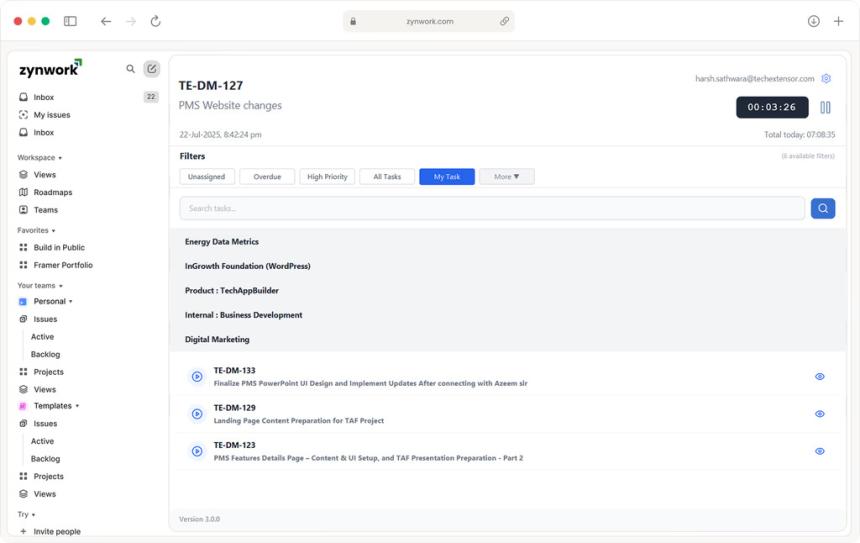
As project environments become more complex, organizations are increasingly looking for connected systems that bring sprint execution, resource management, reporting, and financial visibility together in one place. Platforms like Zynwork reflect this shift by helping teams manage execution workflows with greater operational clarity and real-time insight.
Ultimately, successful sprint management is not just about moving faster it’s about creating a repeatable system for delivering meaningful outcomes consistently.




Norway vs England Tickets: Norway Eyes England Despite FIFA World Cup...

Finding the Right Addiction Treatment Centre in India: Why Choose Life...
Choosing the right addiction treatment centre is one of the most important decisions for a...
Laser 247: Features, Benefits, and User Experience
Explore Laser 247 features, benefits, and user experience to understand its interface, acc...