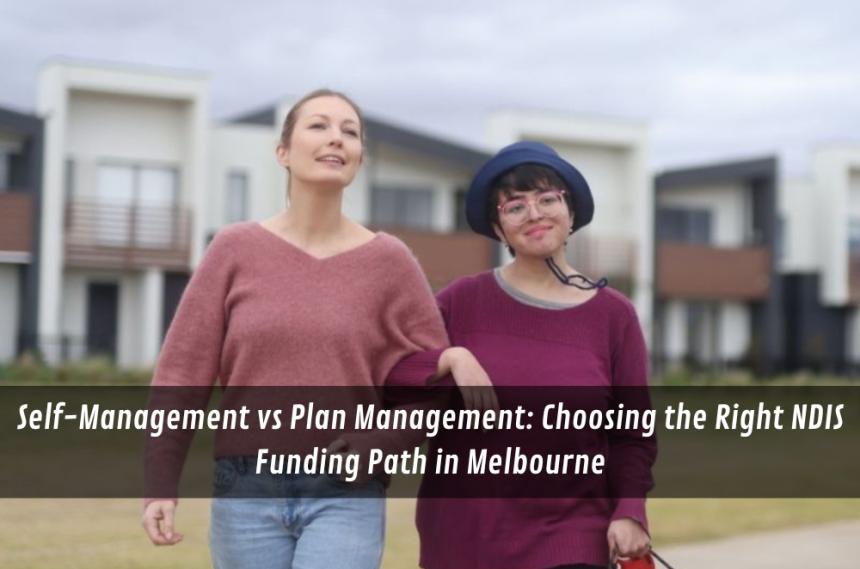

Self-Management vs Plan Management: Choosing the Right NDIS Funding Path in Melbourne
Unsure whether to self-manage your NDIS funds or use a plan manager? This practical Melbourne-focused guide explains the pros, cons and key questions to help you decide with confidence.
Navigating the National Disability Insurance Scheme (NDIS) already involves a steep learning curve; deciding how your funds are handled can feel like one more hurdle. Whether you are preparing for your first plan or looking to make a change, understanding the differences between self-management and plan management is essential. The right choice affects everything from day-to-day record-keeping to the range of services you can access across Melbourne. This guide also explores supportive disability assistance options available under each approach, helping you choose the arrangement that best aligns with your goals, lifestyle and support needs.
Why Your Choice of Funding Management MattersFunding management is more than a paperwork preference—it shapes your control, flexibility and administrative load for the entire plan period. According to official NDIS plan management guidance, the option you nominate will determine:
- Who receives and pays invoices
- How quickly services can start
- The level of evidence you must keep for audits
- Which providers you may engage (registered only, or registered and unregistered)
Making an informed decision early can save headaches later, especially if you need a smoother on-ramp to services or greater freedom to explore emerging supports in Melbourne’s fast-growing disability sector.
Self-Management in a NutshellSelf-management means you—or a nominated representative—handle all financial aspects of your plan. You pay providers directly, claim reimbursements through the NDIS portal, and keep evidence of spending for up to five years.
Benefits- Maximum Choice and Control
- Engage both registered and unregistered providers, negotiate rates and tailor supports to your personal goals.
- Real-Time Spending Visibility
- Because you oversee every invoice, you know exactly how much funding remains in each support category.
- Opportunity to Build Skills
- Many participants find that budgeting, negotiating and record-keeping skills developed through self-management translate to wider life confidence.
- Admin Burden – Collecting invoices, entering claims and reconciling statements can be time-consuming.
- Cash Flow – You may need to pay upfront and wait for reimbursement.
- Audit Readiness – Detailed evidence and receipts must be stored, and any errors sit with you.
Plan management involves appointing a registered plan manager who pays providers, claims from the NDIS, and sends you monthly spending statements. The NDIS adds dedicated funding for plan-management fees, so choosing this option will not reduce other budgets.
Benefits- Reduced Paperwork
- The plan manager handles claims, record-keeping and provider payments.
- Access to a Wider Provider Pool
- Like self-management, plan management allows use of both registered and unregistered providers—unlike NDIA (agency) management, which restricts you to registered providers only.
- Financial Guidance
- Good plan managers flag underspending or overspending trends early, helping you avoid service interruptions.
- Less Immediate Oversight – You rely on someone else’s reports, so day-to-day visibility can be slightly delayed.
- Provider Relationships Mediated – Invoices and queries often pass through the manager first.
- Quality Varies – Not all plan managers communicate equally well; research and references matter.
Below is a quick comparison to help visual thinkers weigh their options:
FactorSelf-ManagementPlan ManagementWho Pays ProvidersParticipant (reimbursed later)Plan manager direct to providerProvider ChoiceRegistered and unregisteredRegistered and unregisteredAdmin WorkloadHigh – invoices, claims, recordsLow – handled by managerBudget VisibilityReal-timeMonthly statementsSkills RequiredBook-keeping, portal useLess technical; manager coversExtra NDIS FundingNoYes – plan-management fees coveredAudit ResponsibilityParticipantShared with managerA table summary is useful, but remember every participant’s situation is unique—your goals, time capacity and support network all influence the best fit.
5 Questions to Help Melbourne Participants DecideBefore landing on a funding pathway, ask yourself:
- How comfortable am I with online portals and spreadsheets?
- If logging into the myplace portal weekly sounds fine, self-management may suit.
- Do I have time to chase invoices?
- Busy work or study schedules might steer you toward plan management.
- How important is immediate budget visibility?
- Self-management provides real-time tracking, whereas plan-management reports often arrive monthly.
- Would I benefit from professional financial guidance?
- A reliable plan manager can alert you to underspending—vital in large, complex plans.
- Am I still comparing providers?
- If you are early in the selection journey, you might find this building your shortlist of registered providers article useful for extra context before deciding on a management mode.
Regardless of which option you choose, having a clear directory of supports, therapists and community programs makes implementation smoother. For many participants, starting with trusted disability service resources helps confirm provider credentials, service coverage and cultural alignment before any invoices are issued.
Final ThoughtsThe decision between self-management and plan management is less about “right or wrong” and more about aligning daily realities with personal goals. Reviewing the workload you can realistically carry, the level of control you want, and the professional guidance you might value will point you toward the best path. If circumstances change, remember you can request a variation at your next plan review—flexibility is built into the NDIS for a reason.
Buy Moissanite Rings Online for Meaningful Style and Lasting Sparkle
Choosing a ring is a personal decision. Whether it marks an engagement, anniversary, weddi...


Why Is Dubai Yacht Experience Drawing So Much Attention?
Quick Answer: Why Is Everyone Talking About Dubai Yacht Experiences?

خدمات فني صحي الخيران للمنازل والفلل
إذا كنت تبحث عن الجودة والاحترافية والسرعة في تنفيذ أعمال السباكة، فإن الاستعانة بـ فني صح...

