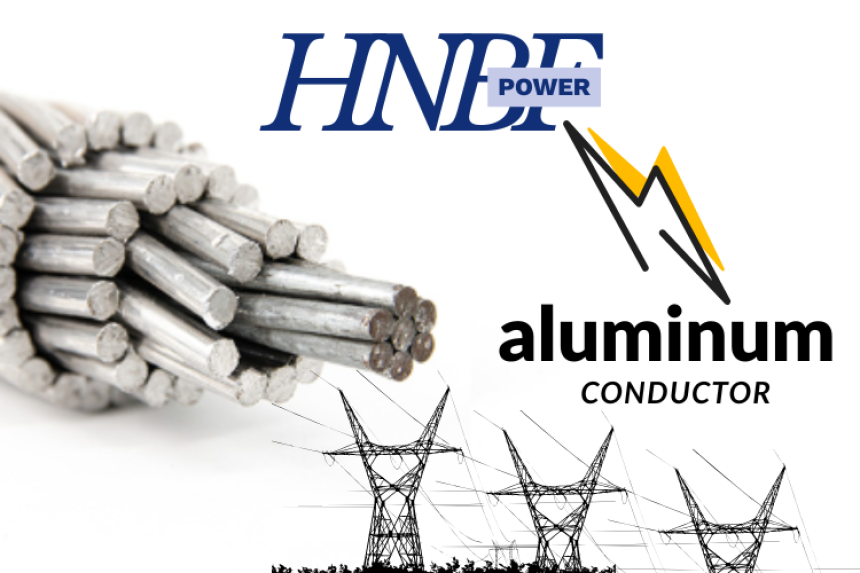

Role of Aluminum Conductors in Power Supply and Transmission Systems
At HNBFpower, we specialize in manufacturing high-quality aluminum conductors designed to meet the demands of global power infrastructure and utility networks.
In every modern power system, conductors play a crucial role in transmitting electrical energy efficiently and safely. Among all types of conductors, aluminum conductors stand out for their excellent balance of performance, cost-effectiveness, and durability. At HNBFpower, we specialize in manufacturing high-quality aluminum conductors designed to meet the demands of global power infrastructure and utility networks.
Aluminum conductors serve as the medium through which electrical current travels from power plants to substations and finally to homes and industries. They are essential for both overhead and underground transmission systems, ensuring uninterrupted flow of electricity across long distances.
Compared to other metals, aluminum offers superior conductivity-to-weight ratio, which makes it ideal for large-scale energy distribution. It reduces overall line sag and helps maintain mechanical strength even under high tension, ensuring stability and safety in the network.
At HNBFpower, aluminum conductors are manufactured with precision engineering to ensure maximum efficiency. Common types include AAC (All Aluminum Conductor), AAAC (All Aluminum Alloy Conductor), and ACSR (Aluminum Conductor Steel Reinforced).
Key Specifications:
- Material: 99.7% pure electrical-grade aluminum
- Conductivity: Approximately 61% of copper
- Temperature Range: Up to 90°C continuous operation
- Tensile Strength: Enhanced with steel reinforcement in ACSR type
- Corrosion Resistance: High protection against oxidation and environmental wear
These properties make aluminum conductors a preferred choice for transmission lines, distribution networks, and renewable energy installations.
- Lightweight and Flexible:
- Aluminum’s light density reduces the load on transmission towers and eases installation and maintenance.
- High Conductivity:
- Despite being lighter, aluminum offers excellent electrical conductivity, making it an energy-efficient material.
- Corrosion Resistance:
- The natural oxide layer on aluminum prevents corrosion, ensuring long service life even in coastal or industrial areas.
- Mechanical Strength:
- When reinforced with steel (as in ACSR conductors), it provides superior strength-to-weight ratio for long-distance lines.
- Thermal Stability:
- Aluminum can withstand wide temperature ranges, ensuring consistent performance in varying weather conditions.
- Cost-Effective Alternative:
- Aluminum is significantly cheaper than copper, reducing overall project costs.
- Ease of Handling and Installation:
- Its lightweight nature allows for easier transport and setup, minimizing labor and equipment expenses.
- Durability and Long Life:
- Excellent resistance to environmental damage leads to lower maintenance and longer operational life.
- Efficient Power Transmission:
- With proper design, aluminum conductors deliver reliable energy with minimal losses.
- Sustainability:
- Aluminum is 100% recyclable, aligning with the growing global focus on eco-friendly power infrastructure.
When purchasing aluminum conductors, consider the following key factors to ensure optimal performance:
- Voltage Level and Line Length:
- Choose the right conductor type based on the transmission voltage and distance.
- Environmental Conditions:
- Select corrosion-resistant conductors if used in coastal or high-humidity areas.
- Mechanical Strength Requirements:
- For long-span installations, ACSR or AAAC conductors are ideal due to their reinforced strength.
- Quality Standards:
- Always opt for conductors that meet international standards (ASTM, IEC, BS, or DIN) to ensure reliability.
- Supplier Reputation:
- Partner with a trusted manufacturer like HNBFpower, known for premium-quality aluminum conductors that ensure consistent performance, safety, and durability.
The efficiency of any power supply system largely depends on the quality and performance of its conductors. Aluminum conductors, with their superior characteristics and cost benefits, have become the backbone of modern transmission networks.
At HNBFpower, we are committed to delivering top-grade aluminum conductors that empower stable, efficient, and sustainable energy transmission worldwide. Whether for large-scale utility projects or industrial applications, our conductors are engineered to perform and built to last.





The Complete Guide to Emergency Light Testing for London Businesses
Emergency light testing in London for offices and commercial premises. Monthly and annual...


How Omnichannel Pharma Engagement Connects to Pharma Supply Chain Stra...
