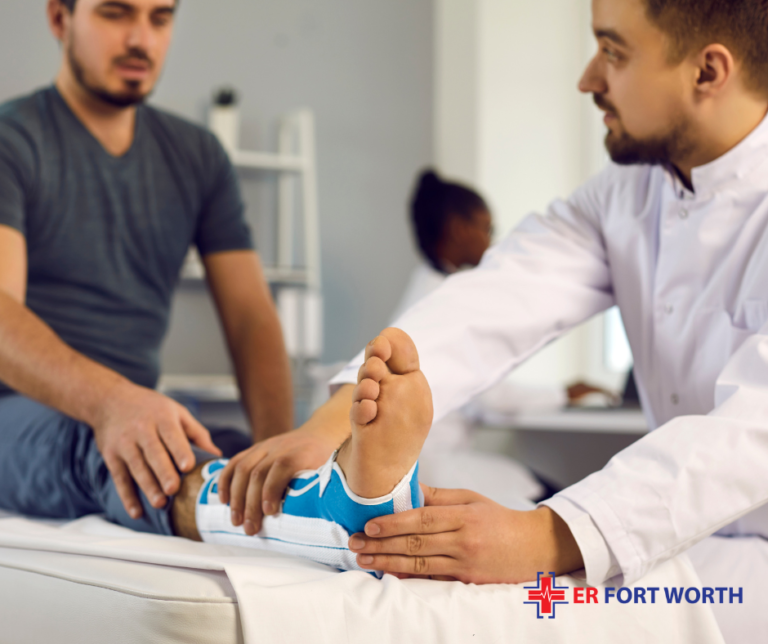

An orthopedic emergency can happen unexpectedly due to accidents, falls, sports injuries, or sudden pain in the bones and joints. These injuries may affect a person's ability to walk, move, stand, or perform everyday activities. Getting timely medical attention is important to prevent further damage and support proper recovery.
Understanding when to seek emergency care can help patients make better decisions during stressful situations. Whether someone experiences a broken bone, severe joint pain, a muscle injury, or a suspected fracture, knowing what to do next can make a difference. Orthopedic Emergencycare focuses on evaluating and treating injuries that affect the bones, muscles, joints, ligaments, and tendons.
At ER of Forthworth, patients can seek emergency medical evaluation for different types of injuries and sudden health concerns. Recognizing warning signs and understanding available treatment options can help individuals take the right steps toward recovery.
What Is an Orthopedic Emergency?
An orthopedic emergency involves an injury or condition affecting the musculoskeletal system that requires immediate medical attention. This system includes bones, joints, muscles, tendons, ligaments, and other structures that support body movement.
Some orthopedic injuries are minor, while others can cause serious complications without proper treatment.
Common examples include:
- Broken bones and suspected fractures.
- Dislocated shoulders, knees, or other joints.
- Severe muscle injuries.
- Torn ligaments and tendons.
- Serious sports-related injuries.
- Deep cuts near bones or joints.
- Sudden and severe joint pain.
- Injuries caused by vehicle accidents or falls.
Emergency medical evaluation helps identify the severity of an injury and determine the appropriate treatment.
Common Causes of Orthopedic Injuries
Orthopedic injuries can happen to people of different ages and activity levels. Some occur during everyday activities, while others result from accidents or physical activities.
Falls and Accidents
Falls are a common cause of bone fractures, joint injuries, and muscle damage. Slipping on wet floors, falling down stairs, or losing balance can result in injuries to the arms, legs, hips, and back.
Older adults may have a higher risk of fractures because bones can become weaker with age.
Sports Injuries
Sports activities sometimes involve sudden movements, physical contact, and excessive pressure on joints. These situations can cause sprains, strains, ligament tears, and fractures.
Common sports injuries include:
- Ankle sprains.
- Knee ligament injuries.
- Shoulder dislocations.
- Muscle strains.
- Wrist fractures.
Vehicle Accidents
Car and motorcycle accidents can cause serious injuries to different parts of the body. The impact may damage bones, joints, muscles, and surrounding tissues.
Patients involved in accidents should receive medical evaluation, especially when experiencing severe pain, swelling, or difficulty moving.
Workplace Injuries
Lifting heavy objects, operating machinery, and performing repetitive movements can increase the risk of orthopedic injuries. Some workplace accidents may cause immediate damage, while others develop gradually.
Signs You Need Emergency Orthopedic Care
Not every muscle ache or joint injury requires emergency treatment. However, certain symptoms indicate that immediate medical evaluation may be necessary.
Look for these warning signs:
- Severe pain following an accident or fall.
- Visible bone deformity.
- Significant swelling or bruising.
- Inability to move or use an injured limb.
- Difficulty standing or walking.
- Numbness or tingling after an injury.
- An open wound with a suspected fracture.
- A joint that appears out of position.
Important: If an injury involves uncontrolled bleeding, an open fracture, loss of circulation, or a serious accident, seek emergency medical attention immediately.
Types of Orthopedic Emergencies
Different orthopedic injuries require different approaches to diagnosis and treatment. Understanding common conditions can help patients recognize when professional care is necessary.
Bone Fractures
A fracture occurs when a bone breaks or develops a crack. It can happen because of a fall, accident, direct impact, or excessive pressure.
Common symptoms include pain, swelling, bruising, and difficulty moving the affected area.
Treatment depends on the location and severity of the fracture. Some fractures may require immobilization with a cast or splint, while more serious injuries may need surgical treatment.
Joint Dislocations
A joint dislocation happens when a bone moves out of its normal position. It commonly affects the shoulders, fingers, knees, and elbows.
Patients may experience intense pain, swelling, and limited movement.
Medical professionals evaluate the injury and determine whether the joint needs to be repositioned through an appropriate medical procedure.
Never attempt to force a dislocated joint back into place yourself.
Sprains and Strains
Sprains involve stretched or torn ligaments, while strains affect muscles or tendons.
These injuries may occur during exercise, sports, lifting, or sudden movements.
Common symptoms include:
- Pain and tenderness.
- Swelling around the injured area.
- Muscle weakness.
- Limited movement.
- Difficulty using the affected body part.
Mild injuries may improve with rest and appropriate care. Severe injuries require medical assessment to rule out more serious damage.
Ligament and Tendon Injuries
Ligaments connect bones to other bones, while tendons connect muscles to bones. Both structures help maintain stability and support movement.
A sudden twist, fall, or strong impact can damage these tissues. Serious tears may cause significant pain, swelling, and joint instability.
Early evaluation helps determine the extent of the injury and the most suitable treatment.
How Are Orthopedic Emergencies Diagnosed?
Accurate diagnosis is an important part of emergency injury care. Healthcare professionals evaluate the patient's symptoms, medical history, and physical condition.
Depending on the injury, the evaluation may include:
Physical Examination: The healthcare professional checks swelling, tenderness, movement, and the injured area's appearance.
X-Ray Imaging: X-rays help identify many bone fractures and certain joint problems.
Advanced Imaging: Depending on the injury, additional imaging may be recommended to examine soft tissues and other structures.
Medical History: Information about how the injury happened and when symptoms started can help guide the evaluation.
At ER of Forthworth, emergency evaluation helps determine the appropriate next steps based on the patient's condition and medical needs.
Treatment Options for Orthopedic Emergencies
Treatment depends on the type of injury, its severity, and the patient's overall health. The main goals are to reduce pain, protect the injured area, and prevent further complications.
Immobilization
A splint, brace, or cast may be used to keep an injured bone or joint stable. Immobilization helps protect the affected area while it heals.
Pain Management
Healthcare professionals may recommend appropriate pain-relief options depending on the patient's condition and medical history.
Wound Care
Some orthopedic injuries involve cuts or open wounds. Proper wound cleaning and medical treatment can help reduce infection risks.
Joint Stabilization
Certain dislocations require medical procedures to return the joint to its normal position. Additional support may be needed during recovery.
Specialist Referral
Some injuries require additional evaluation by an orthopedic specialist or surgeon. Emergency healthcare professionals can help determine whether further treatment or specialist care is necessary.
What Should You Do Before Reaching the Emergency Room?
Taking appropriate steps after an injury may help prevent additional damage while waiting for medical attention.
Here are some helpful precautions:
- Stop the activity that caused the injury.
- Avoid putting weight on the injured area.
- Keep the affected body part as still as possible.
- Apply a cold pack wrapped in a cloth to help reduce swelling.
- Do not attempt to straighten broken bones.
- Avoid moving a severely injured joint.
- Seek immediate medical attention for serious symptoms.
If you suspect a serious fracture or dislocation, avoid unnecessary movement and wait for professional assistance.
Why Timely Orthopedic Emergency Care Matters
Delaying treatment for a serious injury can sometimes lead to additional complications. A fracture that is not properly evaluated may heal incorrectly, while an untreated joint injury can affect movement and stability.
Timely medical attention helps healthcare professionals:
- Identify injuries early.
- Assess bone and joint damage.
- Reduce the risk of further complications.
- Provide appropriate pain management.
- Determine whether additional treatment is necessary.
- Guide patients toward suitable recovery options.
Getting the right medical evaluation can support better injury management and help patients return to their normal activities.
Orthopedic Emergency Care at ER of Forthworth
Unexpected injuries can create stress for patients and their families. Knowing where to seek medical attention is an important part of handling these situations.
ER of Forthworth provides an emergency care setting where patients can seek evaluation for sudden injuries and urgent medical concerns. Whether an injury involves severe pain, swelling, a suspected fracture, or difficulty moving a joint, prompt medical assessment is important.
Patients should explain how the injury happened, when the symptoms started, and whether they have experienced similar problems before. This information helps healthcare professionals understand the situation and determine the appropriate next steps.
The goal of emergency care is to evaluate the injury, address immediate medical needs, and help patients understand their treatment options.
Frequently Asked Questions (FAQs)
What is considered an orthopedic emergency?
An orthopedic emergency includes serious injuries involving bones, joints, muscles, ligaments, or tendons. Examples include fractures, dislocations, severe sprains, and injuries causing intense pain or limited movement.
When should I visit an emergency room for a bone injury?
Visit an emergency room if you experience severe pain, visible deformity, significant swelling, an open wound, numbness, or difficulty moving the injured area.
Can a fracture heal without a cast?
Some minor fractures may not require a traditional cast. However, treatment depends on the location, type, and severity of the fracture. A healthcare professional should determine the appropriate approach.
What is the difference between a sprain and a strain?
A sprain affects ligaments that connect bones, while a strain affects muscles or tendons. Both injuries can cause pain, swelling, and difficulty moving.
Should I move a dislocated joint?
No. Avoid trying to move a dislocated joint back into position yourself. Keep the affected area as still as possible and seek medical attention.
Are sports injuries considered orthopedic emergencies?
Some sports injuries require emergency care, particularly when they involve fractures, severe ligament damage, dislocations, or an inability to move the injured body part.
How are orthopedic injuries treated?
Treatment may include immobilization, pain management, wound care, joint stabilization, and specialist evaluation. The appropriate treatment depends on the injury.
Can older adults experience orthopedic emergencies?
Yes. Older adults can experience fractures and joint injuries following falls or accidents. Prompt medical evaluation is important, particularly after a fall involving the hip, back, or head.
For more information visit:https://eroffortworthtx.com/blog/hot-flashes-and-nausea/