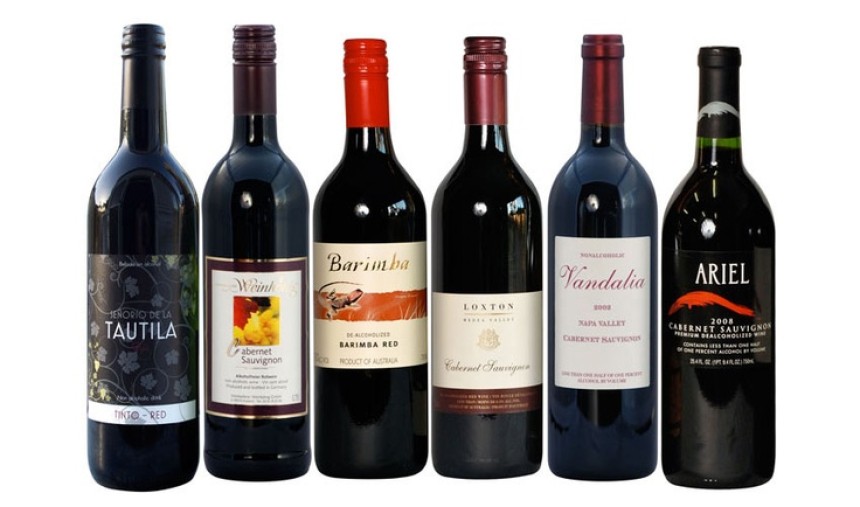

Non-Alcoholic Wines | A Complete Guide to Taste, Benefits & Top Choices
Non-alcoholic wines are crafted from traditional wine made from fermented grapes but undergo a specialized process to remove or significantly reduce alcohol content.
Non-alcoholic wines have become one of the fastest-growing categories in the beverage industry, driven by a global shift toward wellness, mindful drinking, and healthier lifestyle choices. Whether someone wants to reduce alcohol intake, avoid hangovers, stay productive, or simply enjoy the flavor of wine without intoxication, non-alcoholic wines offer a sophisticated, delicious solution. In 2025, the demand for alcohol-free wines continues to rise as more consumers discover that modern dealcoholisation techniques can preserve aroma, flavor, and texture remarkably well. This detailed guide explores what non-alcoholic wine is, how it's made, its benefits, flavor profiles, and why it's becoming a preferred choice for many.
What Are Non-Alcoholic Wines?Non-alcoholic wines are crafted from traditional wine made from fermented grapes but undergo a specialized process to remove or significantly reduce alcohol content. The result is a wine-like beverage with an alcohol level often below 0.5% ABV, yet retaining the complexity, aroma, and balance found in regular wine. This low alcohol percentage is similar to that of kombucha or ripe fruit juices, making these wines safe for most adults who prefer not to consume alcohol.
Modern production methods allow winemakers to preserve delicate flavor compounds, tannins, and aroma molecules even after alcohol removal. Unlike sparkling grape juice, non-alcoholic wine tastes closer to its alcoholic counterpart because it is made the same way—just minus the alcohol.
How Non-Alcoholic Wines Are MadeThe creation of alcohol-free wine starts with traditional winemaking. Grapes are harvested, crushed, fermented, aged, and blended just like standard wines. Only after the wine reaches full maturity does the alcohol-removal process begin. This gives the final product its authentic wine character.
There are three main methods used today:
1. Vacuum DistillationIn this technique, alcohol is gently evaporated at lower temperatures under reduced pressure. This prevents flavor loss and preserves the wine’s signature aromas.
2. Reverse OsmosisA highly advanced filtration system separates alcohol molecules from the wine without disturbing essential flavor compounds. The result is a crisp, balanced beverage with excellent mouthfeel.
3. Spinning Cone TechnologyThis modern method spins wine in a column to extract aroma molecules, then alcohol, before reintroducing the aromas. Considered the gold standard, it produces the most premium non-alcoholic wines.
These methods ensure that the essence of the original wine is never lost, giving consumers a refined, mature drinking experience.
Benefits of Non-Alcoholic WinesNon-alcoholic wines are increasingly popular because they offer a wide range of advantages beyond simply avoiding alcohol. Here are some of the most important benefits:
1. Zero HangoversSince alcohol-free wines contain little to no alcohol, they eliminate the dehydration and headaches caused by alcoholic drinks. This makes them perfect for social gatherings, work nights, or health-focused individuals.
2. Lower CaloriesAlcohol contains empty calories. Removing it results in significantly fewer calories per serving, making non-alcoholic wines an excellent choice for weight-conscious consumers.
3. Heart-Healthy PolyphenolsNon-alcoholic red wines maintain antioxidants like resveratrol, which may support heart health and improve circulation—offering benefits without alcohol’s risks.
4. Safe for More PeopleMany people choose non-alcoholic wines because they are suitable for:
• Individuals reducing alcohol consumption
• Designated drivers
• Fitness enthusiasts
• Pregnant or breastfeeding women (consult doctor)
• People with medical or religious restrictions
5. A Refined Social ExperienceThese wines allow consumers to enjoy the ritual, flavor, and sophistication of wine without compromising their lifestyle goals.
Popular Types of Non-Alcoholic WinesThe variety of non-alcoholic wines available today is impressive. As demand grows, wineries worldwide are creating alcohol-free versions of almost every wine type.
Non-Alcoholic Red WinesRich in tannins and antioxidants, popular varieties include:
• Merlot
• Cabernet Sauvignon
• Pinot Noir
• Shiraz
These wines pair beautifully with red meats, pasta, and cheese boards.
Non-Alcoholic White WinesCrisp and refreshing, ideal for summer and seafood dishes. Common types include:
• Chardonnay
• Sauvignon Blanc
• Pinot Grigio
• Riesling
They offer bright acidity and fruity aromas.
Non-Alcoholic Rosé WinesRosé-style alcohol-free wines are celebrated for their balance of light sweetness and floral notes. They are perfect for brunch, picnics, and casual sipping.
Non-Alcoholic Sparkling WinesThe most popular category—ideal for celebrations.
• Brut
• Prosecco-style
• Champagne-style
These wines deliver bubbles, elegance, and a festive feel.
Taste and Quality: What to ExpectThe taste of non-alcoholic wine depends heavily on the winemaker’s technique and the quality of grapes used. Compared to earlier alcohol-free wines (which often tasted sweet or flat), modern non-alcoholic wines deliver:
• Better acidity balance
• Improved mouthfeel
• Richer flavor layers
• Long-lasting aroma
High-quality brands now offer alcohol-free wines so close to the real thing that even experienced wine drinkers sometimes struggle to tell the difference.
Food Pairing with Non-Alcoholic WinesPairing food with alcohol-free wine enhances both flavor and experience. Here are some recommendations:
Red Wine Pairings• Grilled meat
• Barbecue dishes
• Pizza
• Gouda or cheddar cheese
White Wine Pairings• Seafood
• Sushi
• Pasta with cream sauce
• Salads
Rosé Pairings• Light snacks
• Desserts
• Fresh fruits
• Biryani or spicy dishes
Sparkling Wine Pairings• Celebratory meals
• Cakes and pastries
• Appetizers
• Cheese platters
Why Non-Alcoholic Wines Are Growing WorldwideSeveral global trends are pushing the rise of non-alcoholic wine consumption:
Health & Fitness TrendsPeople want enjoyable beverages without compromising their well-being.
Sober-Curious MovementMore people are experimenting with alcohol-free lifestyles—it’s fashionable, healthy, and inclusive.
Premium Product InnovationBrands continue to improve quality, offering luxurious alcohol-free options.
Cultural and Religious PreferencesIn regions where alcohol consumption is restricted, non-alcoholic wines provide a safe alternative.
How to Choose the Best Non-Alcoholic WineWhen selecting a non-alcoholic wine, consider the following:
● Look for award-winning or highly rated brands
● Choose varieties you already enjoy in alcoholic wine
● Check sweetness levels—some options are drier than others
● Read tasting notes for flavor expectations
● Try sparkling versions if you're new to NA wines (they taste closest to the original)
Final ThoughtsNon-alcoholic wines are no longer a niche option; they are a mainstream lifestyle choice celebrated for their flavor, health benefits, and inclusivity. From reds and whites to sparkling varieties, these wines offer a rich sensory experience without the effects of alcohol. As technology and craftsmanship continue to evolve, alcohol-free wines are set to become even more sophisticated, making them a fantastic option for celebrations, daily enjoyment, or anyone seeking a healthier alternative.

Best Yoga Retreat in Rishikesh: The One You Can Still Keep at Home
The best yoga retreat in Rishikesh is the one whose clock and sequence survive Monday — ad...


The Changing Digital Landscape: Technology, Innovation, and Online Exp...