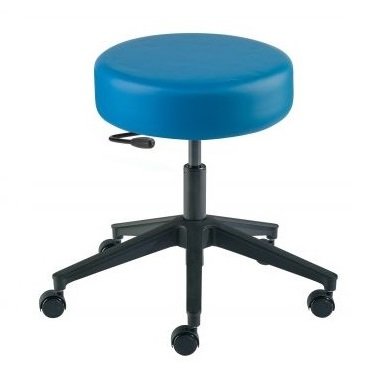

How to Match Lab Chairs to Extended Research and Testing Tasks?
Extended research and testing tasks require more than technical expertise and reliable laboratory equipment. You also need a comfortable, adjustable, and durable seating solution that supports your daily workflow. When you spend hours analyzing samples, operating instruments, preparing experiments, or documenting results, the right chair can help you maintain a stable working posture and reduce unnecessary physical strain.
Choosing laboratory seating involves evaluating your workbench height, task duration, flooring, cleaning procedures, and laboratory environment. By matching these factors to your requirements, you can select seating that supports productivity, comfort, and workplace safety.
Evaluate Your Daily Laboratory TasksBefore choosing a chair, identify the activities you perform most frequently. Different research and testing procedures require different seating features.
For example, microscopy, sample preparation, quality control testing, and data recording may involve different working heights, arm movements, and postures. A chair suitable for occasional desk work may not provide the adjustability you need for precision testing throughout the day.
Consider these questions when assessing your tasks:
- How many hours do you typically spend sitting?
- Do you frequently move between workstations?
- Do you work at a standard laboratory bench or a raised counter?
- Do your tasks require precise hand movements or sustained concentration?
- Must your seating meet specific cleanroom or laboratory hygiene requirements?
Your answers will help you establish a practical checklist before exploring available lab chairs for extended laboratory research and precision testing tasks.
Prioritize Adjustability for Long Working HoursAdjustability is essential when you spend extended periods performing repetitive or detail-oriented work. A properly adjusted chair helps you maintain a comfortable working position without repeatedly stretching, leaning forward, or raising your shoulders.
Look for the following features:
- Seat-height adjustment: Allows you to align your seating with the work surface and maintain a suitable relationship between your arms, hands, and workstation.
- Backrest support: Helps support your back while you perform sustained research and testing activities.
- Footring or footrest: Can provide additional support when your feet do not rest comfortably on the floor because of a raised work surface.
- Armrest options: May help support your arms during suitable tasks, provided they do not interfere with close access to instruments or work surfaces.
Not every laboratory task requires every feature. For example, a researcher working close to a microscope may benefit from a different configuration than someone performing general documentation. Select features according to your posture and work requirements rather than choosing a chair based on its appearance alone.
Match Chair Height to Your Laboratory WorkbenchYour chair and workbench should function as a coordinated workstation. Even an adjustable chair may be unsuitable if its height range does not accommodate your laboratory bench.
For seated work, adjust the chair so your shoulders remain relaxed, your elbows can stay close to your body, and your wrists remain in a comfortable position while handling instruments. Keep your feet supported by the floor or an appropriate footrest.
For elevated benches, consider laboratory stools or higher seating with a suitable footring. A footring can help prevent your legs from hanging unsupported when the chair is raised.
Before purchasing, measure the work surface and check the chair's minimum and maximum seat heights. Also consider clearance beneath the bench, available legroom, and whether armrests could prevent you from moving close enough to the equipment.
These checks help you avoid common ergonomic problems and create a workstation suited to your actual testing procedures.
Choose Materials That Suit Your Laboratory EnvironmentLaboratory chairs must withstand regular use and the cleaning procedures required in your facility. Material selection is particularly important in wet laboratories, testing areas, and controlled environments.
Consider these material characteristics:
- Nonporous surfaces: Help prevent liquids from penetrating the seating material and make routine cleaning easier.
- Chemical resistance: Choose materials compatible with the chemicals and disinfectants used in your laboratory.
- Smooth construction: Seats with fewer seams and crevices can be easier to wipe down and maintain.
- Cleanroom compatibility: If you work in a cleanroom, verify that the chair meets your facility's cleanliness, particle-control, and material requirements.
Do not assume that every laboratory chair is suitable for every cleanroom classification. Confirm the manufacturer's specifications and your facility's cleaning protocol before selecting seating.
Select a Stable Base and Suitable MobilityYour chair's base and mobility features should support the movements involved in your daily work. Researchers who move between nearby workstations may benefit from suitable casters, while precision testing may require seating that remains stable during operation.
When comparing chairs, evaluate:
- Base stability: Choose a base designed to provide appropriate support during normal use.
- Caster compatibility: Match wheels to your flooring and the laboratory's movement requirements.
- Movement control: Consider locking or friction-based casters when appropriate for the task.
- Workspace clearance: Ensure the chair fits beneath your bench and allows you to reach instruments without excessive stretching.
For tasks requiring fine motor control, check whether the chair remains steady while you work. Mobility should make your workflow easier without compromising positioning or safety.
Consider Comfort, Maintenance, and Long-Term ValueA chair used for several hours daily should offer appropriate support and withstand frequent adjustments, cleaning, and movement. Look beyond the initial purchase price to assess its suitability for long-term laboratory use.
Check the seat dimensions, backrest design, adjustment mechanisms, weight capacity, and manufacturer's maintenance guidance. If multiple researchers share the same workstation, prioritize adjustable features that accommodate different users.
You should also establish a routine inspection schedule. Check the chair's adjustment controls, base, casters, footring, and upholstery or molded surfaces for wear. Replace damaged components according to the manufacturer's instructions.
For extended research sessions, combine suitable seating with good workstation organization. Keep frequently used tools within easy reach, maintain adequate legroom, and alternate between sitting and standing when practical. Short movement breaks can also help reduce prolonged static postures.
Build a Practical Checklist Before PurchasingUse this checklist to compare your options before making a decision.
- Confirm the required seat-height range for your workbench.
- Evaluate back support and seat adjustability for long sessions.
- Check whether a footring or footrest is necessary.
- Verify that the seating material suits your cleaning procedures.
- Confirm cleanroom compatibility where applicable.
- Check stability, caster suitability, and available legroom.
- Review durability, maintenance requirements, and weight capacity.
Explore laboratory chairs and stools for extended research and testing applications to compare seating options for your workspace. You can also visit CleaTech LLC to learn more about laboratory furniture and cleanroom equipment.
Frequently Asked Questions1. What type of lab chair is best for extended research tasks?A height-adjustable laboratory chair with suitable back support is often a practical choice for extended research. The best option depends on your workbench height, task requirements, cleaning procedures, and the amount of time you spend seated.
2. Are laboratory stools suitable for long testing sessions?They can be suitable when their height and features match the task. However, a stool without back support may be less appropriate for prolonged seated work requiring sustained concentration. Consider an adjustable chair or a supportive stool designed for your application.
3. Why is adjustable seat height important in a laboratory?Adjustable seat height helps you align your body with the work surface, maintain a comfortable arm position, and support your feet properly. It is especially useful when different researchers share a workstation or when tasks require different working heights.
4. What materials should you consider for cleanroom lab chairs?Look for smooth, nonporous materials that are compatible with your cleaning agents and facility requirements. Confirm the chair's cleanroom suitability and particle-control specifications rather than relying on material descriptions alone.
5. How can you maintain laboratory chairs used every day?Clean chairs according to the manufacturer's instructions and your laboratory's procedures. Inspect adjustment mechanisms, footrings, casters, bases, and seating surfaces regularly. Address damage promptly and ensure all moving parts function correctly.
ConclusionMatching lab chairs to extended research and testing tasks requires careful consideration of ergonomics, workstation height, material compatibility, stability, and maintenance. When you evaluate these factors together, you can create a more comfortable and practical working environment for your research team.
Choose seating that supports your actual laboratory activities rather than relying on appearance or price alone. For help identifying suitable laboratory seating for your requirements, contact us today to discuss your application and workspace needs.
Original Source: https://laboratoryquipment.blogspot.com/2026/10/how-to-match-lab-chairs-to-extended.html




Naga Petir: Understanding Its Meaning, Features, Legends, and Cultural...
Naga Petir: Understanding Its Meaning, Features, Legends, and Cultural Significance

Twist, Barrel and Choke: Setting Up the Gun for the Load
The right load still has to suit the barrel. Twist matters for rimfire bullets, and barrel...
