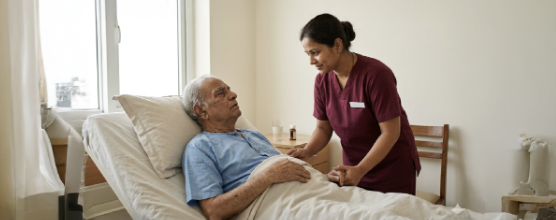

How Neurological Rehabilitation Improves Quality of Life After a TBI
At Antara Care, a personalized rehabilitation approach can bring together medical oversight, physiotherapy, occupational therapy, speech and language support, nursing care, and trained caregiver assistance according to the individual's needs.
A traumatic brain injury (TBI) can change much more than a person's physical abilities. After an accident, fall, sports injury, or other trauma to the head, a person may experience difficulties with movement, balance, memory, speech, concentration, emotions, or everyday activities.
While emergency medical treatment is essential during the initial stage, recovery does not always end when the patient is medically stable or discharged from the hospital. Many people continue to face challenges that affect their independence, relationships, confidence, and overall quality of life.
This is where neurological rehabilitation after TBI can make an important difference.
Rehabilitation focuses on helping the brain and body work together more effectively, improving functional abilities, and helping patients adapt to changes that may remain after the injury.
What Is a Traumatic Brain Injury?
A traumatic brain injury occurs when an external force causes damage or disruption to the normal functioning of the brain. It may happen because of :
Road traffic accidents
Falls
Sports-related injuries
Workplace accidents
Physical impact to the head
Other forms of significant trauma
TBI can range from mild injuries, such as some concussions, to severe injuries that result in prolonged unconsciousness or significant neurological impairment.
The effects can also vary significantly from one person to another.
Some patients may recover relatively quickly, while others may continue to experience symptoms for weeks, months, or longer.
How Can TBI Affect Quality of Life?
Quality of life is not determined only by whether a person has recovered medically. It also involves the ability to participate in everyday activities, communicate, maintain relationships, work or study, and enjoy meaningful experiences.
A TBI can affect several areas simultaneously.
Physical Changes
A person may experience:
Muscle weakness
Reduced coordination
Balance difficulties
Difficulty walking
Muscle stiffness
Reduced endurance
Headaches
Dizziness
Changes in movement
These difficulties can make simple activities such as getting out of bed, bathing, climbing stairs, or walking outdoors more challenging.
Cognitive Difficulties
TBI can affect the way the brain processes information. Some people may experience:
Memory problems
Difficulty concentrating
Slower thinking
Problems with planning
Difficulty solving problems
Reduced attention span
Trouble following instructions
These changes may not always be visible to others, but they can significantly affect a person's independence.
Communication Problems
Some patients may have difficulty finding words, understanding information, speaking clearly, or communicating their thoughts.
Communication difficulties can lead to frustration and may cause people to withdraw from social interactions.
Emotional and Behavioural Changes
TBI can sometimes affect emotional regulation and behaviour.
A patient may experience:
Irritability
Anxiety
Mood changes
Frustration
Reduced motivation
Emotional outbursts
Difficulty adjusting to changes in abilities
These changes can affect relationships with family members and caregivers.
What Is Neurological Rehabilitation for TBI?
Neurological rehabilitation is a structured approach designed to help people recover or adapt following an injury or condition affecting the nervous system.
For TBI patients, rehabilitation is based on their specific difficulties and goals.
Rather than focusing only on the injury itself, the rehabilitation team looks at how the injury is affecting the person's ability to function in real life.
The programme may include physiotherapy, occupational therapy, speech and language therapy, cognitive rehabilitation, medical management, nursing support, and caregiver education.
How Can Neurological Rehabilitation Improve Quality of Life?
Improving Mobility and Physical Independence
One of the most visible effects of a TBI can be difficulty moving around independently.
Physiotherapy can focus on:
Strengthening weak muscles
Improving balance
Practising walking
Improving coordination
Increasing endurance
Improving transfers
Managing stiffness
As mobility improves, patients may become more confident performing activities without constant assistance.
Being able to move safely from the bed to a chair, walk to the bathroom, or participate in family activities can represent major improvements in everyday life.
Helping Patients Become More Independent
Rehabilitation is not simply about making muscles stronger. An important goal is helping patients do more for themselves.
Occupational therapy may focus on everyday activities such as:
Dressing
Eating
Bathing
Grooming
Writing
Using household objects
Preparing simple activities
Managing personal routines
Therapists can also identify ways to adapt activities when a patient has difficulty performing them in the usual manner.
Greater independence can improve confidence and reduce the physical and emotional burden on caregivers.
Supporting Cognitive Recovery
Cognitive difficulties can be particularly challenging after TBI because they may interfere with education, employment, social interactions, and decision-making.
Cognitive rehabilitation can address areas such as:
Memory
Attention
Concentration
Planning
Problem-solving
Information processing
Therapists may also teach practical strategies, such as using reminders, routines, written instructions, or environmental cues.
The objective is not always to completely eliminate a cognitive difficulty. In some cases, it is about helping the individual develop strategies to manage it effectively.
Improving Communication
When TBI affects speech or language, communication therapy can help patients express themselves and understand others more effectively.
Speech and language therapy may work on:
Speech clarity
Word finding
Language comprehension
Conversation skills
Cognitive-communication abilities
Better communication can help patients reconnect with family members, participate in conversations, and express their needs.
Addressing Swallowing Difficulties
Some people with neurological injuries experience problems with swallowing.
A speech and language therapist can assess swallowing function and recommend appropriate strategies where necessary.
This can help make eating and drinking safer while supporting adequate nutrition and hydration.
Reducing the Risk of Falls
Balance problems, weakness, dizziness, and impaired coordination can increase the risk of falls after TBI.
Neurological rehabilitation can include balance and mobility training designed around the patient's abilities.
The rehabilitation team may also assess whether the patient needs:
A walking aid
Environmental modifications
Supervision during certain activities
Additional strength and balance training
Fall prevention becomes particularly important when the patient is returning home.
Rehabilitation Can Also Help With Emotional Adjustment
Recovering from a TBI can be emotionally difficult.
A person who was previously independent may suddenly need assistance with activities they once performed without thinking. This loss of independence can contribute to frustration, anxiety, or reduced confidence.
Rehabilitation provides opportunities for patients to experience gradual progress.
Even small milestones—such as walking a little farther, completing a task independently, or communicating more effectively—can help rebuild confidence.
When needed, psychological or counselling support can also form part of a broader rehabilitation programme.
Why Is a Multidisciplinary Approach Important?
TBI rarely affects only one function.
For example, a patient may have:
Weakness + balance problems + memory difficulties + speech problems
Treating only one of these issues may not address the patient's overall needs.
A multidisciplinary rehabilitation team can approach recovery from different angles.
Depending on the patient's condition, the team may include:
Physical Medicine & Rehabilitation physician
Physiotherapist
Occupational therapist
Speech and language therapist
Neuropsychology or psychological support
Nurses
Trained caregivers
The professionals can work toward shared goals rather than treating each problem in isolation.
Why Personalized Rehabilitation Matters After TBI
There is no standard recovery pattern for every TBI patient.
Two people with seemingly similar injuries can have very different challenges.
One person may primarily need help with walking and balance, while another may struggle more with memory, communication, or behavioural changes.
A personalized rehabilitation plan considers:
Severity of the injury
Age and overall health
Current physical abilities
Cognitive function
Communication abilities
Existing medical conditions
Daily routine
Family and caregiver support
Individual recovery goals
The programme can then be modified as the patient progresses.
The Importance of a Safe Rehabilitation Environment
The environment in which rehabilitation takes place can also influence recovery.
TBI patients with balance problems or reduced coordination may need additional safety measures during daily activities.
A senior-friendly rehabilitation environment can include:
Grab bars
Anti-skid flooring
Accessible walking areas
Functional beds
Emergency call systems
Appropriate supervision
Trained caregivers
These features can help patients practise mobility and daily activities while reducing avoidable safety risks.
How Can Families Support a TBI Patient?
Family members play an important role in recovery, but supporting someone after TBI can be demanding.
Families can help by:
Encouraging participation in prescribed therapy
Maintaining consistent routines
Giving the patient enough time to respond
Avoiding unnecessary interruptions
Keeping the environment safe
Following medical and rehabilitation instructions
Celebrating realistic milestones
Communicating changes to the rehabilitation team
It is also important to remember that recovery may not always be linear. A patient can have good days and difficult days during the rehabilitation journey.
Does TBI Rehabilitation Guarantee Complete Recovery?
No. The outcome of TBI rehabilitation depends on several factors, including the severity and location of the injury, the patient's health, complications, and the functions affected.
Some patients may eventually return to most of their previous activities. Others may continue to have certain physical, cognitive, or emotional difficulties.
However, rehabilitation can still be valuable even when complete recovery is not possible.
The goal may shift from restoring every function to maximizing independence, safety, participation, and quality of life.
How Antara Senior Care Supports Neurological Rehabilitation
For older adults recovering from TBI, rehabilitation may need to go beyond scheduled therapy sessions. Patients may require assistance with mobility, personal care, nutrition, medication routines, and everyday activities.
At Antara Care, a personalized rehabilitation approach can bring together medical oversight, physiotherapy, occupational therapy, speech and language support, nursing care, and trained caregiver assistance according to the individual's needs.
A senior-friendly environment, combined with structured rehabilitation and day-to-day support, can help patients work toward greater functional independence while giving families additional support during the recovery process.
When Should Rehabilitation Begin?
The timing of rehabilitation depends on the patient's medical condition and the advice of the treating team.
Once the patient is medically stable, rehabilitation may be introduced or continued according to their specific needs. Starting with appropriate goals and gradually increasing activity can help prevent prolonged inactivity and support functional recovery.
The key is not simply to start as early as possible, but to start at the right time, with the right level of supervision and an individualized plan.
Conclusion
A traumatic brain injury can affect far more than physical movement. It can influence memory, communication, emotions, independence, relationships, and the ability to participate in everyday life.
Neurological rehabilitation helps address these challenges from a functional perspective. Through physiotherapy, occupational therapy, speech and language therapy, cognitive rehabilitation, medical management, and caregiver support, patients can work toward improving the abilities that matter most in their daily lives.
Recovery after TBI may take time, and progress can look different for every patient. But with appropriate rehabilitation, a safe environment, personalized goals, and consistent support, many patients can make meaningful improvements in independence, confidence, participation, and overall quality of life.
Visit us : https://www.antaraseniorcare.com/care-home/services/stroke-rehabilitation

Best Yoga Retreat in Rishikesh: The One You Can Still Keep at Home
The best yoga retreat in Rishikesh is the one whose clock and sequence survive Monday — ad...


The Changing Digital Landscape: Technology, Innovation, and Online Exp...