
How Dubai Builds to Last — Concrete Structures Done Right
From initial structural concept to final municipal approval, the team is equipped to support projects of every scale and complexity — ensuring that what gets built is not only compliant, but built to endure.
The design of concrete structures in Dubai Municipality follows strict engineering codes and standards to ensure safety, durability, and resilience in one of the world's most demanding climates. Projects must comply with local and international guidelines, making expert structural design essential for any construction venture in the UAE.
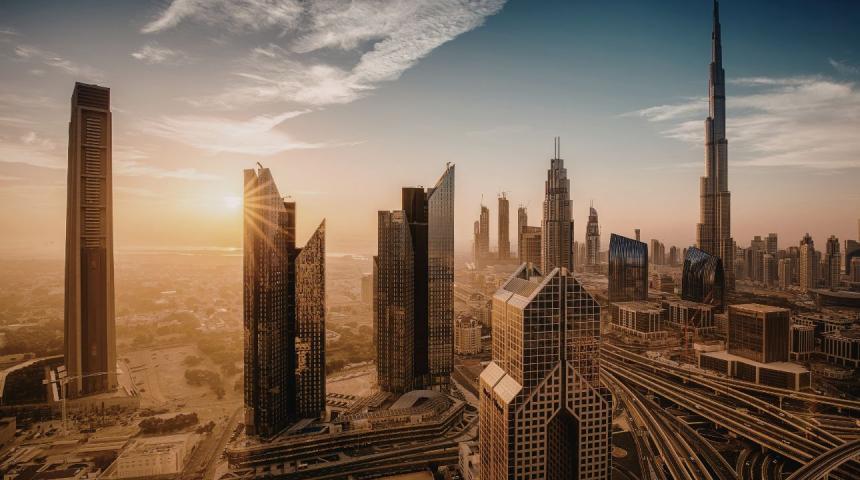
Dubai's skyline is one of the most recognizable on Earth. From supertall towers to sprawling infrastructure networks, almost every landmark rests on one foundational element — concrete. But behind every structure that defies gravity or spans a desert highway, there's a meticulous design process governed by exacting standards.
For developers, engineers, and contractors working in the UAE, understanding how the design of concrete structures aligns with Dubai Municipality requirements is not just good practice — it's a legal and professional necessity. Get it wrong, and projects stall. Get it right, and you build something that stands for generations.
Integra works closely with clients across the UAE to navigate these requirements, delivering structural designs that meet both regulatory expectations and real-world performance demands.
Design of Concrete Structures — What the Standards RequireThe Design of Concrete Structures is a discipline that blends material science, structural mechanics, and practical engineering judgment. In Dubai, this process is shaped by a combination of international codes — primarily the ACI 318 (American Concrete Institute) and BS 8110 (British Standards) — alongside the UAE Fire and Life Safety Code and local Dubai Municipality guidelines.
Concrete must be designed to handle not just load-bearing requirements, but also environmental stressors unique to the Gulf region. High ambient temperatures, aggressive soil sulfates, and coastal salinity all accelerate concrete deterioration if the mix design, reinforcement detailing, and cover specifications aren't carefully considered from the outset.
Key factors in structural concrete design include:
- Compressive strength — typically specified as C25, C30, C40, or higher depending on the application
- Durability requirements — water-cement ratios, cement type, and admixture selection to resist chemical attack
- Reinforcement detailing — bar spacing, lap lengths, and anchorage zones aligned with seismic and loading conditions
- Formwork and pour sequences — critical for large mat foundations and high-rise cores
Every one of these variables must be documented, calculated, and submitted for approval before construction begins.
How Dubai Municipality Regulates Structural SubmissionsDubai Municipality serves as the primary authority for building permits and structural approvals in the emirate. The municipality's Building Department oversees the review and clearance of all structural drawings, calculations, and material specifications before a project can legally proceed to construction.
The submission process under Dubai Municipality typically involves:
- Preliminary approval — concept-level structural scheme reviewed against zoning and master plan requirements
- Detailed design submission — full structural drawings, load calculations, soil investigation reports, and material specifications
- Third-party review — for complex or high-risk structures, an independent structural review may be mandated
- Site inspection — inspectors verify that construction matches approved drawings at key stages
Non-compliance at any of these stages can result in stop-work orders, redesign requirements, or, in serious cases, demolition of non-conforming elements. The stakes are high, and the process demands precision.
Integra's team of structural engineers is well-versed in Dubai Municipality submission protocols, helping clients compile complete, compliant documentation packages that minimize back-and-forth with the authority.
What Makes Concrete Design in Dubai Uniquely ChallengingDubai's environment pushes structural engineers harder than most places in the world. Summer temperatures regularly exceed 45°C, and ground-level humidity near the coast creates a corrosive environment for reinforced concrete. Chloride-induced corrosion of steel reinforcement is one of the leading causes of premature structural deterioration across the Gulf.
To counter this, Dubai Municipality standards mandate specific concrete cover depths, waterproofing systems for below-grade structures, and the use of sulfate-resisting cement in areas with aggressive soil conditions. Epoxy-coated or stainless-steel reinforcement is increasingly specified for marine and coastal applications.
Beyond the environment, Dubai's rapid pace of construction adds another layer of complexity. Project timelines are often compressed, meaning structural engineers must balance thoroughness with efficiency — producing compliant, constructable designs without unnecessary delays.
This is where experience matters. Integra draws on years of project delivery across Dubai and the wider UAE to anticipate regulatory requirements, resolve design conflicts early, and keep projects moving.
Best Practices for Compliant Concrete Structure Design in DubaiWhether you're designing a residential villa, a commercial tower, or a public infrastructure asset, the following practices support a smoother path through Dubai Municipality approvals:
Engage a qualified structural engineer early. Structural input at the concept stage prevents costly redesigns later. Load paths, foundation strategy, and material choices all influence architectural form — and the sooner these are resolved, the fewer surprises at submission.
Use Dubai Municipality's current code references. Codes are periodically updated, and submissions referencing outdated standards are commonly rejected. Staying current with the municipality's approved code list is non-negotiable.
Invest in geotechnical investigation. Foundation design depends entirely on soil data. Skimping on site investigation is one of the most common causes of structural design revisions during the approval process.
Coordinate with MEP and architectural teams. Structural drawings submitted in isolation frequently conflict with other disciplines. Coordinated BIM models reduce clashes and produce cleaner, faster approvals.
Document material specifications thoroughly.Dubai Municipality reviewers look for complete material data, including concrete mix designs, reinforcement grades, and test certificate requirements. Gaps in this documentation are a common cause of resubmission.
Building Confidently in Dubai With the Right PartnerThe design of concrete structures in compliance with Dubai Municipality standards is a discipline that rewards expertise and preparation. Dubai's regulatory framework exists to protect the public, and the standards it enforces reflect the genuine engineering challenges of building in one of the world's most demanding environments.
Integra brings the technical rigor, local knowledge, and regulatory experience to make the process straightforward. From initial structural concept to final municipal approval, the team is equipped to support projects of every scale and complexity — ensuring that what gets built is not only compliant, but built to endure.