
How Cleantech Solutions Improve Wastewater Treatment
Discover how cleantech solutions improve wastewater treatment through innovation, efficiency, and sustainability. Learn the technologies shaping modern water management.
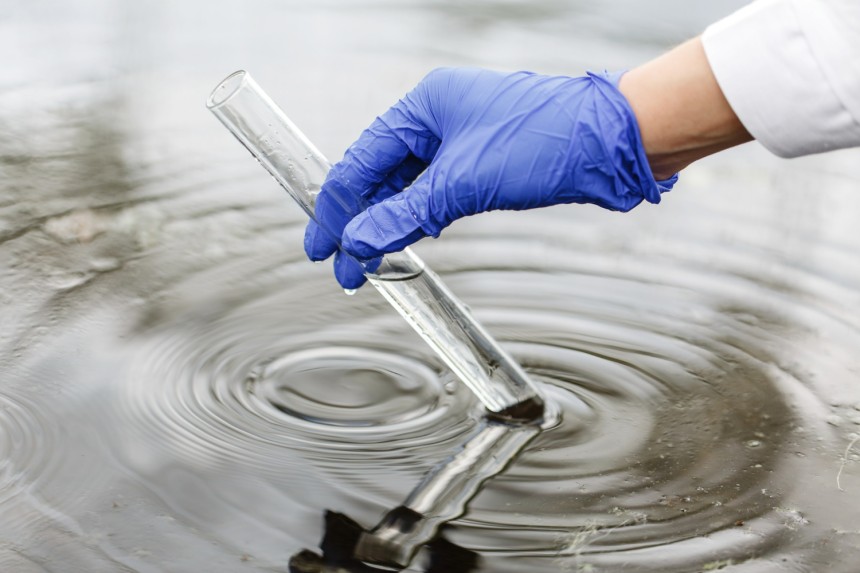
How Cleantech Solutions Improve Wastewater Treatment
Scarcity of water, exponential growth in industries, and urbanization have increased the demand for wastewater treatment worldwide. Most conventional treatment methods experience challenges due to increasing polluted loadings, new and evolving effluents chemical compositions, as well as increasingly stringent environmental legislations. Cleantech solutions are stepping in to bridge this gap, enabling faster, more energy efficient and sustainable approaches to water treatment.
That means Cleantech is more than just a fad; it’s increasingly becoming a core part of industry, cities and water utilities interested in clean, safe drinking water and meeting higher regulations. This blog is about how modern cleantech solutions are disrupting wastewater treatment and why they find steadily growing appeal amongst industries.
What Is Cleantech for Wastewater Treatment?
Cleantech includes cost-effective products, including new technologies, that are not wasteful or harmful to the environment. Within the context of wastewater treatment, cleantech zeros in on:
- Reducing energy consumption
- Improving biological treatment performance
- Advancing monitoring and automation
- Minimizing chemical usage
- Recovering water, energy, and nutrients
- Decreasing sludge generation
These optimizations enable facilities to run with less costs, and greater reliability.
Cleantech Innovations Enabling Wastewater Treatment Technologies
Wastewater plants are experimenting with all manner of cleantech. These are the most striking solutions transforming the industry.
1. Advanced Biological Treatment Systems
Biological processing is a fundamental part of wastewater treatment. Yet traditional techniques are time consuming or unreliable when handling more complex effluents.
Cutting-edge cleantech adds performance-based microbial formulations and enhanced biocultures that speed the degradation of organic materials, oil/fats, and challenging contaminants.
How it helps:
Faster digestion of pollutants
• Steady performance under jump loads (loading not stable)
Reduced bad odour emissions
Lower chemical dependency
Better sludge quality and less water to deal with
Advanced bio-solutions also bring in considerable advantages to sectors like food processing, chemical manufacturing and textile units.
2. Membrane-Based Filtration Technologies
Membrane systems, such as MBR,UF and RO have been commonly found to represent the heart of advanced treatment facilities.
Advantages include:
High-quality treated water
Minimal footprint
Excellent removal of suspended solids
Strong performance consistency
Film systems are currently applied to municipal sewage, urban and industrial wastewater treatment and reuse of treated effluent.
3. Real-Time Digital Monitoring and Automation
Automation is one of the most productive cleantech progress.
By using digital monitoring software operators can follow:
- pH, TSS, COD, BOD
- Microbial activity
- Aeration efficiency
- Sludge characteristics
- Flow variations
And real-time data is helping facilities prevent failures before they happen.
Benefits include:
- Lower operational errors
- Reduced downtime
- Predictive maintenance
- Improved energy management
- Faster troubleshooting
- IoT-based sensors are now part and parcel of today’s STPs and ETPs.
4. Energy-Efficient Aeration Systems
The energy required for aeration accounts for 40-60% of the total requirements of a plant.
Cleantech aeration technology — for example, fine-bubble diffusers and controlled airflow technologies — can slash energy waste.
- Impact on performance:
- Higher oxygen transfer
- Better microbial efficiency
- Reduced electricity bills
- Lower carbon footprint
Just for their energy efficiency, this upgrade becomes one of the highest-impact cleantech choices.
5. Odour Abatement Techniques in Treatment Facilities
Odour problems are a frequent problem in treatment situations as the result of decomposition of organics and handling of sludge. Cleantech solutions for odour include:
- Biological odour neutralizers
- Advanced microbial cultures
- Low-energy scrubbers
- Carbon polishing systems
- Improved ventilation design
These remedies can assist with the level of comfort and overall environmental control in work spaces.
6. Sludge Minimization and Resource Recovery
Cleantech is transitioning plants from waste treatment equipment to resource recovery operations.
Modern solutions help recover:
- Biogas for energy
- Nutrients like nitrogen and phosphorus
- Reusable water
- Value-added byproducts
Transport and disposal costs are also reduced by sludge reduction technologies.
The Importance of Cleantech in Industrial Wastewater
There are very stringent discharge norms for various industries today. Cleantech helps industries by:
- Managing high-strength effluents
- Treating toxic compounds safely
- Maintaining stable process performance
- Improving compliance with PCB guidelines
- Reducing downtime and emergency interventions
- Improving sustainability reporting and ESG ratings
When cleantech is embraced, our industry often reports less operational stress and better long-term productivity.
The Future Of Cleantech In Domestic Waste Water Treatment
The coming 5 years see the rapid increase of:
- AI-powered treatment optimization
- Autonomous monitoring systems
- Zero Liquid Discharge (ZLD) systems
- High-efficiency bio-reactors
- Low-cost decentralized treatment units
The future of wastewater technology will be driven by a move to low-energy, high performing solutions.
Conclusion
Wastewater treatment is being transformed by Cleantech industries, making it more efficient, predictable and environmentally friendly. Today, industries and municipalities that have adopted cutting-edge biological solutions and state-of-the-art filtration technologies, supported by digital monitoring platforms, are achieving superior water quality with less operational effort.
To explore more about innovative wastewater and odour control technologies, visit Amalgam Biotech now.
Polyetheramine Price Trend in India 2026 Price Trends, Forecast, Chart...
Heavy Melting Scrap Price Trend 2026 | Q3 Forecast, Chart, Prices and...

Accounting and Finance for Business: Build Practical Financial Knowled...
Build business finance skills with CIFA. Learn accounting, financial statements, budgeting...

Busheling Scrap Price Trend 2026 | Q3 Forecast, Chart, Prices and Inde...