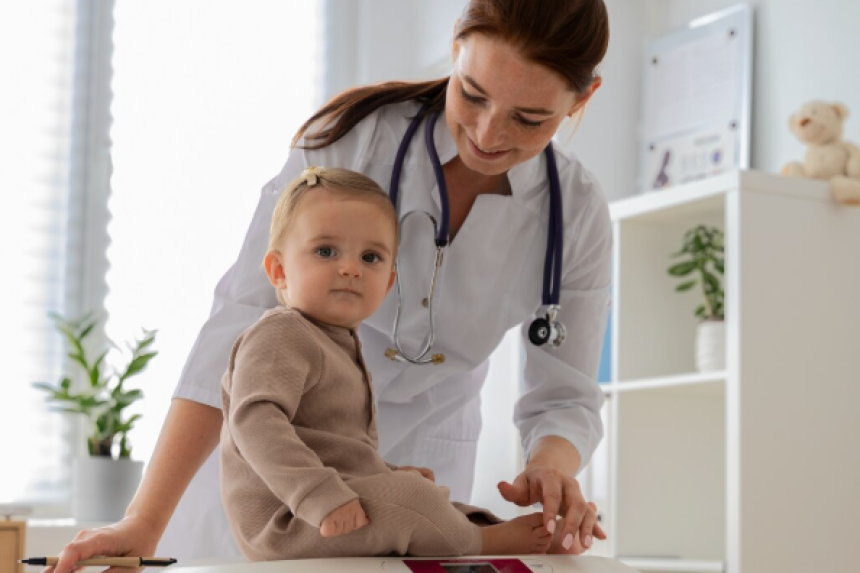

Exploring the Roles of Neonatal and Pediatric Nurse Practitioners: Guardians of Infant and Child Health
Healthcare is a dynamic field that demands both compassion and specialized knowledge, especially when it comes to caring for the youngest members of society. Within this realm, the roles of neonatal nurse practitioners (NNPs) and pediatric nurse practitioners (PNPs) are indispensable. Both of these advanced practice registered nurses (APRNs) play a pivotal role in ensuring the health, development, and well-being of infants, children, and adolescents, but each has a distinct scope of practice, educational pathway, and patient focus.
Healthcare is a dynamic field that demands both compassion and specialized knowledge, especially when it comes to caring for the youngest members of society. Within this realm, the roles of neonatal nurse practitioners (NNPs) and pediatric nurse practitioners (PNPs) are indispensable. Both of these advanced practice registered nurses (APRNs) play a pivotal role in ensuring the health, development, and well-being of infants, children, and adolescents, but each has a distinct scope of practice, educational pathway, and patient focus.
Understanding the Neonatal Nurse Practitioner
A neonatal nurse practitioner is an APRN who specializes in the care of newborns, particularly those who are critically ill or born prematurely. NNPs work primarily in neonatal intensive care units (NICUs), providing comprehensive care for infants during the most fragile stages of life. Their responsibilities extend beyond routine care to include complex medical management, diagnostic evaluations, and family support.
Education and Training
Becoming a neonatal nurse practitioner requires extensive education and clinical training. Typically, an NNP must first become a registered nurse (RN), gain experience in a neonatal intensive care setting, and then complete a master’s or doctoral program with a focus on neonatology. This rigorous educational journey equips NNPs with the skills necessary to manage life-threatening conditions such as respiratory distress syndrome, congenital heart defects, and neonatal infections.
Scope of Practice
NNPs are trained to perform advanced procedures such as intubation, central line placement, and administration of specialized medications. They collaborate closely with neonatologists, pediatricians, and other healthcare professionals to develop treatment plans tailored to each infant’s unique needs. Additionally, NNPs provide counseling and education to families, helping them navigate the emotional challenges of having a critically ill newborn.
Impact on Patient Outcomes
Research consistently shows that the involvement of neonatal nurse practitioners in NICUs improves patient outcomes. Their expertise contributes to shorter hospital stays, reduced complications, and enhanced support for families. By focusing on both medical intervention and emotional support, NNPs play a vital role in the early stages of life, setting the foundation for long-term health.
Exploring the Pediatric Nurse Practitioner
While NNPs focus on newborns, a pediatric nurse practitioner provides care for children and adolescents, typically from birth through young adulthood. PNPs work in a variety of settings, including pediatric clinics, hospitals, and community health centers, offering preventive care, acute illness management, and chronic disease management.
Education and Training
Like NNPs, pediatric nurse practitioners begin their careers as registered nurses and then pursue advanced education. PNP programs emphasize child development, family-centered care, and pediatric pharmacology. Clinical experience is essential, with PNPs training under the supervision of pediatricians to gain expertise in diagnosing and treating common childhood illnesses as well as managing complex conditions such as asthma, diabetes, and congenital disorders.
Scope of Practice
Pediatric nurse practitioners provide comprehensive healthcare, including routine check-ups, immunizations, growth and developmental assessments, and management of acute and chronic illnesses. They are trained to diagnose medical conditions, prescribe medications, order and interpret diagnostic tests, and educate families on health promotion and disease prevention. PNPs adopt a holistic approach, considering the physical, emotional, and social needs of children and their families.
Impact on Child Health
PNPs are often the primary healthcare provider for many children, offering consistent, personalized care that fosters healthy development. Studies indicate that PNP-led care improves adherence to preventive measures, reduces emergency room visits, and enhances overall patient satisfaction. By emphasizing both medical treatment and preventive strategies, pediatric nurse practitioners contribute significantly to long-term child health.
Key Differences Between NNPs and PNPs
Although both NNPs and PNPs are advanced practice nurses with specialized knowledge, their focus and patient populations differ:
Feature
Neonatal Nurse Practitioner
Pediatric Nurse Practitioner
Patient Population
Newborns, especially premature or critically ill
Infants, children, adolescents
Primary Setting
Neonatal Intensive Care Units (NICUs)
Pediatric clinics, hospitals, community health centers
Education Focus
Neonatal physiology, critical care, neonatal resuscitation
Child development, family-centered care, pediatric pharmacology
Scope of Practice
Advanced procedures for critically ill infants
Comprehensive healthcare including prevention, acute, and chronic care
Collaboration
Works closely with neonatologists
Works closely with pediatricians and other pediatric specialists
Understanding these differences is crucial for parents, healthcare administrators, and aspiring nurses when determining career paths or seeking specialized care for children and infants.
The Pathway to a Rewarding Career
Both neonatal and pediatric nurse practitioner roles offer highly rewarding careers. Beyond the intellectual challenges, these professions provide the opportunity to make a profound impact on the lives of children and families. For those considering this path, key steps include:
- Becoming a Registered Nurse (RN) – Obtain a Bachelor of Science in Nursing (BSN) and gain clinical experience.
- Specializing in Pediatric or Neonatal Nursing – Acquire hands-on experience in pediatric units or NICUs.
- Advanced Education – Enroll in a master’s or doctoral program specializing in neonatology or pediatrics.
- Certification – Obtain national certification through organizations such as the Pediatric Nursing Certification Board (PNCB) or the American Nurses Credentialing Center (ANCC).
- Continued Professional Development – Engage in lifelong learning to stay current with advancements in neonatal and pediatric care.
Challenges and Rewards
While these careers are deeply fulfilling, they also come with challenges. NNPs often work in high-stress environments, making life-or-death decisions for critically ill infants. PNPs, while managing a broader age range, must balance the medical, emotional, and developmental needs of their patients. Both roles require resilience, compassion, and exceptional clinical judgment.
The rewards, however, are significant. Both NNPs and PNPs witness the direct impact of their care, from seeing premature infants thrive to helping children overcome chronic illnesses. Additionally, these roles often offer competitive salaries, flexible work settings, and opportunities for leadership in healthcare policy, education, and research.
Conclusion
The roles of neonatal nurse practitioners and pediatric nurse practitioners are vital pillars of the healthcare system. They embody the intersection of advanced medical knowledge, compassionate care, and family-centered support. NNPs provide critical care to the most vulnerable patients—newborns—while PNPs ensure the ongoing health and development of children and adolescents. Together, these professionals not only save lives but also foster long-term wellness, making them indispensable in shaping the future of pediatric healthcare.
For those considering a career in nursing, specializing as an NNP or PNP offers the chance to make a meaningful difference, combining scientific expertise with the profound reward of caring for children at their most formative stages. Whether in the NICU or a pediatric clinic, these nurse practitioners are champions of health, advocates for families, and essential members of the medical community.

Looking for Tax Debt Relief Services in Canada? Read This Guide
Discover how tax debt relief services work in Canada, from CRA payment arrangements and ta...