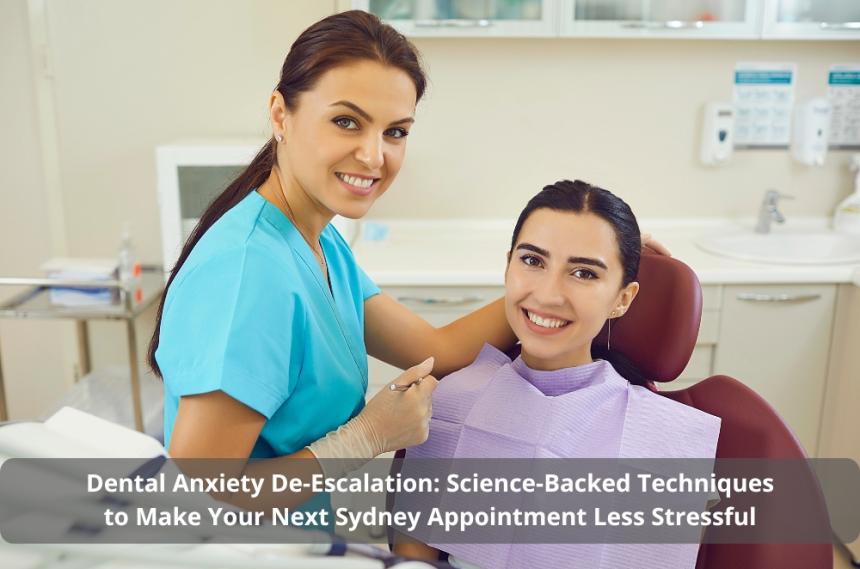

Dental Anxiety De-Escalation: Science-Backed Techniques to Make Your Next Sydney Appointment Less Stressful
Nervous about the dentist? Discover science-backed breathing, distraction and communication techniques, how to spot early anxiety triggers, and what a supportive Sydney practice will do to help you stay calm and in control.
Few things set the heart racing like the buzz of a dental drill—yet postponing or skipping appointments often turns small issues into expensive, painful problems. The good news? Dental anxiety is both common and manageable. Below, we unpack the psychology behind it, offer practical techniques you can try today, and outline what to expect from a dentist who truly understands patient nerves in Sydney. We’ll also discuss how skilled dental surgeons across Sydney help anxious patients feel more comfortable through clear communication, modern techniques, and personalised care.
1. Why Does the Dentist’s Chair Trigger Anxiety?
Before tackling a fear, it helps to understand where it comes from. Research suggests dental anxiety can stem from three overlapping factors.
A. Sensory Overload
Bright lights, unfamiliar sounds and the sensation of instruments in the mouth bombard the nervous system. People with heightened sensory sensitivity—children, neurodivergent adults, or anyone who has had a negative past experience—often report faster heart rates and a stronger fight-or-flight response.
B. Loss of Control
Lying back with someone working centimetres from your airway can feel vulnerable. Studies in behavioural psychology show that perceived control is crucial: the less influence we think we have over a situation, the more anxious we become.
C. Fear of Pain or Bad News
Even though modern dentistry is remarkably gentle, the memory of an old, painful visit—or a worry about an expensive diagnosis—can amplify anxiety. According to Healthdirect Australia, roughly one in six Australian adults avoids or delays dental care due to these fears.
Understanding these root causes reframes anxiety from “something wrong with me” to a logical stress response—one you can learn to dial down.
2. Spot the Subtle Early Signs of Escalating Dental Anxiety
It’s easier to defuse nerves when you catch them early. Watch for:
- Avoiding phone calls to book check-ups
- Rehearsing worst-case scenarios (“What if the treatment hurts?”)
- Trouble sleeping the night before an appointment
- Rapid breathing while thinking about dental work
- “Numbing” strategies such as high caffeine intake or scrolling on your phone for distraction
If you notice these patterns, a short refresher on overall oral care can help you feel more prepared. You might find this practical oral care guidance for maintaining bright teeth useful to regain a sense of routine before your visit.
3. Evidence-Based Calming Techniques You Can Practise at Home
The goal isn’t to eliminate every trace of nerves but to keep anxiety below the “red-zone” where avoidance kicks in. The strategies below have peer-reviewed support.
TechniqueHow It WorksQuick How-ToWhen to UseBox BreathingActivates the parasympathetic (calming) nervous systemInhale 4 s → Hold 4 s → Exhale 4 s → Hold 4 s. Repeat 4-6 cycles.In the waiting room or the night beforeProgressive Muscle RelaxationReleases stored tension that fuels anxious thoughtsTense a muscle group for 5 s, then release for 10 s, moving head-to-toeMorning of your appointmentGuided ImageryDiverts attention away from dental cuesPicture a detailed, positive scene—waves, forest, favourite parkDuring routine check-up cleaningWeighted Blanket or Lap PadDeep pressure reduces physiological arousalPlace a 2–4 kg lap pad during treatment (ask if the clinic provides one)Longer proceduresAgreed “Stop Signal”Restores sense of controlRaise a hand when you need a break; dentist pauses immediatelyAny appointmentExtra Tip for Parents
For children, pair each technique with a simple visual cue—e.g., “blow up the pretend balloon” (deep breathing) or “squeeze the teddy, then relax” (muscle relaxation)—to keep instructions playful.
4. What to Expect from a Truly Supportive Dental Practice in Sydney
A clinic that takes anxiety seriously will layer environmental, communication and treatment options to match individual comfort levels. Watch for the following signs when you book.
A. Open, Judgment-Free Conversation
Reception staff ask about previous experiences, triggers and preferred coping mechanisms—instead of rushing to fill appointment slots.
B. Calming Clinic Design
Plants, neutral colours and low-noise equipment dampen sensory overload. Some practices also use aroma diffusers with mild essential oils (lavender or orange) to lower cortisol levels.
C. Flexible Appointment Structuring
Shorter initial visits, longer breaks between procedures, or early-morning slots for those who worry all day demonstrate patient-centred care.
D. Modern Comfort Options
From “happy gas” (nitrous oxide) to intra-oral scanners that avoid messy impression trays, contemporary technology reduces discomfort and speeds up treatment.
Sydney patients looking for these layered support measures can explore experienced dental care in Sydney that encompasses preventive, restorative and anxiety-aware solutions under one roof. A practice experienced across multiple service areas can seamlessly adjust treatment plans if your comfort level shifts mid-procedure.
5. Comparing Common Anxiety-Reduction Approaches
Which option is right for you? The table below separates mild, moderate and higher-level strategies so you can discuss a tailored plan with your dentist.
Anxiety LevelTypical SignsFirst-Line TechniqueWhen to Add Professional OptionsWho Usually BenefitsMildSlight nerves night before; sweaty palmsBox breathing, guided imagery, noise-cancelling headphones—Adults & teens with no invasive work scheduledModerateRapid heartbeat in chair; shaking handsProgressive muscle relaxation, lap pad, stop signalLow-dose oral sedative (pre-prescribed) or nitrous oxidePatients needing fillings, crowns, or lengthy cleaningHighCancelled appointments; panic attacksCombined home practice + clinic calm measuresIV sedation with anaesthetist oversightWisdom tooth removal, implant surgery, severe gag reflexFinal Thoughts
Dental anxiety isn’t a character flaw—it’s a protective reflex that sometimes misfires. By recognising early warning signs, practising proven relaxation techniques, and choosing a Sydney clinic that builds control, transparency and comfort into every visit, you can protect both your smile and your peace of mind. If nerves have kept you away for too long, start with a short conversation and a simple check-up; small, supported steps often unlock the biggest long-term gains.





Buy Verified Utkarsh Bank Accounts With Email Access – Instant Deliver...
Buy Verified Utkarsh Bank Accounts With Email Access – Instant Delivery Guide: Secure & Fa...
