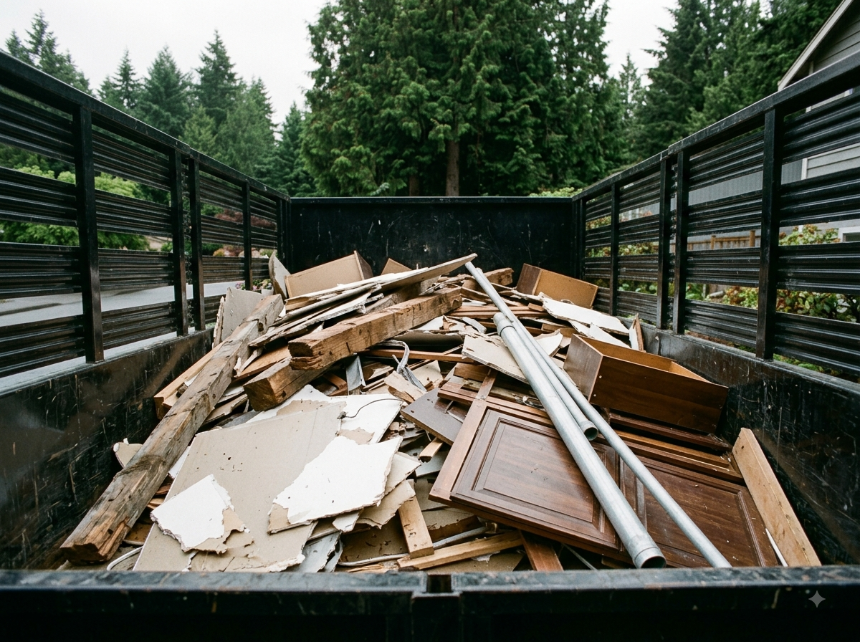

Construction and renovation projects generate large amounts of waste, from drywall and lumber to flooring, packaging and demolition materials. When debris accumulates around an active worksite, it can restrict access, slow down progress and make it harder for contractors to prepare for the next stage. Professional construction debris removal helps keep projects organised by clearing unwanted materials from the site. For builders, remodelers and commercial contractors, reliable commercial debris removal services can make it easier to maintain a workable environment and keep trades moving across Seattle, Bellevue and the Eastside.
Why Construction Sites Need Regular Debris Removal
Construction waste is a normal part of building, remodelling and demolition work. However, leaving materials scattered around a jobsite can create unnecessary problems for workers and project managers.
Piles of drywall, timber, flooring and packaging can occupy valuable working space. They may also block walkways, interfere with material deliveries and make it difficult for other trades to access the areas they need.
Regular debris removal offers several practical benefits:
- Keeps work areas clearer and easier to navigate
- Helps trades access rooms and work zones
- Creates space for incoming materials and equipment
- Reduces clutter around active construction areas
- Supports a more organised project schedule
- Makes site cleanup easier as work progresses
A planned removal schedule can help contractors avoid waiting until the end of a project to deal with accumulated waste.
What Types of Construction Debris Can Be Removed?
Different projects produce different waste materials depending on the work being completed. A renovation may generate old flooring and drywall, while a larger construction or demolition project can involve substantial quantities of timber, fixtures and general building debris.
Common materials that may be accepted for collection include:
Drywall and plasterboard: Wall and ceiling renovations can leave behind broken drywall, offcuts and removed panels that need to be cleared from the work area.
Lumber and timber: Construction offcuts, damaged boards, framing scraps and unwanted wood can quickly accumulate during building projects.
Flooring materials: Removed carpet, timber flooring, laminate, tiles and other accepted flooring waste can take up considerable space during renovations.
Demolition debris: General non-hazardous materials from interior demolition, remodelling and property improvements may require collection and appropriate disposal.
Packaging and general site waste: Cardboard, plastic wrapping and other accepted packaging materials can also build up as construction supplies arrive.
Accepted materials, loading requirements and disposal arrangements vary by provider. Contractors should confirm the waste types before scheduling a collection.
How Commercial Debris Removal Services Support Contractors
Construction projects often involve several trades working in sequence. Once one team finishes its part, the next contractor may need a clear and accessible area to begin work.
For example, after drywall removal or interior demolition, flooring installers, electricians, plumbers or other trades may need access to the same spaces. If waste remains on the floor, the next stage can become more difficult to organise.
Commercial debris removal services help contractors manage this transition by collecting agreed materials and clearing space for upcoming work.
This can be particularly useful for:
- Residential construction and renovation projects
- Commercial property improvements
- Office and retail fit-outs
- Interior demolition projects
- Flooring and drywall replacement
- Property refurbishment and maintenance
By arranging collection around project milestones, contractors can make waste management part of their overall job planning.
Plan Debris Removal Around Your Project Schedule
Every construction site has different access conditions, waste volumes and deadlines. Some projects generate debris gradually, while others produce large quantities during demolition or material replacement.
Before arranging removal, consider the following details:
- Identify the waste: Make a list of the materials that need to be collected.
- Estimate the volume: Provide an approximate amount so the provider can assess the job.
- Check site access: Explain parking arrangements, loading areas and any access restrictions.
- Choose a suitable collection time: Coordinate removal with the construction schedule and the next trade's requirements.
- Confirm accepted materials: Discuss any restricted or specialised waste before collection.
Good communication helps the removal team understand the site requirements and organise the work more efficiently. Scheduling and pricing may depend on debris volume, material type, access and location.
Handle Hazardous Construction Materials Separately
Not all construction waste can be treated as general debris. Materials such as asbestos, chemical containers, solvents, fuel, certain paints and contaminated waste may require specialised handling and disposal.
Contractors should identify potentially hazardous materials before work begins and follow applicable workplace safety and environmental regulations. Never mix restricted waste with ordinary construction debris without confirming the correct handling requirements.
Separating materials appropriately helps protect workers, supports responsible disposal and reduces the risk of collection delays.
Serving Seattle, Bellevue and the Eastside
Contractors working across Seattle, Bellevue and surrounding Eastside communities need practical solutions for managing debris throughout a project. Whether a job involves removing old flooring, clearing drywall offcuts or hauling general demolition waste, a dependable local collection service can help keep the site more organised.
When requesting an estimate, share the project location, waste types, estimated volume and preferred collection timing. Providing details about loading access and any site restrictions also helps establish the right arrangements.
Keep Your Construction Project Moving
A clean and accessible worksite makes it easier for contractors to complete tasks and prepare areas for the next stage of construction. Rather than allowing drywall, lumber, flooring and demolition debris to accumulate, plan regular removal as part of your project workflow.
With professional construction debris removal and commercial debris removal services, contractors across Seattle, Bellevue and the Eastside can get help clearing accepted site waste and creating room for the next trade. Organised waste management supports a smoother working environment and helps your project stay focused on its next milestone.