
Can White Hair Removal Provide Long-Term Hair Reduction?
White hair can be difficult to target with conventional laser hair removal because it contains little or no melanin. As a result, the possibility of long-term reduction depends heavily on whether the selected technology can effectively target the follicles despite the lack of pigment.
White and grey hair can be more challenging to remove than darker hair because they contain little or no melanin. Conventional laser hair removal relies largely on pigment within the hair as a target, so completely white hair may not respond in the same way as dark or pigmented hair. If you are considering White Hair Removal Dubai, it is important to understand that long-term hair reduction depends on the technology used, the characteristics of the hair, and how well the selected treatment can target the follicles.
Why Is Long-Term Reduction More Challenging for White Hair?Hair color comes from melanin, and hair becomes grey or white when the follicles produce less or no melanin. This lack of pigment can make white hair difficult for conventional laser systems to target effectively.
As a result, patients should not automatically expect white hair to respond like dark hair. The suitability of a particular treatment should be assessed before starting a course of sessions.
Can White Hair Be Permanently Reduced?The answer depends on the removal technology being used. Traditional laser hair removal generally works best when there is sufficient contrast between the hair and skin because the laser needs a suitable pigment target. The American Academy of Dermatology notes that hair color and thickness, treatment area, skin color, and laser type can all affect results.
For completely white hair, another hair-removal approach may therefore be considered when conventional laser treatment is unlikely to provide the desired response.
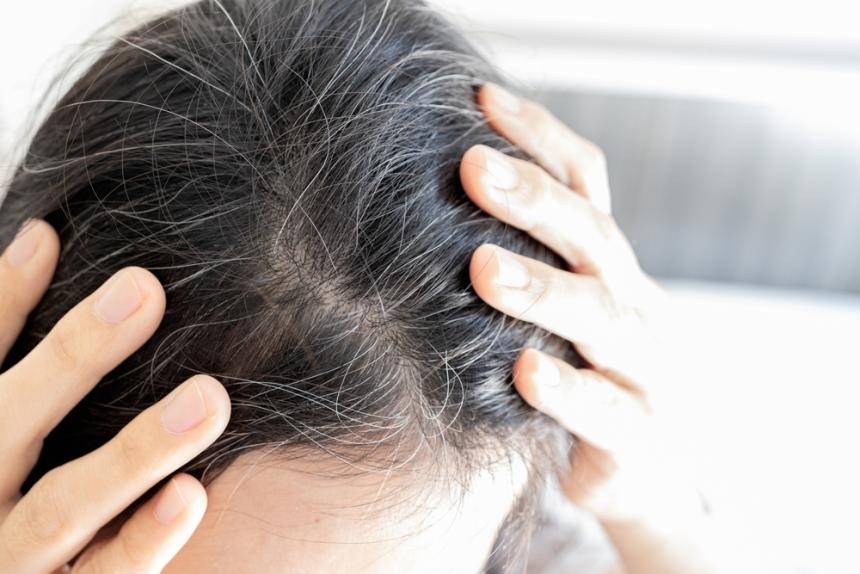
Does Grey Hair Respond Better Than Completely White Hair?Grey hair can contain varying amounts of remaining pigment. Some strands may be partially pigmented, while others may have little or no melanin.
This means that a person with mixed dark, grey, and white hair may experience different responses from individual strands. A professional assessment can help determine whether the remaining pigmentation is sufficient for the proposed technology.
How Does Treatment Technology Affect Results?The technology selected is an important consideration when dealing with very light-colored hair. Conventional laser systems depend on pigment, so they may have limitations when the target hair contains little melanin.
If a treatment method does not rely solely on hair pigment, it may be considered for suitable patients. The practitioner can explain how the selected technology works and whether it is appropriate for the individual's hair characteristics.
Can Multiple Sessions Improve Long-Term Reduction?When a suitable hair-removal technology is used, treatment is often performed as a series rather than relying on one appointment. Hair follicles go through different growth phases, which means not every hair is equally responsive at the same time.
For conventional laser hair removal, the AAD states that patients commonly require multiple treatments and may need maintenance treatments when some hair regrows.
However, the number of sessions required for white hair cannot be predicted without assessing the hair and treatment method.
What Happens to Hair After Treatment?When hair follicles respond successfully, the treated hair may become less noticeable over time. The amount of reduction varies between individuals and depends on the technology, hair characteristics, treatment area, and treatment plan.
Patients should therefore view the goal as progressive reduction rather than assuming that every treated white hair will disappear permanently after a fixed number of sessions.
Can New Hair Still Appear?Hair growth can change over time because follicles naturally move through different growth cycles. Hormonal factors and other individual characteristics can also influence hair growth.
Consequently, even after successful treatment, some new or previously untreated hairs may become visible. Follow-up or maintenance treatment may sometimes be appropriate depending on the method used.
Why Is a Professional Assessment Important?A consultation is particularly important when treating white or grey hair because the lack of pigment can affect the suitability of conventional laser treatment.
During an assessment, the practitioner can consider the hair color, thickness, density, treatment area, skin characteristics, and previous hair-removal methods. This helps determine whether the proposed technology has a realistic chance of producing the desired reduction.
Can Facial White Hair Be More Difficult to Manage?Facial hair can be particularly variable because growth patterns may differ between individuals. The upper lip, chin, cheeks, and other facial areas can contain a mixture of dark, grey, and white hairs.
A treatment plan should therefore account for the characteristics of the specific area rather than assuming that the same approach will work equally well everywhere.
What If Conventional Laser Is Not Suitable?If completely white hair does not provide enough pigment for a conventional laser to target effectively, a different hair-removal method may be discussed.
The appropriate alternative depends on the individual's circumstances and the treatment options available. Patients should have the limitations and expected results explained before choosing a procedure.
What Factors Influence Long-Term Results?Several factors can affect the outcome of a white-hair removal treatment, including:
- Hair color and remaining pigmentation
- Hair thickness and density
- Treatment area
- Selected technology
- Number of treatment sessions
- Individual hair-growth cycle
- Hormonal influences
- Response of the follicles to treatment
Considering these factors can help establish more realistic expectations about long-term hair reduction.
White Hair Removal at Dynamic Life ClinicAt Dynamic Life Clinic, patients can discuss concerns about unwanted white, grey, or light-colored hair during a personalized consultation. The hair and skin can be assessed before determining whether the proposed treatment approach is appropriate.
This individualized process can help clarify whether conventional laser treatment is suitable or whether another approach may be more appropriate for hair with little or no pigment.
What Should You Ask Before Treatment?Before beginning treatment, it can be helpful to ask:
- Can my white or grey hair be effectively targeted?
- Does the proposed technology rely on hair pigment?
- What level of long-term reduction is realistic?
- How many sessions might be required?
- Could some hairs respond differently from others?
- Will maintenance treatments potentially be needed?
- What alternative options are available if laser treatment is unsuitable?
These questions can help you understand the likely treatment pathway before committing to a course of sessions.
Setting Realistic ExpectationsLong-term hair reduction should not be confused with an immediate or guaranteed permanent removal of every strand. Even conventional laser hair removal can require multiple treatments and maintenance, while white hair presents an additional challenge because of its low pigment content. A realistic treatment plan should therefore be based on the individual's hair characteristics and the capabilities of the selected technology.
ConclusionWhite hair can be difficult to target with conventional laser hair removal because it contains little or no melanin. As a result, the possibility of long-term reduction depends heavily on whether the selected technology can effectively target the follicles despite the lack of pigment. A personalized assessment can help determine the most appropriate approach and establish realistic expectations. For individuals with a mixture of grey, white, and darker hairs, the response may also vary between strands, making individualized treatment planning especially important.
Furadeira de Impacto: Como Escolher, Utilizar e Aproveitar Seus Benefí...
Furadeira de Impacto: Como Escolher, Utilizar e Aproveitar Seus Benefícios