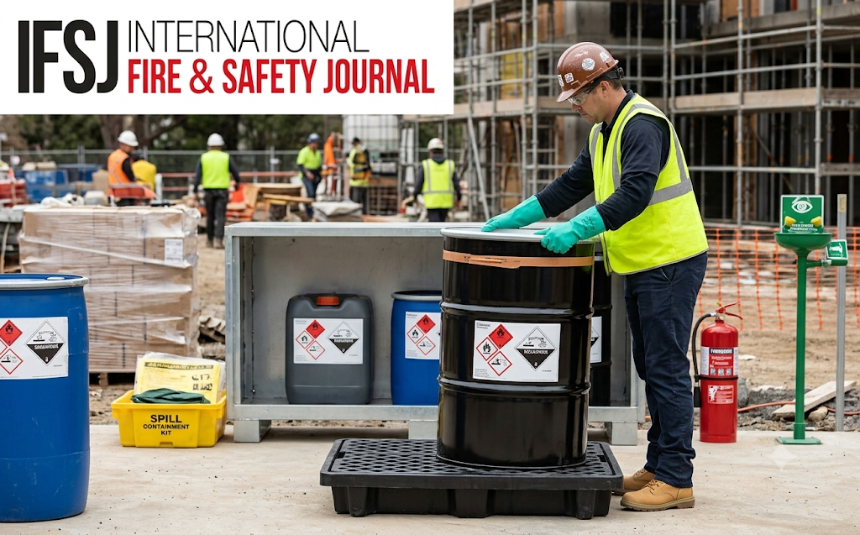

Beyond Safety Signs: How to Handle Hazardous Materials on a Construction Site Before Small Mistakes Become Major Incidents
Understanding how to handle hazardous materials on a construction site is essential for preventing accidental exposure, chemical spills, fires and environmental contamination.
Construction sites involve numerous materials that can create serious health and safety risks when they are not managed correctly. Chemicals, fuels, adhesives, solvents, paints and other potentially dangerous substances are regularly used during building activities. Although warning signs and protective equipment are important, effective safety management requires more than simply displaying hazard information.
A proactive approach to understanding how to handle hazardous materials on a construction site is essential for preventing accidental exposure, chemical spills, fires and environmental contamination. Even a minor mistake, such as leaving an unlabelled container near a working area, can create unexpected consequences for employees and contractors.
Effective safety management involves identifying dangerous substances, establishing safe handling procedures and ensuring workers understand the risks associated with their activities. Strong preparation can help construction teams maintain safer working conditions while reducing unnecessary project interruptions.
Identify Hidden Chemical Risks Before Work BeginsOne of the first steps in managing hazardous substances is understanding which materials are present on the construction site. Some chemicals have obvious warning labels, while others may be stored in containers that do not clearly communicate their contents.
Common hazardous materials include:
- Industrial cleaning chemicals
- Paints, coatings and solvents
- Petroleum products and fuels
- Cement and chemical additives
- Adhesives and sealants
- Corrosive substances
- Flammable liquids
Before beginning a task, supervisors should review material inventories and identify potential exposure risks.
Knowing how to handle hazardous materials on a construction site starts with understanding their chemical properties, possible health effects and appropriate handling requirements.
Improve Storage Practices to Prevent AccidentsImproper storage can increase the likelihood of chemical reactions, fires, leaks and accidental exposure. Hazardous substances should therefore be stored in designated locations that are suitable for their specific properties.
Flammable liquids should be kept away from ignition sources, while corrosive chemicals may require specialised containers and protective storage arrangements.
Construction teams should also consider:
- Keeping incompatible chemicals separated.
- Maintaining proper ventilation in storage areas.
- Using clearly labelled containers.
- Preventing unauthorised access.
- Inspecting containers for leaks or damage.
- Keeping storage areas free from unnecessary materials.
Storage arrangements should remain organised throughout the project rather than being treated as a one-time responsibility.
Establish Clear Handling ProceduresWorkers should understand the correct procedures before opening, transferring, mixing or applying hazardous substances. Handling requirements can differ significantly depending on the material involved.
For example, transferring a flammable solvent requires different precautions from handling a corrosive cleaning chemical.
A suitable procedure should explain the correct equipment, handling method, exposure controls and actions required if something goes wrong.
Safety Data Sheets provide important information about chemical properties, health risks, storage requirements and emergency measures.
When considering how to handle hazardous materials on a construction site, supervisors should ensure that these instructions are accessible and understood by everyone working with the substances.
Make Personal Protective Equipment a PriorityPersonal protective equipment helps reduce direct exposure when workers perform tasks involving hazardous substances.
Depending on the material and activity, appropriate equipment may include:
- Chemical-resistant gloves
- Safety goggles
- Protective clothing
- Respiratory protection
- Chemical-resistant footwear
- Face shields
However, protective equipment should not replace safer work practices or engineering controls. Ventilation, enclosed processes and suitable handling equipment can reduce exposure before PPE becomes necessary.
Workers should also be trained to inspect, wear, clean and replace protective equipment correctly.
Prevent Chemical Spills Through Regular InspectionsChemical spills can occur because of damaged containers, incorrect transfers, equipment failures or careless handling.
Regular inspections help identify potential problems before they develop into emergencies. Supervisors should check storage areas, transfer equipment, containers and workspaces for visible signs of deterioration or leakage.
Spill kits should be appropriate for the chemicals present on the site. Workers must know where emergency materials are located and which substances they are trained and authorised to handle.
An unknown or dangerous spill should not be approached without an appropriate risk assessment and response plan.
Build Awareness Through Practical Safety TrainingWritten procedures are useful, but workers also need practical knowledge to apply them correctly.
Training should cover chemical identification, hazard symbols, exposure prevention, safe storage, emergency communication and waste disposal.
Supervisors should provide additional instruction whenever new hazardous substances are introduced or work activities change.
Understanding how to handle hazardous materials on a construction site should be part of routine safety discussions rather than an occasional training exercise.
Create a Reliable Emergency Response PlanEven well-managed construction sites can experience unexpected incidents. A chemical exposure or spill can quickly affect workers and surrounding areas if the response is delayed.
Emergency procedures should identify evacuation routes, emergency contacts, first-aid arrangements and designated response responsibilities.
Workers should understand when to leave an affected area instead of attempting to control an incident themselves.
The response plan should also explain how to report incidents, isolate affected areas and arrange professional assistance.
ConclusionManaging hazardous substances requires continuous attention, practical procedures and effective communication. Warning signs alone cannot prevent accidents when workers lack the knowledge or equipment required to handle dangerous materials safely.
A combination of chemical identification, appropriate storage, employee training, regular inspections and emergency preparedness can significantly strengthen construction site safety.
For professionals following developments through the International Fire & Safety Journal, effective hazardous substance management remains an important consideration in improving workplace protection and reducing preventable incidents.
Frequently Asked Questions1. What are common hazardous materials found on construction sites?
Common examples include solvents, fuels, paints, adhesives, asbestos-containing materials, corrosive chemicals and certain cleaning products.
2. Why is proper chemical storage important?
Proper storage prevents leaks, accidental exposure, dangerous chemical reactions and fire-related incidents.
3. What PPE is required when handling hazardous materials?
Requirements depend on the substance and activity but may include chemical-resistant gloves, goggles, protective clothing and respiratory protection.
4. How should construction workers respond to a chemical spill?
Workers should follow the site emergency plan, avoid contact with the substance, isolate the affected area when safe and notify trained personnel.
5. How often should hazardous material safety training be provided?
Training should take place before workers handle hazardous substances and whenever materials, procedures or workplace conditions change. Refresher training should also be provided regularly.
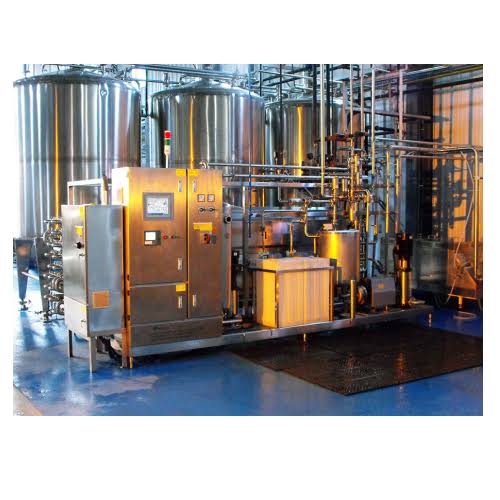
Oat Milk Manufacturing Plant Cost 2026: Setup Details, Capital Investm...

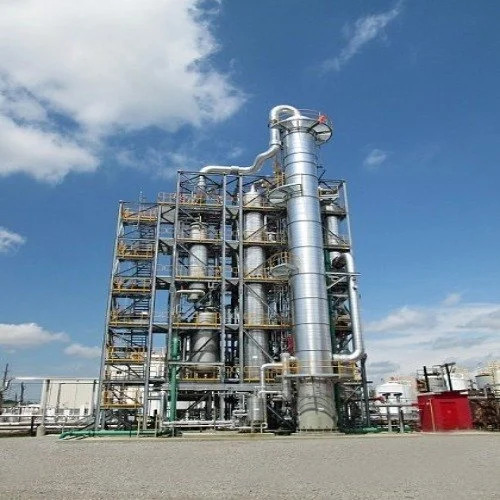
N-Butanol Production Plant Report 2026: Project Details, Machinery Req...

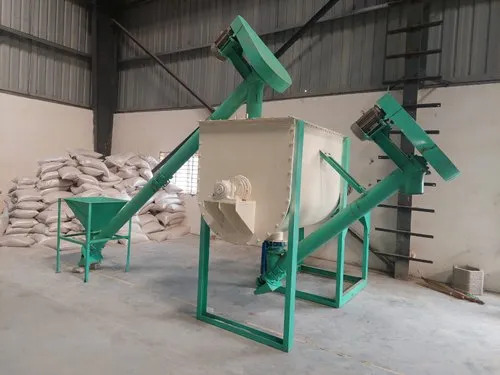
Tile Adhesive Production Plant Project Report 2026: Raw Materials, Mac...
