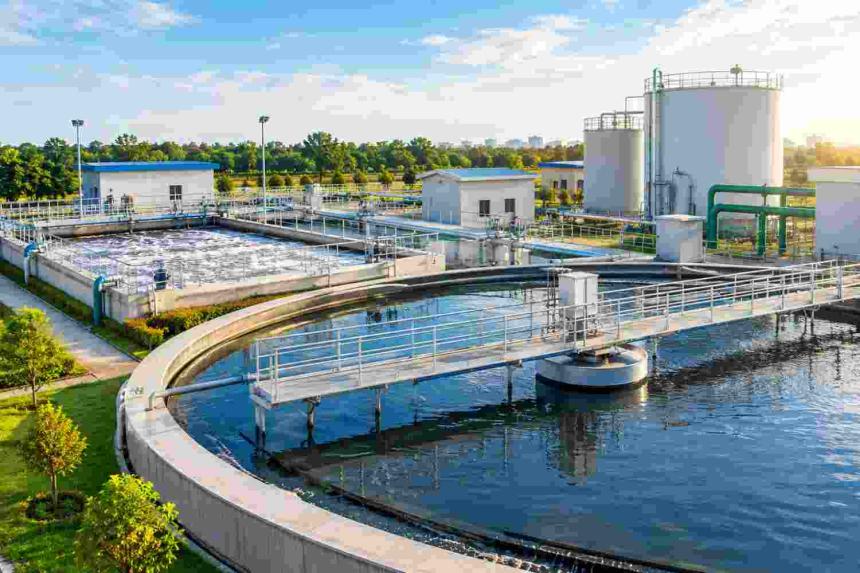

Advanced STP Technologies for Effective Wastewater Management
Explore advanced STP technologies, compare treatment types, and find the right sewage treatment plant services and solutions for your property.
STP technologies refer to the engineering systems and biological, chemical, or mechanical processes used in a sewage treatment plant (STP) to remove contaminants from wastewater before it's discharged or reused. Modern STP technologies combine screening, aeration, biological digestion, and disinfection to convert raw sewage into water safe for irrigation, industrial reuse, or safe environmental release. As urban populations grow and water scarcity increases, advanced STP technologies have become essential infrastructure for cities, industries, and residential complexes alike.
Why Does Wastewater Management Matter?Untreated sewage carries pathogens, heavy metals, and organic pollutants that contaminate groundwater and surface water. According to the U.S. Environmental Protection Agency, properly functioning treatment systems are critical to protecting public health and water resources (EPA – Wastewater Treatment). Effective wastewater management reduces waterborne disease risk, supports water recycling for agriculture and landscaping, and helps organizations meet environmental compliance standards.
What Are the Main Types of STP Technologies?Different STP technologies suit different flow volumes, budgets, and space constraints. Here's a comparison of the most widely used systems:
TechnologyBest ForKey AdvantageLimitationMBBR (Moving Bed Biofilm Reactor)Mid-to-large facilities, hotels, hospitalsCompact footprint, handles load fluctuations wellHigher initial equipment costSBR (Sequential Batch Reactor)Small to medium plantsSimple operation, flexible cyclesRequires skilled monitoringMBR (Membrane Bioreactor)High-reuse applicationsSuperior effluent quality, ideal for water recyclingHigher maintenance cost, membrane fouling riskASP (Activated Sludge Process)Municipal and large-scale plantsProven, cost-effective at scaleLarger land requirementFAB (Fluidized Aerobic Bioreactor)Residential societies, small industriesLow energy use, minimal sludgeLess effective for very high organic loadsEach of these technologies forms the backbone of modern sewage treatment plant services, and the right choice depends on wastewater volume, discharge standards, and available space.
How Do You Choose the Right Sewage Treatment Solutions for Your Property?Selecting among available sewage treatment solutions isn't one-size-fits-all. Consider the following before deciding:
- Daily wastewater volume – Estimate peak and average flow to size the plant correctly.
- Space availability – Compact technologies like MBBR or MBR suit sites with limited land.
- Reuse goals – If treated water will be reused for gardening or flushing, MBR typically delivers the cleanest output.
- Budget for operations – SBR and FAB systems generally have lower running costs.
- Regulatory discharge limits – Check local pollution control board norms before finalizing a technology.
- Sludge handling capacity – Some technologies generate more sludge, requiring additional disposal planning.
A short first-hand example: a mid-sized residential township switching from a conventional ASP unit to an MBBR-based plant typically sees reduced odor issues and a smaller treatment footprint within the same compound area — a common upgrade path many facility managers report when land is constrained.
What Do Professional Sewage Treatment Plant Services Include?Reliable sewage treatment plant services typically cover the full lifecycle of an STP, not just installation. This usually includes:
- Site assessment and technology selection based on flow rate and land constraints
- Design and civil/mechanical installation
- Commissioning and performance testing
- Routine operation and maintenance (O&M)
- Water quality testing and compliance reporting
- Sludge management and disposal
- Emergency repair and equipment upgrades
Choosing a provider that offers end-to-end sewage treatment solutions — rather than just equipment supply — reduces long-term downtime and compliance risk.
How Much Does an STP Cost to Install and Maintain?Costs vary significantly by capacity and technology:
- Small-capacity plants (residential, up to 50 KLD): Lower upfront cost, simpler O&M
- Mid-capacity plants (commercial complexes, 50–500 KLD): Moderate investment, technology-dependent
- Large-capacity plants (industrial/municipal, 500+ KLD): Higher capital cost but lower cost-per-liter treated
Operating expenses depend on energy consumption, chemical dosing, and staffing. Technologies like MBBR and FAB tend to have lower long-term operating costs due to reduced energy and manpower needs compared to conventional ASP systems.
Common Mistakes to Avoid- Undersizing the plant based only on current needs, ignoring future growth
- Skipping regular water quality testing
- Choosing the cheapest sewage treatment plant services without checking maintenance support
- Ignoring sludge disposal planning until it becomes a problem
- Not verifying compliance with local pollution control norms
What is the difference between STP and ETP?
An STP treats domestic sewage, while an ETP (Effluent Treatment Plant) treats industrial wastewater with chemical-specific contaminants.
Can treated STP water be reused?
Yes. Water treated through MBR or advanced tertiary treatment is commonly reused for irrigation, flushing, and landscaping.
How often should an STP be serviced?
Routine checks are typically needed daily to weekly, with deeper maintenance and desludging scheduled monthly or quarterly depending on load.
Which STP technology is most energy-efficient?
FAB and MBBR systems generally consume less energy than conventional ASP due to more efficient biofilm-based treatment.
ConclusionChoosing the right STP technologies determines not just regulatory compliance but also long-term operational cost and water reuse potential. Whether upgrading an existing facility or installing a new plant, working with experienced sewage treatment plant services ensures the chosen sewage treatment solutions match your site's flow, space, and sustainability goals.
¿Se Necesita Receta Médica para Comprar Kamagra 100 mg?
La necesidad de una receta depende de las leyes del país y de la clasificación del medicam...

Shop Quality Panerai Rubber Straps During Our Black Friday Sale

How Ground Conditions Influence Construction Equipment Selection

U4gm Hero Siege Rune Farming Guide for Faster Runs
Rune farming in Hero Siege is less about picking up everything and more about knowing what...