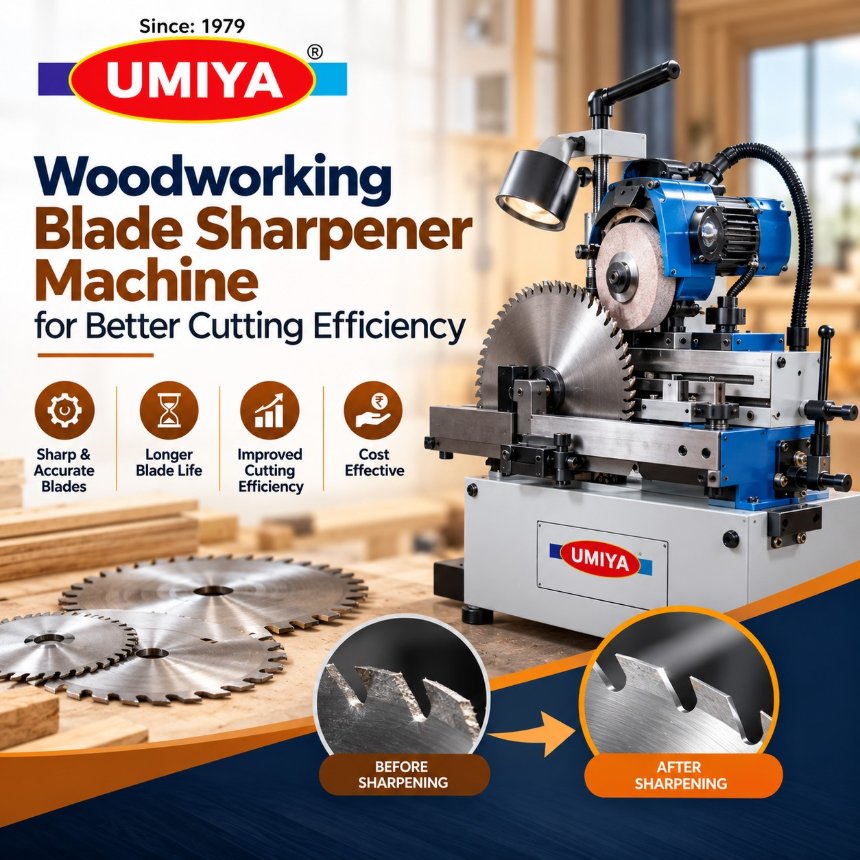

Woodworking Blade Sharpener Machine for Better Cutting Efficiency
Woodworking industries depend on sharp and well-maintained cutting blades to achieve precise results and maintain production efficiency. Over time, continuous cutting operations can cause blades to lose their sharpness, affecting cutting quality and increasing processing time. A Woodworking Blade Sharpener Machine helps restore blade sharpness and supports consistent cutting performance in woodworking applications. From furniture manufacturing to timber processing, maintaining cutting tools is essential for smooth production. Choosing suitable sharpening equipment can help businesses improve tool maintenance, reduce unnecessary blade replacement, and maintain the quality of finished products. What Is a Woodworking Blade Sharpener Machine? A Woodworking Blade Sharpener Machine is specialized equipment designed to sharpen cutting blades used in woodworking machinery. Depending on its configuration, it can support the sharpening of compatible saw blades and other cutting tools used in wood processing. The machine helps restore the cutting edge by removing a controlled amount of material during the sharpening process. Proper sharpening can improve cutting accuracy and support consistent performance when the blade is suitable for the application and maintained according to the manufacturer’s recommendations. Before purchasing, manufacturers should confirm blade compatibility, sharpening capacity, and the machine’s technical specifications. Benefits of Using a Woodworking Blade Sharpener Machine 1. Improved Cutting Efficiency Sharp blades can cut wood more effectively than worn or improperly maintained blades. A suitable sharpening machine helps maintain the cutting edge, supporting smoother cutting operations and efficient material processing. Regular blade maintenance also helps woodworking businesses maintain their production schedules. 2. Better Cutting Accuracy Precision is important when manufacturing furniture, wooden panels, cabinets, and other wood products. Properly sharpened blades can help produce cleaner cuts and consistent dimensions when used with correctly adjusted machinery. This can support better finishing quality and reduce defects caused by unsuitable cutting conditions. 3. Extended Blade Service Life Replacing cutting blades frequently can increase tooling expenses. Appropriate sharpening and maintenance can extend the useful life of compatible blades by restoring their cutting edges when they remain suitable for reuse. However, damaged blades or tools that have reached their service limits should be replaced according to the manufacturer’s instructions. 4. Reduced Tool Replacement Costs A suitable blade sharpening process can help businesses manage their tooling budgets. Instead of replacing every blade when it becomes dull, operators may be able to sharpen reusable blades and continue using them safely. Actual cost savings depend on blade condition, sharpening requirements, machine operating costs, and the replacement price of the cutting tools. 5. Consistent Woodworking Performance Regular tool maintenance supports consistent manufacturing operations. A properly maintained blade can help reduce cutting irregularities and support dependable results across suitable woodworking applications. Become a Medium member Businesses should combine sharpening with routine inspection, correct machine settings, and appropriate operating practices. Applications of Woodworking Blade Sharpening Machines Woodworking blade sharpening equipment is useful in industries where cutting tools require regular maintenance. Furniture Manufacturing: Supports the maintenance of compatible blades used for cutting wooden components. Saw Mills: Helps maintain suitable cutting blades used in timber processing. Plywood Production: Supports sharpening requirements for compatible blades used in wood panel manufacturing. Cabinet Manufacturing: Helps maintain cutting tools used to process wood panels and cabinet components. Woodworking Workshops: Provides a practical solution for maintaining reusable cutting blades. Timber Processing Units: Supports tool maintenance for businesses involved in processing wood materials. The exact applications depend on the machine’s design, supported blade types, and sharpening specifications. How to Choose the Right Woodworking Blade Sharpener Machine Selecting the right sharpening equipment requires careful evaluation of your tools, production needs, and operating environment. Blade Compatibility Identify the types of blades used in your woodworking operations. Check the supported blade diameter, thickness, tooth configuration, and other relevant specifications before selecting a machine. Not every sharpening machine is suitable for every type of woodworking blade. Sharpening Accuracy Consider the machine’s ability to maintain the required sharpening angles and cutting-edge geometry. Accurate sharpening helps maintain blade performance and supports consistent cutting results. Review the manufacturer’s technical specifications to understand the machine’s capabilities. Ease of Operation A practical machine design can simplify routine sharpening tasks. Consider the adjustment system, operating controls, setup requirements, and training needed for operators. Proper training is essential to achieve consistent sharpening results. Machine Construction and Durability Evaluate the machine’s construction, component quality, maintenance requirements, and suitability for regular industrial use. A machine selected according to actual production needs can support dependable operation and long-term tool maintenance. Maintenance and Technical Support Before purchasing, check the availability of spare parts, service assistance, and technical guidance. Reliable support can help businesses manage maintenance requirements and reduce unnecessary production interruptions. Best Practices for Maintaining Woodworking Blades Proper blade maintenance is essential for cutting quality and workplace safety. Operators should inspect blades regularly for wear, damage, and other defects before sharpening or reuse. Follow the blade and machine manufacturers’ instructions for sharpening angles, grinding methods, and operating limits. Keep sharpening equipment clean, use the recommended grinding components, and ensure that all guards and protective devices are in place. Never sharpen or reuse a blade that is damaged beyond the manufacturer’s permitted limits. Only trained personnel should operate sharpening machinery and perform blade maintenance. Why Invest in a Suitable Blade Sharpener Machine? For woodworking businesses, blade maintenance directly influences cutting performance, production consistency, and tooling expenses. A suitable sharpening machine can help maintain compatible blades, support efficient workshop operations, and reduce avoidable tool replacement. Before making an investment, compare machine specifications, supported blade types, sharpening accuracy, operating requirements, and after-sales service. This approach helps businesses select equipment that matches their production objectives. Conclusion A Woodworking Blade Sharpener Machine is a valuable tool for businesses that need to maintain cutting blades and support efficient woodworking operations. Proper sharpening can improve cutting performance, maintain accuracy, and extend the service life of compatible blades when they remain safe for reuse. When selecting sharpening equipment, businesses should evaluate blade compatibility, machine specifications, ease of operation, maintenance requirements, and technical support. Umiya Group can be contacted to explore available woodworking machinery and confirm suitable blade sharpening solutions for specific manufacturing requirements. Contact Information 📞 +91 98254 35242 📧 [email protected] 🌐https://umiyagroup.com/services/



Online Slot Game: A total Guidebook for you to Capabilities, Game play...
Online Slot Game: A total Guidebook for you to Capabilities, Game play, along with Tricks...

How to Choose the Right Plastic Surgeon in Chicago, IL
Choosing to undergo plastic surgery is a personal decision that deserves careful thought,...

From Environmental Audits to Remediation: How Best environmental engin...
This guide explains how Best Environmental Engineering Consultants help organizations mana...