
Why tourists book hunza tourist resort?
If you’ve ever spent time in northern Pakistan, you know Hunza isn’t just another valley it’s a place that sticks with you. I’ve guided friends, family, and travelers through Hunza for years, and the thing I notice most is how everyone seems to fall in love with it almost immediately.
If you’ve ever spent time in northern Pakistan, you know Hunza isn’t just another valley it’s a place that sticks with you. I’ve guided friends, family, and travelers through Hunza for years, and the thing I notice
most is how everyone seems to fall in love with it almost immediately.
Booking a Hunza tourist resort isn’t just about a bed for the night. It’s about tapping into a full experience, from breathtaking scenery to warm local culture, and honestly, most people who come here underestimate just how much planning matters to really enjoy it.
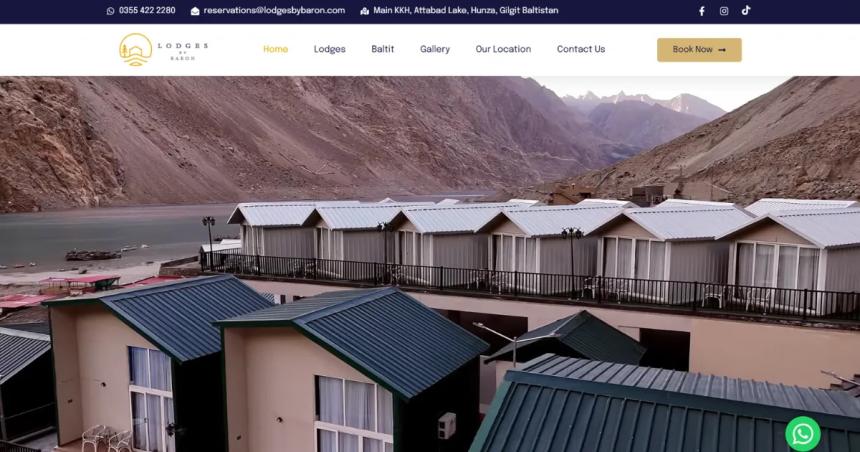
In my experience, Lodges by Baron and other resorts in Hunza serve as the perfect base for exploring the valley without feeling rushed or disconnected. People often ask why they should book a resort instead of just staying in guesthouses or small homestays. The answer is simple.
A Hunza tourist resort combines comfort, accessibility, and a touch of luxury that many solo travelers, families, or first-timers need. You wake up to panoramic mountain views, have your meals taken care of, and often find staff who have grown up in the region and know all the hidden spots. Without that, you
might miss out on some of the valley’s true charm.
I’ve seen travelers try to wing it with last-minute accommodation and end up in crowded, basic rooms far from the scenic spots they were hoping to see. A properly chosen Hunza tourist resort eliminates that stress. It’s not just about comfort it’s about maximizing your experience in a place where every hour counts.
From my perspective, the resorts in Hunza act as both a sanctuary and a launchpad, giving you a sense of calm while keeping you close to everything you want to see.
Scenic Beauty and Natural Attractions
Hunza valley is famously photogenic, but honestly, it’s even better in person. The Hunza tourist resort is usually located with some of the best views of the surrounding peaks. I remember one morning at a resort near Karimabad, stepping out onto the balcony and seeing Rakaposhi in all its glory, untouched by clouds. That view alone makes the early wake-up worth it.
One reason tourists book Hunza resorts is that these places are strategically placed near key Hunza attractions. You don’t have to drive hours just to see Attabad Lake or the Baltit Fort. In practice, this saves a lot of time and energy, especially if you’re not used to the winding mountain roads. Resorts often provide maps, insider tips, and sometimes even guided tours, which helps first-time visitors avoid the “where do we go next?” confusion.
The valley itself is incredibly diverse. In spring, apricot trees bloom, painting the hillsides pink and white. In autumn, the foliage turns golden and red, making photography almost irresistible. I’ve noticed that guests who stay in resorts during peak seasons tend to explore more because they have comfortable rooms to retreat to, recharge, and plan the next day. Unlike travelers who stay in isolated homestays, resort guests are more likely to see multiple Hunza attractions in a single visit because logistics are easier and the staff know the shortcuts.
Even small details matter. The positioning of the rooms in most resorts ensures that you can watch sunrise and sunset without climbing hills or waiting for tours. In my experience, this is often overlooked by tourists who try to book whatever is available. Seeing Hunza from a resort balcony with a cup of local tea in hand makes the scenery feel more immersive. It’s one thing to snap a photo from the road, and another entirely to watch the valley wake up while you’re cozy and comfortable.
Comfortable and Diverse Accommodation Options
Hunza valley resorts vary from traditional wooden lodges to modern, multi-story hotels. One thing I’ve learned is that the choice of resort can make or break your experience. Some travelers assume that all resorts are the same, but in practice, the difference in comfort, room views, and amenities is significant.
Families often choose resorts that provide larger rooms or suites because hiking up steep lanes with luggage is exhausting. Solo travelers sometimes prefer smaller, boutique-style resorts with personal touches. In either case, booking a Hunza tourist resort ensures a baseline of comfort you won’t get in random guesthouses. Practical things like heating in the winter, hot water, clean bathrooms, and reliable Wi-Fi even if intermittent matter more than people realize when they’re traveling in the mountains.
In my years of visiting Hunza, I’ve noticed that resorts often provide meal options that cater to international guests while still giving a taste of local cuisine. This makes a big difference, especially if you’re not confident navigating local eateries. You can enjoy fresh apricots, walnut bread, and Hunza-style chapshuro without the worry of whether the place meets your hygiene expectations. Resorts also allow you to customize your meals, which is a practical advantage for families with kids or dietary restrictions.
Some resorts also offer rooms with private terraces, panoramic glass windows, or even balconies with hammocks. From experience, these little perks matter more than they sound. They make lounging in the room a pleasurable part of the trip, rather than a simple stopover. Tourists often underestimate how much downtime in a resort adds to the overall enjoyment of Hunza travel.
Unique Culture and Warm Hospitality
One of the biggest draws of Hunza tourist resorts is the way they connect visitors to local culture. You’re not just in a valley; you’re in a community that has maintained traditions for centuries. Resort staff often double as informal cultural guides, helping you understand local customs, festivals, and food. In my experience, this hands-on approach is far more enriching than a standard tour guide who just rattles off historical facts.
Hospitality in Hunza is genuine. I’ve seen guests linger in resorts longer than planned simply because the hosts made them feel at home. For instance, one evening, a family staying at a small Hunza valley resort was invited to join a local music session. They ended up dancing with the locals, which they later said was the highlight of their trip. This kind of experience rarely happens in big city hotels, and it’s part of why tourists are willing to spend a bit more for a resort experience in Hunza.
Understanding local culture also helps travelers avoid common mistakes. For example, wearing overly casual clothing or ignoring local etiquette can be awkward in villages outside the resort. Resort staff usually guide visitors subtly, making cultural immersion smoother and more enjoyable. It’s a side benefit that many first-time tourists don’t anticipate, but it ends up enhancing the overall trip.
Adventure and Activities
Hunza isn’t just about sitting back and enjoying the view. Adventure is part of the draw, and the resorts often serve as a hub for these activities. From my experience, tourists book Hunza tourist resorts because they want convenience combined with access to Hunza adventure without the hassle of planning every detail themselves.
Popular activities include trekking, mountain biking, jeep safaris, and river rafting. A lot of tourists assume these require complicated logistics, but resorts often have partnerships with local guides and rental services. You can sign up for an early morning trek, have your lunch packed, and get back to your room for a hot shower. I’ve guided a few friends through treks from Hunza resorts and noticed that having a reliable base makes these physically demanding activities much more manageable.
Even less intense adventures, like exploring local orchards or visiting the traditional craft markets, become more accessible when you have resort staff coordinating transport or timing. Some resorts also organize cultural nights or local storytelling sessions, which add layers to your experience without extra effort.
From my observations, guests who skip resorts and try to self-organize often miss out on the timing of seasonal activities. For example, apricot blossom season is short, and knowing exactly when to go and where to park is critical. Resort staff have this knowledge baked in, which is invaluable for tourists who want to make the most of their stay.
Seasonal Appeal
Hunza valley has a reason for being called the jewel of the north. The valley changes dramatically with the seasons, and choosing the right time to visit is part of the experience. Resorts are fully aware of this and adjust their offerings accordingly.
Spring and summer attract travelers for flowers, green valleys, and pleasant temperatures. Autumn draws photographers and nature lovers who want the golden foliage. Winter is quieter, but if you’re prepared, the snow-covered peaks are breathtaking. Resorts often have seasonal menus, activity suggestions, and room pricing that reflect these shifts. I’ve noticed tourists who visit without checking seasons often complain about missing certain views or activities, which is easily avoided by booking the right time through a Hunza tourist resort.
Booking a resort in advance also lets you secure rooms with the best views in peak season. In my experience, trying to find accommodation last-minute during high season leads to compromises on location, view, and comfort. A resort ensures you can plan your visit around the natural beauty rather than settle for what’s left.
Safety and Peaceful Environment
One reason tourists book Hunza tourist resorts is safety. The valley is generally safe, but the terrain is challenging. Having a central, reliable place to stay reduces risks associated with remote travel, such as getting lost, facing sudden weather changes, or struggling with limited facilities.
Resorts usually have basic medical support, emergency contacts, and staff trained to handle sudden situations. I’ve seen cases where a tourist fell ill after a trek, and having a resort base made it simple to get them care quickly. Peace of mind is underrated, but it’s a major factor in why people consistently choose resorts over independent stays.
Additionally, resorts provide a peaceful environment where you can genuinely relax. Even if the valley outside is bustling with tourists, being in a resort often means quieter rooms, private gardens, and controlled access to main roads. I’ve noticed that this controlled peace contributes a lot to the overall
enjoyment of Hunza travel.
Practical Reasons to Book in Advance
Booking a Hunza tourist resort in advance is almost always better than last-minute decisions. Rooms fill up quickly, especially in peak seasons like spring and autumn. From personal experience, I’ve seen travelers show up and be forced to compromise on location or even resort type, which affects their entire trip.
Advance booking also allows you to request rooms with the best views, plan activities with the resort’s guidance, and sometimes even negotiate better rates. Resorts often offer packages that include sightseeing or adventure activities, and those slots disappear fast. I’ve learned that planning a few weeks ahead not only guarantees a comfortable stay but also opens doors to experiences you might otherwise miss.
Finally, booking early helps with transportation logistics. Getting to Hunza can be challenging, and arranging pickups or drop-offs through the resort reduces stress. For tourists unfamiliar with the winding mountain roads, this is a huge practical advantage.
Conclusion
In the end, tourists book Hunza tourist resorts for a combination of factors that go beyond just a place to sleep. Scenic beauty, practical location, cultural immersion, adventure options, and a peaceful environment all contribute to the experience. From my perspective, resorts act as both a comfortable base and a guide to unlocking the valley’s full potential.
If you want to experience Hunza travel in a way that feels effortless yet authentic, a well-chosen resort makes all the difference. It’s about being prepared, having support, and ensuring that you can enjoy Hunza attractions fully without unnecessary stress. The value isn’t just in the room it’s in the experiences, the convenience, and the memories you take home.
FAQS
What makes Hunza tourist resorts different from guesthouses or homestays?
From my experience, the main difference is more than just comfort it’s about reliability and convenience. Guesthouses and homestays can give you a local, intimate experience, but they often lack consistent amenities such as heating, hot water, or regular meals. Resorts guarantee a certain standard of comfort, which matters a lot in a mountainous region like Hunza, where unpredictable weather and long travel days can leave you exhausted.
Another key difference is location. Resorts are usually positioned near major Hunza attractions, so you don’t spend hours navigating winding roads to see Baltit Fort or Attabad Lake. Staff are trained to guide you practically, giving you tips on the best times to visit sites, how to avoid crowds, and which routes are safest. Guesthouses may offer local flavor, but they rarely provide this level of guidance, which can be crucial for first-time visitors. Additionally, resorts often organize activities and sightseeing packages, making it easier to enjoy Hunza attractions without the stress of planning everything yourself.
How do I choose the right Hunza tourist resort for my trip?
Choosing the right resort depends on your priorities, and I’ve seen travelers make avoidable mistakes when they don’t think beyond price. If scenic views matter most, request a room facing the valley or the surrounding peaks. Families should prioritize larger rooms and safety features, while solo travelers or couples may prefer boutique resorts with personalized service. Even small extras like a balcony, terrace, or lounge area can make your stay more comfortable and enjoyable.
It’s also practical to check facilities like heating, Wi-Fi, and meal options. Don’t rely solely on online reviews; talking to someone who has actually visited can give better insight into day-to-day experiences. For instance, a resort may advertise “mountain views,” but in reality, only certain rooms have unobstructed sightlines. In my experience, asking questions in advance about these details saves a lot of disappointment and ensures your stay matches your expectations.
Are Hunza tourist resorts suitable year-round?
Yes, but with some caveats. Each season in Hunza offers a distinct experience, and resorts adapt their offerings accordingly. Spring and summer are perfect for greenery, blooming orchards, and comfortable temperatures, while autumn brings golden foliage ideal for photography. Winter is quieter, with snow-covered peaks that are breathtaking if you’re prepared. However, some resorts limit services during harsh winter months, so it’s essential to confirm what’s available before booking.
From practical experience, visiting Hunza in winter without adequate heating, warm bedding, and proper clothing can turn an enjoyable trip into a struggle. Roads may also be more challenging, and some activities may be restricted. By contrast, resorts provide structured support, heating, and guidance to make year-round visits manageable. I’ve seen tourists who prepared correctly for each season enjoy experiences that were both unique and comfortable, while those who underestimated conditions faced unnecessary stress.
What are the most popular activities organized through resorts?
Hunza tourist resorts usually offer a range of activities that make it easy to explore the valley fully. Treks, jeep safaris, and visits to Baltit and Altit forts are staples, and many resorts provide transport, guides, and even packed lunches for longer trips. These activities are often timed perfectly to avoid crowds or capture the best lighting for photography. From my experience, travelers who rely on resorts for adventure logistics tend to see more of Hunza without the frustration of figuring out routes, parking, or local regulations.
Resorts also offer lighter adventures and cultural experiences, such as village visits, local craft markets, and music or storytelling nights. These options provide a deeper understanding of Hunza culture without needing prior knowledge or connections. I’ve noticed that guests who use resort-organized activities often experience a richer blend of nature, adventure, and culture, making their stay far more rewarding than if they tried to plan everything independently.
How far in advance should I book a Hunza tourist resort?
Ideally, booking a few weeks to a couple of months in advance ensures you have access to the best rooms, views, and services. During peak seasons like spring and autumn, resorts fill up quickly, and last-minute bookings can force compromises on location, comfort, or even room type. From my experience, even a week’s notice can be risky if you’re particular about views or want access to organized activities, which are limited in capacity.
Advance booking also allows you to request special arrangements, such as private tours, specific meal preferences, or rooms with terraces overlooking the valley. It also simplifies transportation planning, as some resorts offer pickups from nearby towns or transit hubs. I’ve seen travelers who planned in advance enjoy a smoother, more relaxing experience, while those who booked at the last minute often had to juggle logistics and missed opportunities for seasonal activities.



Buy Verified Easybit Accounts - 100% Real And KYC Verified

Buy Verified Binance Account -Best Cryptocurrency Trading

Buy Old Twitter Accounts Full DM Verified USA, UK Account, High Qualit...

Buy Verified ByBiT Accounts-100% KYC-Verified Accounts