Why Residential Insulation Is Key to Home Comfort
This article explains how insulation contributes to comfort, energy savings, and overall home performance.
Homeowners often focus on HVAC systems, windows, or appliances when trying to improve comfort, but one component affects them all: insulation. When properly installed and maintained, residential insulation provides year-round benefits by keeping heat where it belongs—inside during winter and outside during summer.
This article explains how insulation contributes to comfort, energy savings, and overall home performance. We’ll look at the ways insulation impacts temperature regulation, moisture control, sound reduction, and utility costs, so you can better understand its role in a well-functioning home.
Stable Indoor Temperatures Year-Round
One of the most noticeable benefits of quality insulation is consistent indoor temperature control, regardless of outdoor conditions.
Minimizing Heat Loss and Heat Gain
Insulation works by resisting the flow of heat. In winter, it helps retain indoor warmth, while in summer, it blocks external heat from entering. The better the insulation’s thermal resistance (its R-value), the more effectively it maintains desired temperatures.
- Attics and crawl spaces are critical areas for temperature regulation.
- Poorly insulated walls and ceilings allow conditioned air to escape.
- Gaps or thin insulation layers lead to hot or cold spots in rooms.
A properly insulated home creates a stable indoor environment, making each room more comfortable without overworking your HVAC system.

Lower Utility Bills Without Sacrificing Comfort
Many homeowners see improved comfort and reduced energy use after upgrading their insulation—without needing to adjust thermostats constantly.
Energy Efficiency and Reduced HVAC Usage
Insulation reduces the demand on your heating and cooling system. When less energy is needed to keep your home at a consistent temperature, your monthly utility bills go down.
- Heating and cooling make up around 50–70% of residential energy use.
- An insulation upgrade can reduce total energy consumption by 15% to 25%.
- HVAC systems last longer when they run fewer cycles.
Upgraded insulation pays off quickly, especially in climates with significant seasonal variation.
Indoor Air Quality and Moisture Control
Insulation isn’t just about temperature—it helps manage airflow and moisture, both of which impact indoor air quality.
Air Sealing and Vapor Barriers
Proper insulation installation includes sealing gaps around pipes, vents, and wiring. This prevents drafts and reduces the infiltration of pollutants, allergens, and outdoor air.
- Sealing also stops humid air from entering in summer or escaping in winter.
- Reducing condensation helps prevent mold and mildew, especially in basements and attics.
- Spray foam and rigid foam boards can act as both insulation and air barriers.
Combined with a balanced ventilation system, insulation supports cleaner, healthier air inside your home.
Sound Dampening for a Quieter Living Space
Insulation helps create a quieter home by absorbing and blocking sound transmission through walls, ceilings, and floors.
Noise Reduction Between Rooms and Floors
Insulated interior walls can significantly reduce sound transfer between living areas. This is especially useful in:
- Multi-level homes
- Houses with home offices or media rooms
- Bedrooms near living or utility areas
Fiberglass batts and mineral wool are particularly effective for sound insulation, as they trap airborne noise in wall cavities.
Better Comfort in Older Homes After Retrofits
Older homes were often built with minimal insulation or outdated materials. Retrofitting can greatly enhance comfort and performance.
Where Insulation Makes the Biggest Impact
For older properties, key insulation upgrades often include:
- Attic insulation: Reduces upward heat loss and solar heat gain through the roof.
- Wall cavity insulation: Can be added with blown-in cellulose or injection foam.
- Basement and crawl space insulation: Improves thermal performance and reduces drafts on the first floor.
These upgrades not only improve comfort but can modernize your home’s energy profile without major renovations.
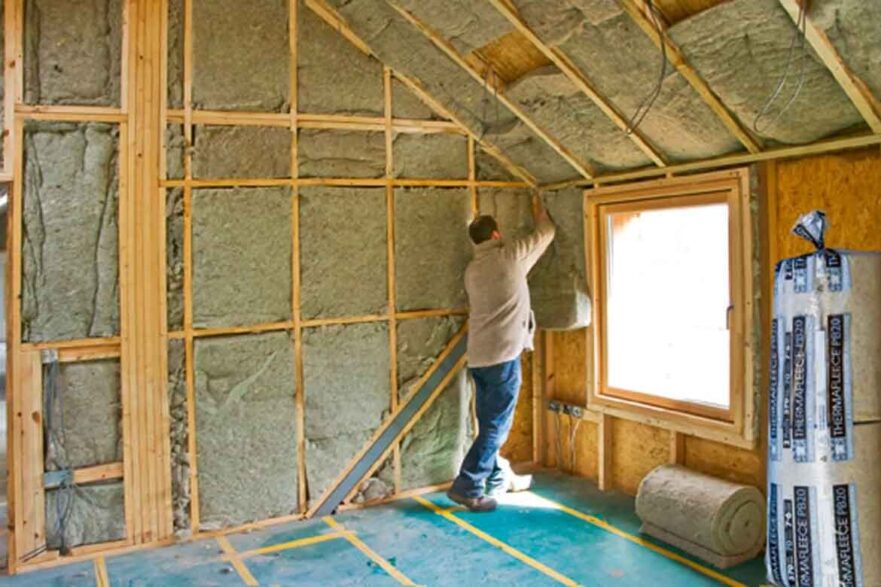
Insulation Type Comparison
Different areas of the home require different materials based on accessibility, climate, and budget.
Matching the right material to each space maximizes performance and value.
Common QuestionsDoes more insulation always mean better performance?
Not necessarily. Performance depends on proper installation and sealing, not just R-value. Adding insulation without addressing air leaks may still leave comfort issues unresolved.
Can insulation help during power outages?
Yes. Insulation slows the rate at which a home loses or gains heat. In winter, this keeps the home warmer for longer during an outage. In summer, it can prevent overheating while the power is out.
How do I know if my home needs more insulation?
Uneven temperatures, high energy bills, drafts, and cold floors or walls are common signs. A home energy audit can help identify problem areas and insulation deficiencies.
Is insulation affected by moisture or pests?
Yes. Moisture reduces R-value and can lead to mold. Rodents and insects sometimes nest in loose-fill or batt insulation, damaging its effectiveness. Air sealing and material choice help mitigate these issues.
Conclusion
Residential insulation plays a foundational role in maintaining comfort, improving energy efficiency, and protecting indoor air quality. Whether you're dealing with temperature swings, noisy rooms, or rising energy bills, insulation upgrades offer a targeted solution that affects nearly every part of your home's performance.
When properly selected and installed, insulation works quietly behind the scenes—keeping your home stable, efficient, and comfortable no matter the season. It’s one of the most effective long-term investments homeowners can make for both comfort and cost savings.
FAQs
How often should residential insulation be replaced?
Insulation can last 20–30 years, but performance may decline due to settling, moisture, or damage. Inspect every 5–10 years, especially in attics and crawl spaces.
Can insulation be added without removing walls?
Yes. Blown-in cellulose or injection foam can be installed through small holes in exterior or interior walls, preserving finishes while improving thermal performance.
Does insulation affect home resale value?
Yes. Energy-efficient homes with good insulation appeal to buyers. Improved comfort, lower utility bills, and better indoor air quality are key selling points.
Is spray foam safe for indoor use?
When installed correctly by trained professionals, spray foam is safe and effective. It must be applied with proper ventilation and allowed to cure before occupancy.
What’s the best insulation for cold climates?
Closed-cell spray foam and high-R-value batts (R-38 or higher) are effective in colder regions. Attics and basements are key focus areas for winter performance.
Author: Rene Zamarripa, spray foam installer and owner, began in the insulation industry in 2008 with Key Insulation in San Antonio. After 17 years of hands-on experience, now owns a successful insulation company with aspirations to franchise. Knowledgeable in R-values, insulation processes, and various components used in both residential and commercial applications. Experienced in identifying the right insulation solutions for different structures, including spray foam, fiberglass, and cellulose. Trained in operating spray foam rigs, managing temperature and pressure settings, ensuring proper material mix, and following safety standards. Understands the technical and practical skills required to deliver consistent, high-quality insulation and guide others in the trade.
Reviewer: With over 13 years in spray foam insulation, Benjamin Lee reviewed this content and offered feedback aimed at helping growing businesses connect with local homeowners and commercial clients more effectively.