Why Proper Ventilation Matters When Adding New Attic Insulation
This is the attic system that most people are familiar with.
Proper ventilation is essential when adding new attic insulation because insulation and ventilation are two parts of a single system designed to control a home's temperature and moisture levels. How that system should be designed depends entirely on where the new insulation is installed. In a traditional "vented" attic, where insulation is on the attic floor, a continuous flow of outside air is needed to exhaust heat and moisture. However, in a modern "unvented" attic, where insulation is applied to the roofline, all vents must be sealed to create a conditioned space. Ignoring ventilation or getting it wrong can lead to wasted energy, moisture damage, and a failed insulation system.
The two professional attic insulation strategies have very different ventilation requirements. Understanding this relationship is critical for any homeowner considering an attic upgrade. The information is based on the principles of building science and the practical experience of home performance experts who work in the mixed-humid climate of North Carolina.
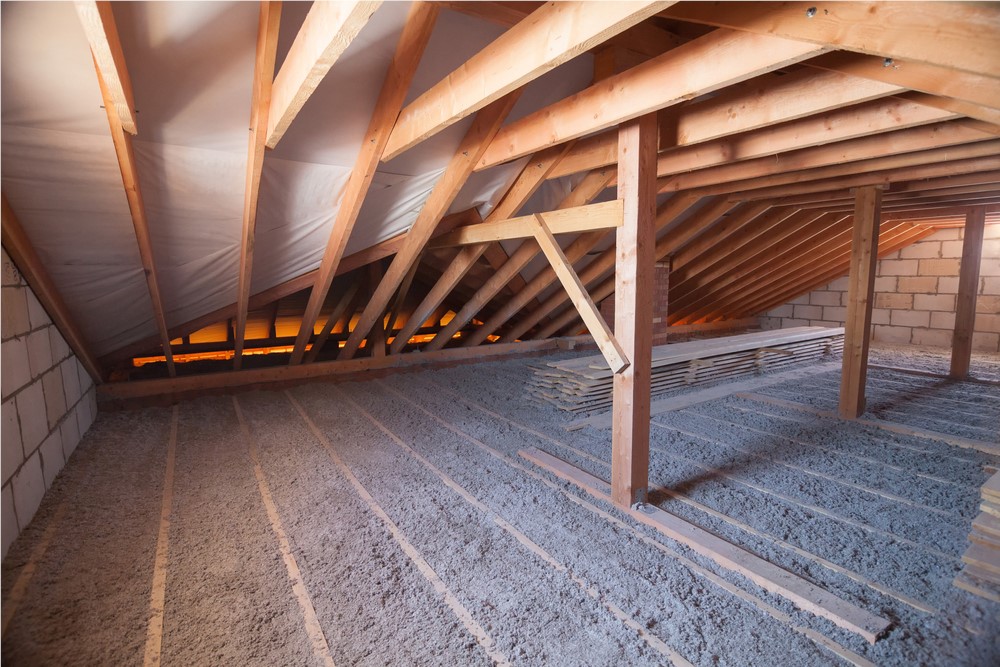
The Traditional Vented Attic A System in BalanceThis is the attic system that most people are familiar with. A thick blanket of insulation, usually blown-in fiberglass or cellulose, is installed on the attic floor. The attic space itself is kept outside the home's thermal boundary. For this system to work correctly, it relies on a balanced flow of air.
- Intake: Cool, fresh air enters the attic through vents located low down on the roof, typically in the soffits (the underside of the roof eaves).
- Exhaust: As the air warms up inside the attic, it rises and exits through vents located at or near the roof's peak, like a ridge vent or gable vents.
This constant, passive airflow is crucial for two main reasons.
- Summer Heat Removal: In a hot Raleigh summer, the sun can heat a roof to over 150°F. Without ventilation, the attic becomes a radiant oven, pushing intense heat down through the insulation and forcing the air conditioner to run nonstop. Ventilation allows this superheated air to escape, keeping the attic much closer to the ambient outside temperature.
- Winter Moisture Control: In winter, warm, moist air from the living space can leak into the cold attic. If this humid air is trapped, it will condense on the cold surfaces of the roof sheathing and framing, leading to wood rot and mold. Ventilation allows this moisture to be safely carried outside before it can cause damage.
When adding new insulation to a vented attic, it is an absolute requirement to install insulation baffles at the eaves. These simple channels ensure that the new, deep layer of insulation does not cover the soffit vents and cut off the attic's air supply. This is one of the most common and damaging mistakes in a DIY or amateur insulation job.
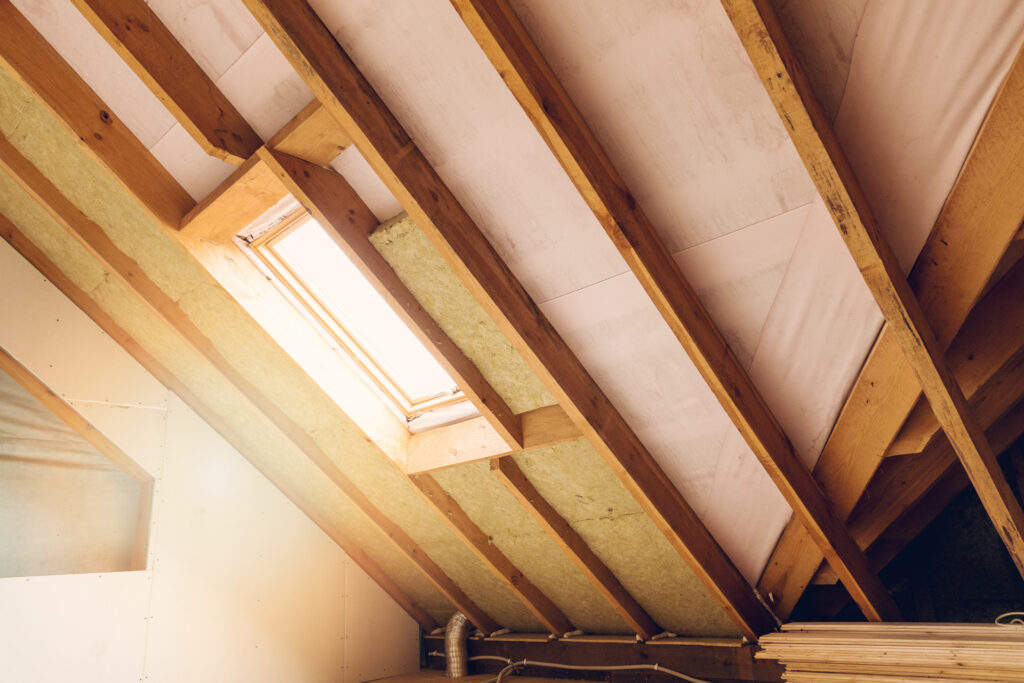
A different and often higher-performing strategy is to create an unvented, or "conditioned," attic. In this approach, the insulation is moved from the attic floor to the underside of the roof deck. This is almost always done with spray foam insulation because of its ability to create a perfect, airtight seal directly on the sheathing.
When an attic is insulated at the roofline, the attic space is now inside the home's thermal and air boundary. It becomes part of the conditioned home, just like a bedroom or hallway. For this system to work, all attic ventilation must be completely and permanently sealed off. The attic is no longer intended to be connected to the outdoors.
This approach offers several powerful advantages:
- Protects HVAC Equipment: If the home's air handler or ductwork is located in the attic, an unvented system is a huge upgrade. The equipment is no longer operating in an extremely hot or cold environment, which can improve HVAC efficiency by 20% or more and extend the life of the system.
- Eliminates Air Leakage: It seals all the air leaks at the roof level, which is often easier and more effective than trying to seal the hundreds of small penetrations in the attic floor.
- Creates Usable Space: The attic becomes a clean, temperate space that can be used for storage without fear of items being damaged by extreme heat.
The decision between a vented and an unvented attic is a fundamental one that will define the performance of your home for decades.
- HVAC Location: This is the most important factor. If your ductwork or air handler is in the attic, the energy penalty of leaving it in a vented space is enormous. In this case, converting to an unvented, conditioned attic with spray foam will almost always provide the best return on investment.
- Your Budget: Upgrading a vented attic by air sealing the floor and adding more blown-in insulation is typically the lower-cost option. A full conversion to an unvented attic is a larger investment but can provide greater long-term savings and comfort.
- Roof Condition: Before sealing up your attic by spraying foam on the roof deck, it's wise to ensure your roof is in good shape with plenty of life left. While you can re-roof a home with an unvented attic, it's best to take care of any known roofing issues first.
This is a persistent myth. Extensive studies by building science organizations and roofing manufacturers have shown that the color of the shingle and its direct exposure to the sun have a far greater impact on its temperature than the ventilation method underneath. Most major shingle manufacturers approve their warranties for use over unvented attics.
What if my house doesn't have any soffit vents?This is common in some older homes. If you want to maintain a vented attic, a professional roofer or insulation contractor can install other types of intake vents, like edge vents or through-roof vents. However, a lack of existing vents might make a conversion to an unvented system an even more attractive option.
Can I just block my vents in the winter and open them in the summer?No. This is a bad idea that can lead to moisture problems. A vented attic needs to be vented year-round to allow moisture to escape in the winter. You must commit to one strategy or the other full-time.
My attic has a powered fan. Is that helping?In most cases, powered attic ventilators (PAVs) do more harm than good. They use energy to run, and they can create a strong negative pressure that actually pulls your expensive, conditioned air from the house up into the attic through ceiling leaks. A well-balanced passive ventilation system is far more effective.
What is the most common ventilation mistake?The most common mistake is having exhaust vents (like a ridge vent) without having enough matching intake vents (in the soffits). Without a balanced supply of intake air, the exhaust vents cannot function properly, and the attic will not be effectively ventilated.
A System That Works TogetherThese common questions highlight just how interconnected these systems are. Spray foam insulation and ventilation are truly a team. When they are designed to work together correctly, they create a home that is comfortable, energy-efficient, and durable. By understanding the two distinct strategies for managing an attic, homeowners can make an informed choice that is right for their home, their budget, and their long-term goals.
Get an Expert Assessment of Your Attic SystemSince every attic is a unique system, the best way to determine the correct insulation and ventilation strategy is to get a professional evaluation. For homeowners in the Raleigh area, an expert can assess a home's construction, HVAC layout, and current conditions to provide a clear and effective recommendation. The team at Raleigh Excel Spray Foam Insulation are building science experts who specialize in creating high-performance attic systems. They can be reached for a comprehensive consultation by email at info@raleighexcelsprayfoam.com or by phone at (919) 301-9435.}
Reviewer: With nearly a decade in the spray foam insulation field, William Harris reviewed this post and provided guidance that reflects both technical understanding and real-world marketing experience