Why Modern Airless-Seal Technology Is Changing Tyre Safety
Tyre technology has evolved significantly over the years, with innovations focused on improving safety, durability, and driving performance. Among the most impactful advancements is modern airless-seal technology, which has transformed the way tyres respond to punctures and pressure loss. Designed to provide greater reliability and reduce the risks associated with sudden deflation, this technology is becoming increasingly important for today's drivers. As road safety remains a top priority, understanding how airless-seal systems work and their relationship with tubeless tyre design and proper tyre pressure management can help vehicle owners make informed decisions.

Understanding Airless-Seal Technology
Airless-seal technology refers to advanced tyre systems that incorporate a special sealing layer inside the tyre. When a puncture occurs, this layer automatically seals small penetrations caused by objects such as nails or screws.
Unlike traditional tyre designs that may lose air rapidly after damage, these systems help maintain inflation levels and allow drivers to continue their journey safely. The technology has become a significant development in modern tyre engineering because it addresses one of the most common causes of roadside emergencies.
How Airless-Seal Systems WorkSelf-Sealing Mechanism
The core feature of airless-seal technology is its self-sealing compound. When a sharp object penetrates the tread area, the sealant material surrounds the object and prevents substantial air leakage.
If the object is removed, the sealing layer continues to close the puncture, minimizing pressure loss.
Maintaining Operational Safety
By slowing or preventing air loss, the tyre remains functional for longer periods after a puncture. This provides drivers with additional time to reach a service center without facing an immediate safety risk.
The ability to preserve tyre pressure during unexpected punctures is one of the key reasons this technology is gaining widespread attention.
The Evolution of Tyre SafetyFrom Traditional Designs to Advanced Protection
Historically, punctures often resulted in sudden deflation, requiring immediate roadside repairs or tyre replacement. Modern innovations have changed this experience significantly.
Today's tyre technologies focus on preventing accidents, minimizing downtime, and improving vehicle control even when minor damage occurs.
Integration with Modern Vehicles
As vehicles become more technologically advanced, tyre manufacturers continue developing solutions that complement modern safety systems. Airless-seal technology aligns with this trend by providing an additional layer of protection against common tyre-related issues.
The Role of Tubeless Tyres in Modern Safety
Airless-seal technology is commonly associated with the modern tubeless tyre, which has already improved safety compared to older tube-type designs.
Reduced Risk of Sudden Deflation
A tubeless tyre typically loses air more gradually than a tube-type tyre when punctured. This gradual pressure loss allows drivers to maintain better control of the vehicle.
Enhanced Compatibility with Seal Technology
The structure of a tubeless tyre makes it particularly suitable for self-sealing systems. The combination of airtight construction and sealing compounds creates an effective defense against minor punctures.
This integration helps improve overall reliability and contributes to a safer driving experience.
Key Safety Benefits of Airless-Seal TechnologyImproved Driver Control
One of the greatest advantages of self-sealing technology is the ability to maintain vehicle stability after a puncture. Sudden air loss can affect steering response and braking performance.
By reducing rapid deflation, airless-seal systems help drivers retain better control during unexpected situations.
Lower Risk of Roadside Emergencies
Punctures often occur without warning and can leave drivers stranded in inconvenient or unsafe locations. Self-sealing technology reduces the likelihood of immediate tyre failure, allowing drivers to continue safely until professional assistance is available.
Greater Peace of Mind
Knowing that the tyre can automatically respond to certain punctures provides additional confidence for drivers, particularly during long-distance travel.
Why Maintaining Tyre Pressure Still Matters
Although airless-seal technology offers valuable protection, it does not eliminate the need for regular tyre maintenance.
Optimal Vehicle Performance
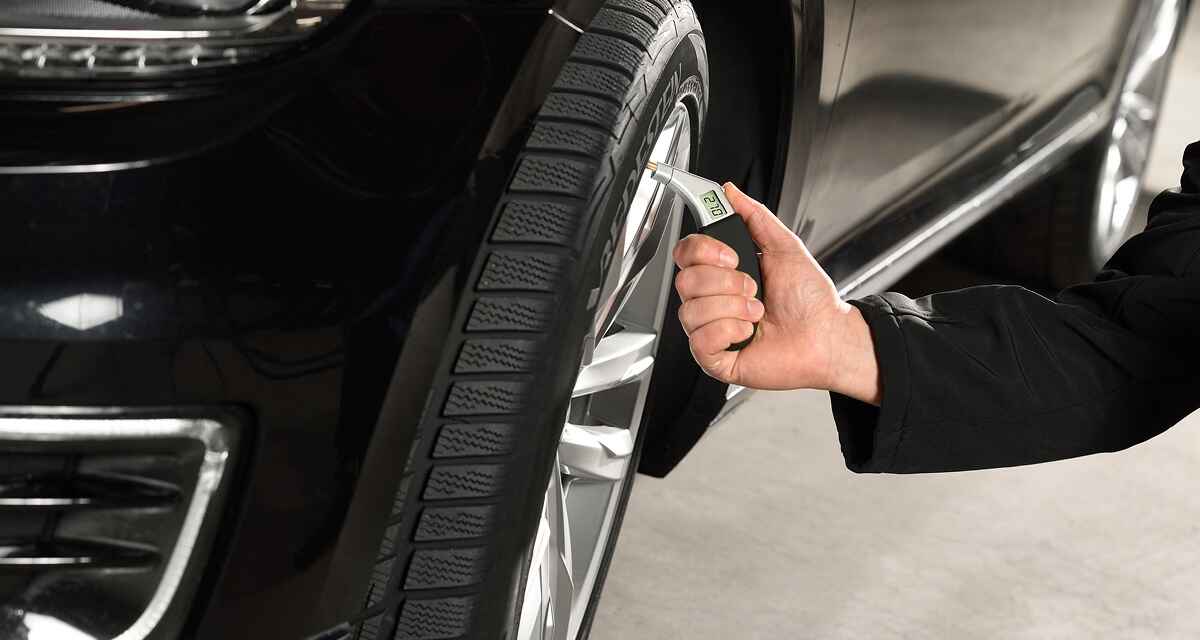
Proper tyre pressure affects handling, braking, fuel efficiency, and ride comfort. Even self-sealing tyres require routine inspections to ensure they remain inflated according to manufacturer recommendations.
Preventing Uneven Wear
Incorrect tyre pressure can cause uneven tread wear, reducing tyre lifespan and affecting vehicle performance.
Regular pressure checks remain one of the simplest and most effective maintenance practices for drivers.
Supporting Safety Systems
Many modern vehicle safety technologies rely on properly inflated tyres to function effectively. Maintaining recommended pressure levels helps ensure optimal system performance.
Impact on Long-Distance TravelReduced Travel Disruptions
Long-distance drivers often face concerns about unexpected punctures. Airless-seal technology minimizes the likelihood of a minor puncture turning into a major interruption.
This can be particularly beneficial during highway journeys where service facilities may not always be immediately accessible.
Enhanced Reliability
The ability to continue driving after certain punctures contributes to a more dependable travel experience. Drivers can focus on the journey rather than worrying about every road hazard they encounter.
Environmental and Economic AdvantagesExtended Tyre Service Life
When punctures are automatically sealed, tyres may remain usable without requiring immediate replacement. This can contribute to longer service life under appropriate conditions.
Reduced Resource Consumption
Fewer premature tyre replacements can help reduce material waste and support more sustainable vehicle ownership practices.
Lower Maintenance Costs
While routine inspections remain necessary, preventing minor punctures from becoming major tyre failures may help reduce overall maintenance expenses over time.
Common Misconceptions About Airless-Seal TechnologyIt Does Not Make Tyres Indestructible
Self-sealing systems are designed to address certain types of punctures, primarily within the tread area. Significant sidewall damage or large punctures may still require professional repair or replacement.
Regular Inspections Are Still Necessary
Drivers should continue checking tread condition, inflation levels, and overall tyre health. Airless-seal technology complements maintenance efforts but does not replace them.
Not All Punctures Are Automatically Repairable
The effectiveness of the sealing layer depends on factors such as puncture size and location. Professional inspection is recommended whenever tyre damage is suspected.
The Future of Tyre Safety Technology
As automotive technology continues to advance, tyre innovations are expected to become even more sophisticated. Future developments may focus on enhanced self-repair capabilities, improved monitoring systems, and smarter materials that further increase safety and efficiency.
Airless-seal technology represents an important step toward creating tyres that actively contribute to accident prevention and vehicle reliability. Combined with advances in sensors and predictive maintenance systems, these innovations are helping redefine modern tyre safety standards.
Conclusion
Modern airless-seal technology is transforming tyre safety by reducing the risks associated with punctures and sudden air loss. Through advanced self-sealing mechanisms, improved reliability, and greater vehicle control, these systems provide meaningful benefits for today's drivers. When combined with the proven advantages of a tubeless tyre design and consistent tyre pressure maintenance, airless-seal technology contributes to safer and more efficient driving experiences. Backed by more than a century of innovation, research, and engineering excellence, Vredestein continues to advance tyre technology and support drivers seeking dependable performance, enhanced safety, and confidence on every journey.