Why Do We Analyze Moisture Resistance in Closed-Cell Spray Foam Systems in Plover, WI?
When we look at the building needs in Central Wisconsin, the local weather presents unique challenges for any structure. We perform a Closed Cell Spray Foam Moisture Resistance Analysis to ensure that your home or commercial building can stand up to the heavy snow, humid summers, and seasonal shifts that define our region. In Plover, the proximity to the Wisconsin River and surrounding wetlands ensures that humidity remains a constant factor. By conducting this analysis, we verify that the insulation will act as a reliable shield against water intrusion and vapor drive, keeping your indoor spaces dry and efficient regardless of the outdoor conditions.
Our team at Proseal Spray Foam understands that insulation is not just about keeping heat inside during the winter; it is about managing how moisture moves through your walls and ceilings. Without a proper understanding of the moisture resistance of closed-cell spray foam, property owners risk structural issues that are often expensive and difficult to fix. We focus on this specific type of insulation because its dense, rigid structure offers a level of protection that other materials simply cannot match. In this guide, we will explain the science behind our process and why this analysis is a standard part of our commitment to quality in the Plover area.
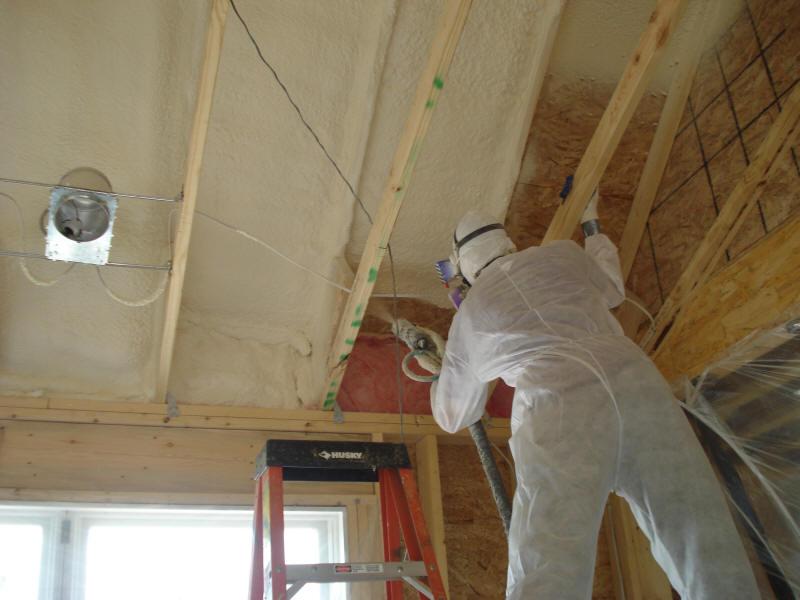 The Physical Properties of Closed Cell Systems
To understand why we prioritize this analysis, we have to look at the material itself. Closed-cell foam consists of tiny cells that are completely closed off and packed tightly together. These cells are filled with a gas that makes them highly effective at resisting both heat flow and water penetration. When we discuss the water barrier properties of insulation materials, closed-cell foam stands out because it does not act like a sponge.
Unlike fiberglass or cellulose, which can hold onto water once they get wet, closed-cell foam remains stable. This stability is a primary reason why spray foam blocks water vapor so effectively. Because the cells are closed, water cannot easily travel through the material. During our analysis, we look at the density of the foam to ensure it meets the necessary specifications to serve as a high-performance barrier.
Comparison of Insulation Types and Moisture Handling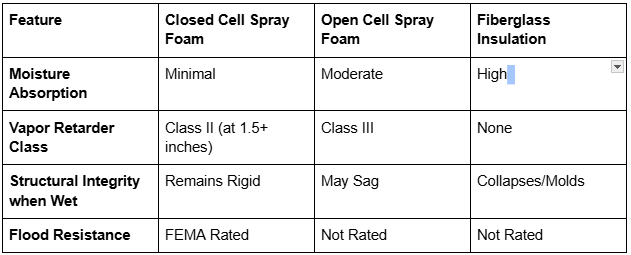 Addressing the Plover Climate and Humidity
Plover experiences a wide range of dew points throughout the year. In the summer, high humidity levels can cause moisture to migrate from the hot exterior toward the cool, air-conditioned interior. In the winter, the opposite happens. This constant movement of vapor is why a moisture resistance analysis is so relevant for our local clients.
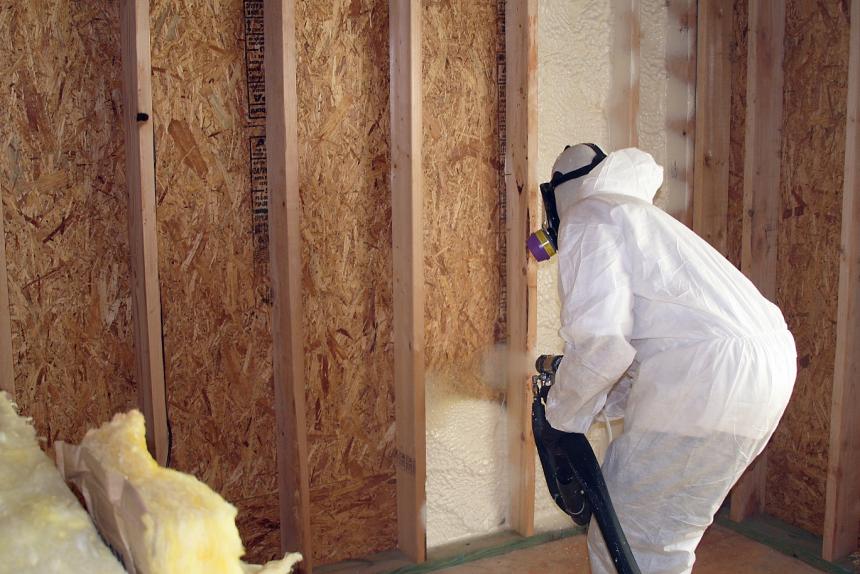
When we install spray foam insulation in Plover, WI, we are often working on projects where moisture-resistant insulation in Plover, WI, is the top priority. For example, homes near the river or in low-lying areas often deal with higher ground moisture. Using building moisture control strategies that include closed-cell foam helps prevent the "sweating" of walls that occurs when warm, moist air hits a cold surface.
Bonus Tip: If you are insulating a basement or a crawl space in Plover, always check for existing water leaks before application. While closed-cell foam is excellent at blocking vapor, it should not be used to "hide" active plumbing leaks or foundation cracks that are letting in liquid water.
Condensation Control in Wall SystemsOne of the biggest threats to a building in Wisconsin is interstitial condensation. This occurs when water vapor gets trapped inside the wall cavity and turns back into liquid water. If this happens, it can lead to wood rot and ruin the R-value of your insulation. We focus on condensation control in wall systems by using closed-cell foam to create a continuous seal.
Because this foam expands to fill every crack and crevice, it eliminates the air pockets where condensation usually forms. Our specialized moisture resistance analysis confirms that the application thickness is sufficient to move the dew point outside of the structural wall assembly. This keeps the wooden studs and sheathing dry, extending the life of the building.
Preventing Mold and Improving Air QualityMold requires moisture, a food source (like paper or wood), and the right temperature to grow. While we cannot change the temperature of the outdoors or remove the wood from your home, we can definitely control the moisture levels. Preventing mold with closed-cell insulation is a major benefit for families concerned about respiratory health and indoor air quality.
Since this insulation does not absorb water, it does not provide an environment where mold spores can thrive. During our assessment, we ensure that the vapor barrier effectiveness in spray foam is maximized. By blocking both liquid water and vapor, we effectively starve mold of the moisture it needs to start growing. This protection is especially vital in Crawl Space Encapsulation projects, as these areas are naturally prone to higher moisture levels.
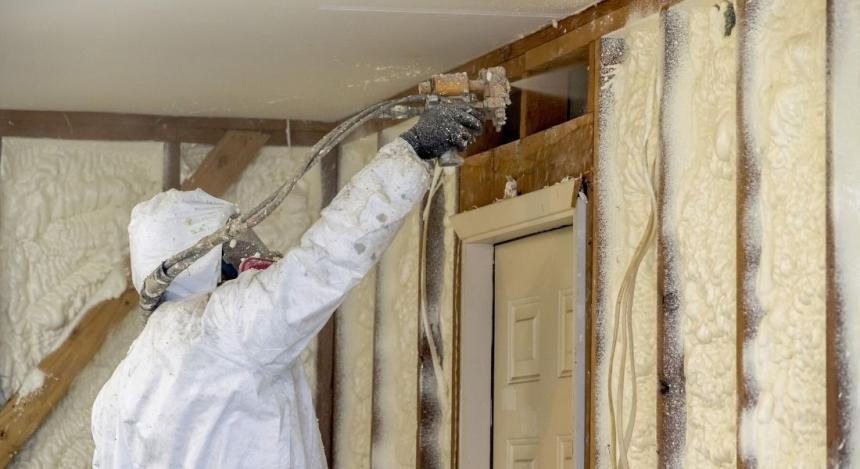 Durability in Wet Environments and Flood Zones
The Federal Emergency Management Agency (FEMA) has recognized closed-cell spray foam as a flood-resistant material. This speaks volumes about the durability of spray foam in wet environments. In the event of a minor flood or a pipe burst, closed-cell foam does not need to be ripped out and replaced like fiberglass. Once the area is dried, the foam typically retains its shape and insulating properties.
We often recommend this for closed-cell spray foam Plover WI applications where the cost of replacing insulation after a leak would be astronomical. When we compare closed-cell foam vs. moisture damage in other materials, the long-term savings become clear. You are not just buying insulation; you are buying a permanent structural component that can withstand accidental water exposure.
Enhancing Structural IntegrityBeyond its thermal and moisture-blocking capabilities, closed-cell foam adds physical strength to your walls. The high density of the material creates a glue-like bond between the studs and the exterior sheathing. This can increase the racking strength of a wall by up to three times.
We take this into account during our technical moisture resistance analysis because a stronger wall is less likely to develop the small cracks and shifts that allow moisture to enter in the first place. For residential spray foam projects, this results in a quieter, sturdier, and drier home.
Bonus Tip: When choosing an installer, ask about their experience with air sealing. Moisture often hitches a ride on moving air. A proper air seal combined with moisture-resistant foam provides the best overall protection for your property.
Things to Consider Before Making a DecisionChoosing the right insulation for a project in Plover requires looking at more than just the price tag. Here are a few things we recommend you consider:
- Application Area: Is the area prone to high humidity, like a basement or an attic? If so, the insulation performance in humid conditions should be your primary concern.
- Existing Vapor Barriers: Sometimes, having multiple vapor barriers can actually trap moisture. We look at your current wall setup to ensure our foam works with your building's existing layers.
- R-Value Requirements: Closed-cell foam offers a higher R-value per inch than almost any other material, which is helpful when space in the wall cavity is limited.
- Professional Installation: Spray foam requires a precise chemical mix and specific temperature controls during application. Choosing an experienced team ensures the foam cures correctly and achieves its full moisture-resistant potential.
Yes, at a thickness of about 1.5 to 2 inches, most closed-cell foams are classified as Class II vapor retarders. This means they are highly effective at stopping the passage of water vapor through the wall.
Can moisture get trapped behind the foam?If the foam is applied correctly to a dry substrate, it creates a tight bond that leaves no room for moisture to get trapped. This is why we always check the moisture content of the wood before we begin spraying.
Is closed-cell foam better than open-cell foam for Plover winters?In our climate, closed-cell is often preferred for exterior walls and below-grade applications. While open-cell is a great air sealer, it does not offer the same level of water resistance, which can be a drawback during the heavy snow-melt season.
How long does the moisture resistance last?The moisture resistance of closed-cell spray foam is designed to last the lifetime of the building. It does not settle, sag, or degrade over time, even if it is exposed to high humidity.
Can I use this for my crawl space?Absolutely. Crawl space insulation and encapsulation are among the most common uses for this material. It stops the damp, earthy smells from entering your home and protects your floor joists from rotting.
Protecting Your Investment in PloverWe believe that a home is only as good as the shell that protects it. By focusing on Closed Cell Spray Foam Moisture Resistance Analysis, we provide our clients with a solution that addresses the specific environmental pressures of Plover, WI. From preventing wood rot to keeping the air you breathe clean and mold-free, the benefits of this material go far beyond simple energy savings.
Whether we are working on a new residential build or a large-scale commercial project, our goal is to create a dry, comfortable, and durable environment. Understanding how moisture interacts with your building is the first step in making a smart insulation choice that will pay off for decades to come.
Call Us For Professional AssistanceIf you are ready to improve your property’s protection, we are here to help. At Proseal Spray Foam, we offer specialized services including Residential Spray Foam, Commercial Spray Foam, and Crawl Space Encapsulation to meet all your local insulation needs. You can reach our team at [email protected] or call us directly at (715) 227-6295 to discuss your project. We look forward to helping you build a drier, more efficient space. You can also find us and see our local work here: https://maps.app.goo.gl/vmbZHPYt5VfsHK9D9.