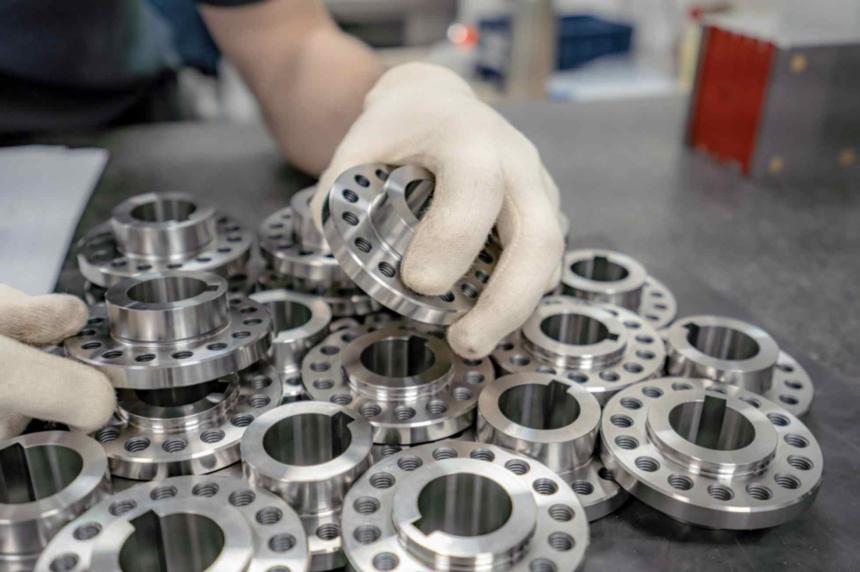

When Should You Consider Metal Bearing Repair for Your Equipment?
Know when to choose metal bearing repair to extend equipment life, reduce downtime, and avoid costly replacements with timely maintenance and expert service.
Industrial equipment relies heavily on bearings to keep systems moving smoothly and efficiently. Bearings support rotating components, reduce friction, and ensure machinery performs at optimal levels. When bearings begin to wear out or experience damage, the performance of the entire system can decline. Recognizing the right time to consider metal bearing repair can help prevent major equipment failure, reduce downtime, and extend the lifespan of valuable machinery.
Understanding the signs of bearing damage and the benefits of timely repair is essential for maintenance teams, facility managers, and equipment operators. Instead of immediately replacing damaged components, repairing metal bearings can often be a practical and cost effective solution when addressed early.
Understanding the Role of Bearings in EquipmentBearings are fundamental mechanical components found in a wide range of machines including motors, pumps, turbines, conveyors, compressors, and heavy industrial equipment. Their primary function is to support rotating shafts and reduce friction between moving parts.
When bearings function properly, they allow machinery to operate smoothly with minimal energy loss. However, continuous stress, heavy loads, contamination, and improper lubrication can gradually damage these components.
Common types of bearings used in industrial applications include:
- Ball bearings
- Roller bearings
- Thrust bearings
- Plain bearings
- Needle bearings
Each type has specific advantages depending on the application. Regardless of the design, metal bearings must withstand pressure, heat, and constant movement. Over time, these conditions can cause wear that requires attention.
Why Bearing Damage Should Never Be IgnoredIgnoring bearing damage can lead to more severe mechanical issues. When bearings fail, the consequences often extend beyond a single component. A damaged bearing can affect shafts, housings, seals, and other nearby parts.
Potential consequences of ignoring bearing issues include:
- Increased friction and heat
- Reduced equipment efficiency
- Excessive vibration
- Unexpected machine shutdown
- Costly equipment replacement
- Safety hazards for operators
Addressing problems early can prevent these risks. Repairing a bearing at the right time can restore its function and prevent further mechanical damage.
Common Causes of Bearing DamageBefore deciding on repair, it helps to understand what causes bearings to fail in the first place. Identifying the root cause ensures that repairs are effective and long lasting.
Poor LubricationLubrication plays a critical role in bearing performance. When lubrication is insufficient or contaminated, metal surfaces begin to grind against each other. This accelerates wear and increases friction.
Signs of lubrication problems include overheating, unusual noise, and visible scoring on the bearing surface.
ContaminationDust, dirt, metal particles, and moisture can enter bearing systems if seals fail or maintenance procedures are not followed properly. Contaminants can scratch surfaces and degrade bearing materials.
Contamination is one of the most common reasons bearings require repair or replacement.
MisalignmentWhen shafts or housings are not aligned correctly, uneven loads are applied to bearings. This causes premature wear and can create irregular stress patterns that damage bearing surfaces.
Misalignment may occur during installation or as equipment components shift over time.
OverloadingEvery bearing has a load capacity. When machinery operates beyond this limit, bearings experience excessive pressure. This can lead to deformation, cracking, or accelerated fatigue.
Heavy industrial environments often push equipment to its limits, making regular inspection essential.
Improper InstallationIncorrect installation techniques can damage bearings even before equipment begins operating. Using the wrong tools, applying uneven force, or failing to follow manufacturer specifications can weaken bearing integrity.
Proper installation training helps prevent these issues.
Warning Signs That Bearings Need AttentionRecognizing early warning signs can help determine when repair is necessary. Maintenance teams should regularly monitor equipment for indicators of bearing problems.
Unusual NoiseGrinding, squealing, or rumbling sounds often indicate internal bearing damage. These noises occur when metal surfaces begin to wear or when debris enters the bearing system.
Operators who are familiar with normal machine sounds are often the first to notice these changes.
Increased VibrationVibration analysis is commonly used to detect bearing problems. When bearings degrade, they produce irregular vibration patterns.
Specialized monitoring equipment can identify these patterns before visible damage occurs.
Excessive HeatBearings naturally generate some heat during operation. However, excessive heat can signal friction, lubrication failure, or internal damage.
Thermal monitoring systems can help identify overheating components early.
Visible Wear or Surface DamageDuring routine maintenance, technicians may notice pitting, cracking, or scoring on bearing surfaces. These defects reduce the smoothness of rotation and can worsen over time.
Surface damage often indicates the need for immediate action.
Reduced Equipment PerformanceWhen bearings begin to fail, machinery may run slower, consume more energy, or struggle to maintain consistent output.
If performance declines without another clear cause, bearings may be responsible.
When Repair Is a Practical SolutionIn many cases, repairing bearings is more practical than replacing them entirely. Repair processes can restore damaged surfaces, correct minor defects, and extend the service life of components.
Repair is often suitable when:
- Damage is moderate rather than severe
- Structural integrity remains intact
- Replacement parts are expensive or difficult to source
- Downtime must be minimized
- Bearings are part of large custom equipment
Repair techniques may include surface restoration, machining, polishing, or metal rebuilding. These methods allow worn components to regain proper function without the cost of full replacement.
Situations Where Replacement May Be BetterWhile repair offers many advantages, it is not always the best option. Certain conditions make replacement the safer and more reliable choice.
Replacement may be necessary when:
- Bearings are severely cracked or fractured
- Structural deformation has occurred
- Extensive corrosion is present
- Repair costs approach replacement costs
- Safety risks are too high
Maintenance teams must evaluate each situation carefully before deciding between repair and replacement.
Benefits of Repairing Metal BearingsRepairing bearings provides several operational and financial benefits.
Reduced Equipment DowntimeRepair processes are often faster than sourcing and installing new bearings, especially for specialized equipment.
Shorter downtime means production can resume more quickly.
Lower Maintenance CostsReplacing large industrial bearings can be expensive. Repairing existing components helps reduce overall maintenance expenses.
Organizations with large machinery fleets often see significant savings through repair strategies.
Extended Equipment LifeRestoring bearings helps protect surrounding components from additional stress and damage.
This contributes to a longer lifespan for the entire machine.
Sustainability AdvantagesRepairing components instead of discarding them reduces industrial waste and supports sustainable maintenance practices.
Many companies are increasingly adopting repair focused strategies as part of their environmental initiatives.
Best Practices for Preventing Bearing FailurePreventive maintenance plays a crucial role in reducing the need for repairs. By following best practices, organizations can extend bearing life and improve equipment reliability.
Conduct Regular InspectionsRoutine inspections help detect wear before it becomes severe. Visual checks, vibration monitoring, and temperature measurements provide valuable insights.
Maintain Proper LubricationUsing the correct lubricant and maintaining proper lubrication schedules helps minimize friction and wear.
Lubrication systems should also be monitored to prevent contamination.
Ensure Proper AlignmentPrecision alignment tools help ensure shafts and components are correctly positioned.
Proper alignment reduces uneven stress on bearings.
Monitor Operating ConditionsEquipment should operate within recommended load and speed limits. Monitoring systems can help ensure machines do not exceed safe operating parameters.
Train Maintenance PersonnelWell trained technicians are more likely to identify early warning signs and perform correct installation procedures.
Training reduces human error and improves maintenance outcomes.
Final ThoughtIndustrial machinery depends on reliable components to maintain consistent performance. Bearings play a critical role in keeping equipment running smoothly, and even minor damage can affect efficiency and safety. Recognizing early warning signs such as noise, vibration, and overheating allows maintenance teams to take action before problems escalate. When addressed at the right time, metal bearing repair can restore performance, reduce maintenance costs, and extend the lifespan of essential equipment. A proactive maintenance strategy that includes timely inspections and repairs ensures machines continue operating reliably for years to come.
Buy How to Get Yelp Marketing Guide: The Complete Expert SEO Playbook
Buy How to Get Yelp Marketing Guide: The Complete Expert SEO Playbook Yelp is more than j...
Buy How to Get Yelp Features Explained: The Ultimate Guide
Buy How to Get Yelp Features Explained: The Ultimate Guide Yelp has become one of the mos...
Buy How to Get Yelp Pricing Information: The Complete Expert Guide
Buy How to Get Yelp Pricing Information: The Complete Expert Guide Yelp has become one of...
Buy European Email Account Stolen Profile Scam: The Complete Expert Gu...
Buy European Email Account Stolen Profile Scam: The Complete Expert Guide Cybercrime has...
Buy How to Get Yelp Security Tips: The Ultimate Expert Guide
Buy How to Get Yelp Security Tips: The Ultimate Expert Guide In today’s digital-first wor...