When Should You Consider Medical Help for a Growing Lipoma?
Ali first noticed a small lump on his back while getting ready one morning. It felt soft and didn’t hurt, so he ignored it.
Over time, the lump slowly grew larger. It began to feel uncomfortable when sitting, and was slightly visible through his clothing.
This situation is very common. Lipomas are usually harmless, but growth can change how they affect your daily life. Knowing when to seek medical help can make a big difference.
“Ignoring a small change today can lead to discomfort tomorrow.”
Understanding a Growing Lipoma
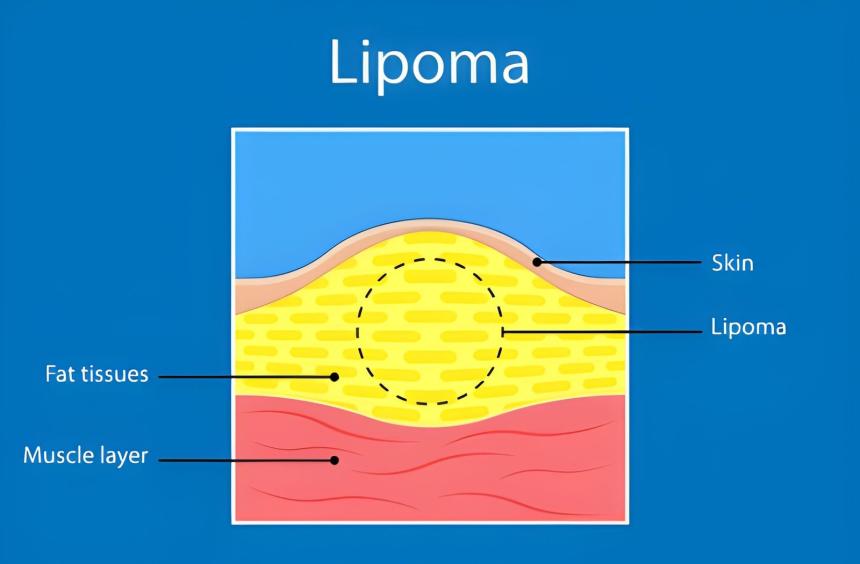
A lipoma is a soft fatty lump that develops under the skin.
- Benign growth: Lipomas are non-cancerous and usually not dangerous.
- Slow enlargement: These lumps often grow gradually over time.
- Soft and movable: They can shift slightly when touched gently.
- Common locations: Lipomas appear on the back, arms, shoulders, or neck.
- Usually painless: Most do not cause discomfort in the early stages.
- Variable size: Some remain small while others continue growing.
Growth is the main factor that changes how a lipoma feels.
Early Signs You Should Not Ignore
Even small changes can signal the need for attention.
- Noticeable increase in size: A lipoma growing steadily should be monitored carefully.
- Change in shape: Irregular or unusual shape changes require evaluation.
- Mild discomfort: Early pressure or irritation may develop.
- Visible bulge: The lump becomes more noticeable under clothing.
- Skin stretching: The area may feel tight as the lipoma enlarges.
- Frequent awareness: Constantly feeling the lump can become distracting.
Recognising these signs helps you act at the right time.
Why Medical Evaluation Matters
Professional evaluation ensures safety and clarity.
At a Harley Street dermatology clinic in London, specialists assess the lipoma carefully before recommending any treatment.
- Accurate diagnosis: Confirms the lump is a lipoma and not another condition.
- Size assessment: Helps determine if treatment is necessary.
- Location analysis: Identifies risks based on surrounding tissues.
- Growth monitoring: Tracks changes over time.
- Treatment planning: Suggests the safest approach for removal.
- Patient reassurance: Reduces anxiety through clear guidance.
Medical advice ensures you make the right decision.
When Growth Becomes a Concern
A growing lipoma can begin to affect daily comfort.
- Pressure on tissues: Larger lumps may press against muscles or nerves.
- Movement restriction: Lipomas near joints can affect flexibility.
- Clothing irritation: Constant rubbing may cause discomfort.
- Posture discomfort: Sitting or leaning may feel uncomfortable.
- Cosmetic concerns: Visible lumps may affect confidence.
- Daily inconvenience: The lump becomes difficult to ignore.
These changes often lead people to seek treatment.
What Happens If You Delay Treatment?
Delaying medical help may lead to avoidable issues.
- Continued growth: Lipomas may keep increasing in size.
- More complex removal: Larger lumps may require a bigger incision.
- Extended recovery: Healing may take longer after delayed treatment.
- Increased discomfort: Pressure and irritation may worsen.
- Greater visibility: Larger lumps are harder to conceal.
- Emotional concern: Ongoing worry may affect peace of mind.
- Early action often keeps treatment simple.
“Timely care makes even simple procedures easier.”
Treatment Options for Growing Lipomas
Modern dermatology offers safe and effective solutions.
- Surgical excision: A small incision removes the lipoma completely.
- Minimal incision technique: Reduces scarring and improves healing.
- Liposuction method: Suitable for certain soft lipomas.
- Local anaesthesia: Ensures comfort during the procedure.
- Outpatient care: Most procedures are quick and require no hospital stay.
- Advanced closure: Helps improve cosmetic results after removal.
These treatments are designed to minimise risk.
Patients considering lipoma removal treatment in London often benefit from modern techniques that focus on safety and precision.
Tips for Managing a Lipoma Safely
Simple steps can help you stay in control.
- Monitor size regularly: Keep track of any noticeable changes.
- Avoid pressure: Reduce irritation from clothing or movement.
- Seek advice early: Do not wait for discomfort to increase.
- Avoid self-treatment: Prevent unnecessary complications.
- Follow medical guidance: Proper care ensures better results.
- Stay informed: Understanding your condition helps decision-making.
These steps support better outcomes.
FAQs
When should I worry about a lipoma?
If it grows, becomes uncomfortable, or changes shape, it is best to consult a professional.
Can a growing lipoma become harmful?
Most lipomas remain harmless, but growth should still be evaluated.
Is removal always necessary?
Not always, but treatment is recommended if symptoms develop.
How long does the procedure take?
Most lipoma removals are completed within a short time.
Can I ignore a lipoma forever?
Some remain stable, but growing lipomas should not be ignored.
Final Thoughts
A growing lipoma may start as a minor concern, but changes over time can affect comfort and confidence. Knowing when to seek medical help helps you avoid unnecessary complications.
“Taking action early keeps treatment simple and stress-free.”
Velki Login: দ্রুত অ্যাকাউন্ট অ্যাক্সেসের সহজ নিয়ম
Velki Login: দ্রুত অ্যাকাউন্ট অ্যাক্সেসের সহজ নিয়ম