
When Can Spray Foam Insulation Make a Meaningful Difference in Energy Performance?
Spray foam makes a meaningful difference in energy performance when a building suffers from significant air leakage or lacks a continuous thermal envelope. Unlike traditional materials, it expands to fill gaps, cracks, and voids that otherwise let conditioned air escape. This dual ability to insulate and seal air is what defines high spray foam insulation performance in modern construction.
This article explores specific scenarios where this technology offers the highest return on investment. You will learn about climate considerations, structural weak points, and the technical advantages of different foam types. With years of field experience in the insulation industry, professional installers provide this guidance to help you make informed decisions for your property.
How does spray foam improve the efficiency of a building?
Traditional insulation materials like fiberglass or cellulose often leave small gaps around wires, pipes, and wall studs. These gaps allow air to bypass the insulation, a phenomenon known as thermal bridging or air infiltration. Spray foam insulation is effective because the material adheres directly to the substrate and expands to create a custom-fit seal.

When you eliminate these air leaks, your heating and cooling systems do not have to work as hard to maintain a steady temperature. This reduction in mechanical strain leads to lower utility bills and a longer lifespan for your HVAC equipment. Data from the Environmental Protection Agency suggests that air sealing can save homeowners up to 15 percent on heating and cooling costs.
Addressing air leakage in older structures
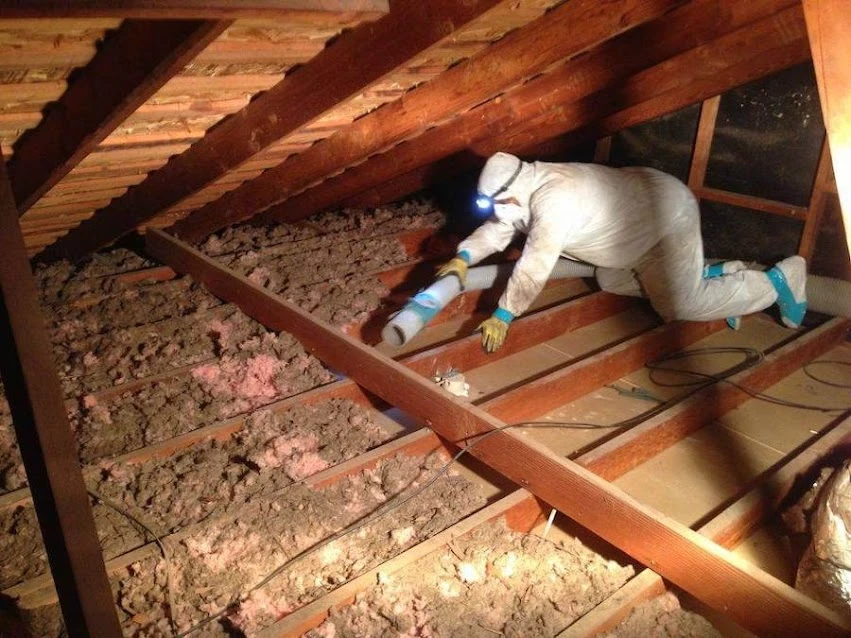
Older homes often feature outdated building insulation that has settled over time. This settling leaves large uninsulated sections at the top of wall cavities. Because spray foam stays in place and does not sag, it provides a permanent solution for these vertical spaces.
If you notice drafts near electrical outlets or baseboards, it is a sign that the building envelope is compromised. High-quality spray foam installation can resolve these issues by creating an airtight barrier in the attic and basement. These two areas are responsible for the "stack effect," where warm air rises and escapes through the roof while pulling cold air in through the lower levels.
Optimizing performance in extreme climates
In regions with harsh winters or humid summers, the temperature difference between inside and outside is extreme. This temperature gradient makes energy-efficient spray foam more valuable because it offers a higher R-value per inch than most other materials. Closed-cell foam, for example, provides a dense barrier that resists both heat transfer and moisture vapor.
For properties in the Midwest or Northern states, frozen pipes and ice dams are common winter concerns. Applying spray foam to the underside of the roof deck or around rim joists prevents heat from reaching the roof surface. This helps maintain a "cold roof" in the winter, which stops snow from melting and refreezing into dangerous ice dams.
Specific areas where spray foam adds the most value
Not every square inch of a building needs spray foam to see a performance boost. Targeting specific zones often yields the most cost-effective results.
- Rim Joists: This is the area where the house frame meets the foundation. It is a notorious source of air leaks and cold floors.
- Attic Floors and Roof Decks: Sealing the top of the house prevents the most significant heat loss during winter.
- Crawl Spaces: Encapsulating a crawl space with foam keeps moisture out and prevents floors above from feeling cold.
- Cantilevers: Overhanging floors are difficult to insulate with batts but are easily sealed with expanding foam.
Bonus Tip: Before starting an installation, ensure all combustion appliances, like gas water heaters, are properly vented. An airtight house requires controlled ventilation to maintain air quality.
Comparing open-cell and closed-cell spray foam
Choosing the right type of foam is essential for maximizing spray foam insulation performance. The two main types serve different structural and thermal needs. Closed-cell foam is much denser and acts as a vapor barrier, while open-cell foam is lighter and better for sound dampening.
FeatureOpen-Cell FoamClosed-Cell FoamR-Value per Inch3.5 to 3.86.0 to 7.0Density0.5 lbs per cubic foot2.0 lbs per cubic footAir SealingExcellentExcellentVapor BarrierNoYesStructural StrengthLowHighCommon UseInterior Walls / AtticsExterior Walls / BasementsThe impact of spray foam on moisture control
Moisture is the enemy of energy performance and structural integrity. When warm, moist air hits a cold surface, it condenses into water. This leads to mold growth and can rot wooden framing. Closed-cell foam prevents this by stopping the air from reaching the cold surface in the first place.
Using professional spray foam insulation services ensures that the foam is applied at the correct thickness to prevent condensation. This is particularly important in basements and crawl spaces where soil moisture is a constant factor. By controlling the humidity levels, you reduce the load on dehumidifiers and air conditioners. While these technical benefits are clear, property owners should also consider the practical aspects of the installation process.
Things to consider before choosing spray foam
While the spray foam benefits are numerous, you must evaluate several factors before moving forward. The initial cost of spray foam is generally higher than fiberglass or cellulose. You should view this as a long-term investment in the property's value and efficiency rather than a simple expense.
Another factor is the requirement for professional application. Spray foam involves a chemical reaction that must happen under specific temperature and pressure settings. If the mix is off, the foam may not cure correctly, which can lead to odors or reduced effectiveness. Always verify that the installers have the proper training and equipment.
Bonus Tip: Check for local utility rebates or federal tax credits. Many energy-efficiency programs offer financial incentives for homeowners who upgrade their insulation to high-performance materials.
Evaluating the building envelope for gaps
A building envelope is only as strong as its weakest point. Even if you have thick insulation in the walls, a leaky attic hatch or unsealed recessed lights can ruin the Spray Foam Insulation Performance. A professional energy audit often includes a blower door test to find these hidden leaks.
Once the leaks are identified, spray foam can be used to "flash and batt." This technique involves applying a thin layer of spray foam for air sealing and then filling the rest of the cavity with less expensive insulation. This hybrid approach provides excellent results while managing the overall project budget.
The role of spray foam in commercial applications
Commercial buildings often have large, flat roofs and complex steel framing. These structures are prone to thermal bridging, where the metal studs conduct heat out of the building. Spray foam is highly effective in these environments because it can be sprayed directly onto steel and masonry.
In commercial warehouses or metal buildings, spray foam provides a continuous layer that prevents the "sweating" often seen on metal surfaces. This protects stored inventory and machinery from moisture damage. The durability of closed-cell spray foam also allows it to withstand the vibrations and movements common in industrial settings.
Maintaining indoor air quality with air sealing
A common misconception is that a house can be "too tight." While it is true that buildings need fresh air, it is better to control that air through mechanical ventilation rather than relying on random leaks. When you use spray foam to seal a building, you can use Heat Recovery Ventilators (HRVs) to bring in fresh air without losing energy.
This controlled environment filters out dust, pollen, and outdoor pollutants. For people with allergies or respiratory issues, the air sealing provided by spray foam creates a much cleaner living space. It also keeps pests and insects from entering through small cracks in the foundation or walls.
Why professional installation is necessary?
Achieving the best spray foam insulation performance requires specialized knowledge. Technicians must understand the chemistry of the "A" and "B" side materials. They also need to know how to adjust the spray pattern based on the ambient temperature and humidity of the job site.
Improperly installed foam can pull away from the studs or fail to expand fully. Professional companies use high-grade protective gear and ventilation fans to ensure a safe environment during the application. They also provide a warranty on their work, giving you peace of mind that the insulation will perform as expected for decades.
Summary of energy performance gains
Spray foam is most effective when it addresses the primary sources of energy loss: air infiltration and low R-value. By creating a continuous thermal and air barrier, it improves the efficiency of both new and existing structures. Whether you are dealing with a drafty attic or a damp crawl space, this material offers a dependable solution for long-term comfort.
You should evaluate your property for signs of high energy consumption and inconsistent temperatures. If you find that your current insulation is failing to keep you comfortable, it may be time to upgrade to a more advanced material. Consultation with a specialist can help you determine the specific areas where spray foam will make the most impact.

Get a professional assessment for your next insulation project
When you are ready to improve your home or business, choosing a reliable partner is the first step. Peak Spray Foam Insulation provides expert guidance on how to maximize energy savings through advanced sealing techniques. Their team handles everything from residential attics to large-scale commercial projects. You can reach out to them for a free quote to see how their services fit your needs. Contact the professionals at [email protected] or call (612) 482-4742 to discuss your goals. They focus on delivering high-quality results that stand the test of time, ensuring your property remains efficient in every season.
Common questions about spray foam efficiencyHow long does spray foam insulation last?
Spray foam is designed to last for the lifetime of the building. It does not settle, sag, or degrade over time like fiberglass or cellulose. As long as it is protected from direct UV sunlight, it maintains its R-value and air-sealing properties indefinitely.
Is spray foam better for noise reduction than other materials?
Open-cell spray foam is an excellent choice for soundproofing. Its soft, porous structure absorbs sound waves, making it ideal for media rooms or walls between bedrooms and bathrooms. Closed-cell foam is denser and less effective at sound absorption but better for structural strength.
Can spray foam be installed in an existing home?
Yes, spray foam can be added to existing homes. It is commonly used in attics, basements, and crawl spaces. For finished walls, professional installers can sometimes use a "slow-pour" foam that expands more slowly to avoid damaging the drywall or plaster.
Does spray foam insulation attract pests or rodents?
No, spray foam is not a food source for insects or rodents. Because it creates an airtight seal, it actually helps keep pests out by closing the small gaps they use to enter the home. It also eliminates the nesting material that rodents often find in fiberglass batts.
Is spray foam environmentally friendly?
Many modern spray foams are formulated with low global warming potential (GWP) blowing agents. By significantly reducing the energy needed to heat and cool a building, spray foam reduces the overall carbon footprint of the structure over its lifespan.

Convenient Ways to Buy Wine Online Ontario
Exploring options to buy wine online Ontario helps wine enthusiasts discover selections fr...