
What to Expect During a Home Performance Evaluation
By understanding what to expect during this process, homeowners can make informed decisions that improve year-round comfort.
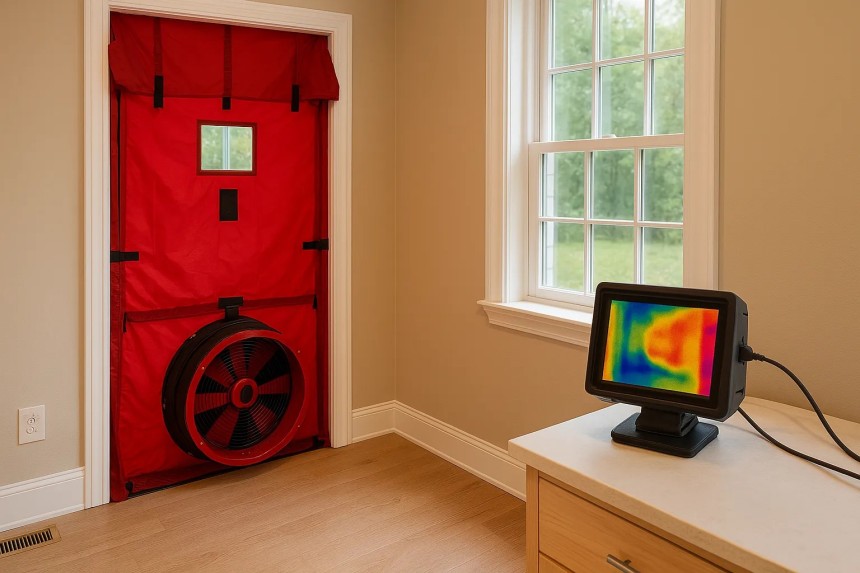
A home performance evaluation takes a detailed look at how your home uses energy, where it loses it, and what upgrades can reduce energy waste. It's a structured, diagnostic process—not a quick visual inspection—that evaluates how various systems in your home function together to maintain comfort, efficiency, and indoor air quality.
By understanding what to expect during this process, homeowners can make informed decisions that improve year-round comfort, reduce utility bills, and support long-term home health. This article explains the procedures, tools, and outcomes involved in a home performance evaluation and why it plays a vital role in improving building performance.
Purpose and Benefits of a Home Performance EvaluationA home performance evaluation service helps to reveal the root causes of inefficient energy use, drafts, moisture problems, and poor indoor air quality. It's about identifying measurable data and using that to prioritize home improvements.
Improving Energy Efficiency and ComfortMost homeowners notice uneven temperatures or rising utility bills before scheduling an audit. These evaluations offer a roadmap to:
- Reduce energy waste
- Improve heating and cooling performance
- Identify air leaks and poor insulation
- Create a more balanced indoor temperature
Poor attic ventilation, bathroom exhaust failures, and HVAC imbalance can cause long-term damage. Home performance evaluations pinpoint these risks before they result in mold or structural damage.
Establishing a Home Improvement PlanRather than guessing at solutions, a performance evaluation gives homeowners measurable data. This data guides decisions on which upgrades to make first—whether air sealing, insulation, or HVAC updates.
 Core Components of a Home Performance Evaluation
The evaluation includes multiple tests and inspections performed by trained professionals using diagnostic tools.
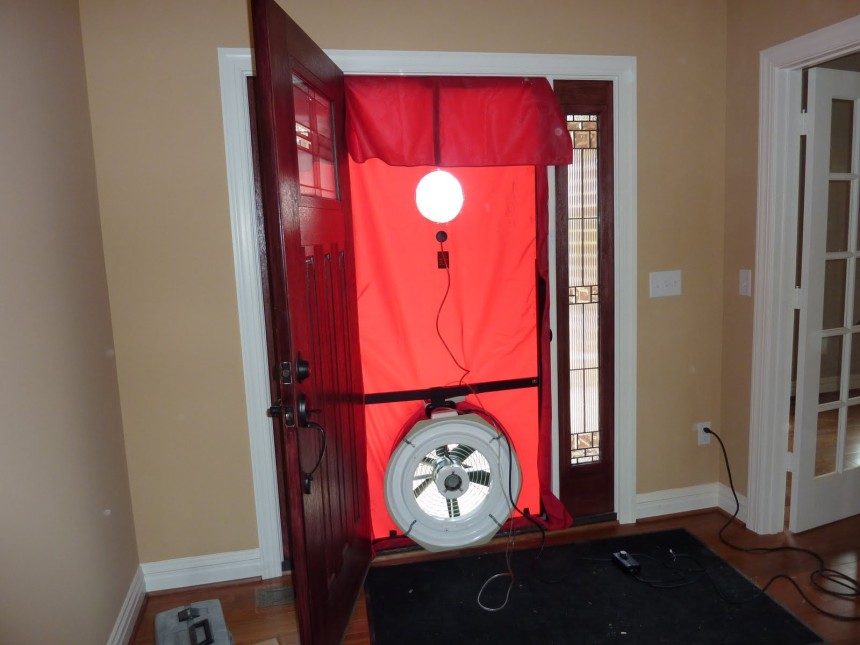
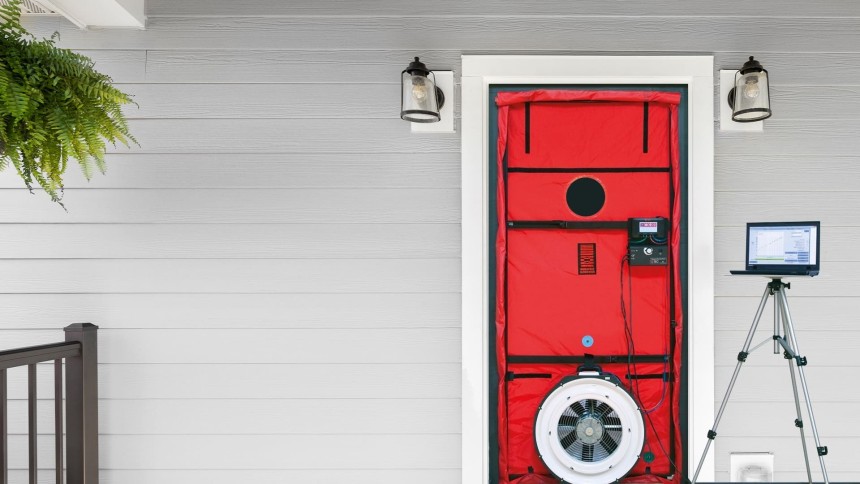
Blower Door TestThe blower door test is the backbone of most evaluations. A fan mounted in an exterior doorway depressurizes the home to locate uncontrolled air leaks.
- Measures how much air leaks in or out of the house
- Helps identify hidden gaps around windows, doors, plumbing penetrations, and attic hatches
- Quantifies air changes per hour (ACH), which reveals how drafty or tight a home is
Leaky ducts reduce HVAC efficiency and lead to uneven heating or cooling. Duct testing uses pressure-based tools to:
- Determine how much air is escaping through unsealed joints
- Identify problem areas inside walls, attics, or crawl spaces
Thermal imaging cameras visualize temperature differences in surfaces, revealing insulation gaps and thermal bridges.
- Highlights missing or compressed insulation
- Locates air leaks invisible to the naked eye
- Visualizes heat escaping around attic access points and wall cavities
Evaluators inspect heating and cooling systems to determine whether equipment is correctly sized and functioning efficiently.
- Checks duct layout and airflow
- Reviews filter placement and air return configurations
- Verifies system capacity compared to building size
A thorough evaluation includes a review of the home’s ventilation systems and humidity levels.
- Identifies if exhaust fans are underperforming
- Measures CO2, CO, and particulate levels when necessary
- Assesses ventilation strategies for healthier living environments
Home performance evaluations typically last 2–4 hours depending on home size. Occupants may remain in the house during testing.
Initial Walkthrough and Occupant InterviewThe evaluator will first tour the home and ask questions about energy bills, comfort problems, and past upgrades. This context helps guide the diagnostic testing phase.
Setting Up Diagnostic Equipment- A blower door fan is installed in an exterior doorway
- Pressure gauges and flow hoods are used to test duct leakage
- Infrared cameras are calibrated for temperature scanning
The specialist conducts multiple evaluations during one appointment:
- Run blower door while using smoke pencils or thermal cameras
- Measure duct leakage using a duct blaster or flow hood
- Visually inspect insulation coverage and attic conditions
- Test exhaust fans for airflow rates
After testing, homeowners receive a summary of key issues, including:
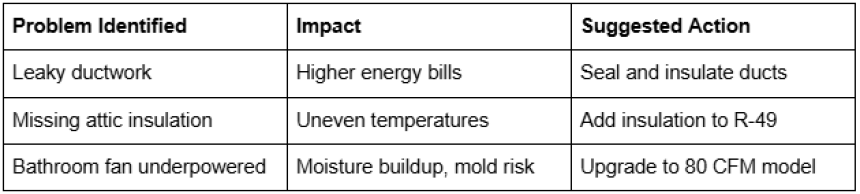
Each recommendation is explained with projected energy savings or comfort improvements.
How Homeowners Can PrepareWhile the audit team handles the technical work, small steps from the homeowner help speed up the process.
Make the Home Accessible- Unblock attic entries, mechanical rooms, and crawl spaces
- Secure pets and inform family members of testing times
These help evaluators spot seasonal patterns or abnormal usage trends when comparing energy consumption to building characteristics.
Make a List of ConcernsHomeowners should note rooms with drafts, moisture issues, or comfort complaints. Specific examples guide testing efforts.
Common QuestionsHow long does a home performance evaluation take?Most evaluations take 2–4 hours. Larger homes or those with complex HVAC setups may take longer. The process includes setup, testing, inspection, and discussion of findings.
Is it disruptive to daily activities?Testing requires doors and windows to remain closed for a period, and a large fan may run for about 20–30 minutes. However, most homeowners can remain in the house during the evaluation without disruption.
Does this include recommendations for insulation?Yes. The evaluator will inspect attic and wall insulation, then suggest improvements where performance gaps exist. Thermal imaging makes it easier to pinpoint missing insulation.
Will I get a written report?Most auditors provide a detailed report with data, findings, and prioritized upgrades. Some include estimates for energy savings and guidance on local rebate programs.
ConclusionA home performance evaluation provides measurable, science-backed insights into how a house performs as a system. From air leaks and insulation issues to HVAC inefficiencies and poor ventilation, the process helps homeowners prioritize improvements based on real data.
When done by a professional insulation company, the evaluation not only uncovers why a home may feel uncomfortable or inefficient but outlines the exact steps needed to fix it. For homeowners serious about improving comfort, indoor air quality, and energy use, this evaluation is the first step toward a better-performing home.
 FAQs
Is a home performance evaluation necessary before replacing HVAC systems? Yes. Installing new HVAC equipment without addressing duct leaks or insulation gaps can reduce system efficiency and increase long-term costs. The evaluation helps right-size equipment and address underlying issues.
Can I use the results to qualify for rebates or incentives? In many areas, yes. Utility rebate programs often require blower door testing or performance evaluations to qualify for rebates on air sealing, insulation, or HVAC upgrades.
What’s the difference between an energy audit and home performance evaluation? The terms are often used interchangeably. However, a performance evaluation may include more in-depth diagnostics, building science insights, and home health assessments compared to a basic audit.
Will this help improve indoor air quality? Yes. Evaluators assess ventilation, humidity, and filtration. Recommendations may include fan upgrades, better filters, or sealing leaks that bring pollutants indoors.
Author: Bob Gasca attended his first spray foam training in 2007 and has continued to pursue yearly training to stay current with the latest technology and practices. He is a certified Spray Foam Master Installer through the SPFA and a member of the SPFA. Additionally, Bob serves as a Spray Foam Worldwide Ambassador, sharing information with spray foam professionals globally. Recently, he returned from a building science training, where he expanded his knowledge on how weather conditions affect home performance, helping him better diagnose and improve home health for families. Bob specializes in finding solutions to complex moisture and air infiltration issues.
Reviewer: Noah Gonzalez reviewed this article and drew on 9 years of experience to offer suggestions that make the guidance more directly useful for insulation contractors.
Furadeira de Impacto: Como Escolher, Utilizar e Aproveitar Seus Benefí...
Furadeira de Impacto: Como Escolher, Utilizar e Aproveitar Seus Benefícios