
What Technical Standards Should a High-Quality Residential Insulation Team Always Follow?
When outfitting a home to resist temperature fluctuations and moisture buildup, a reputable contractor must strictly adhere to established Insulation Installation Standards. This requires following regional building codes, meeting specific thermal resistance ratings for the correct climate zone, performing comprehensive air sealing, and strictly adhering to manufacturer specifications for all materials used.
At Peninsula Insulation, LLC, our team approaches every residential insulation in Salisbury, MD project with a focus on safety, precision, and long-term performance. We know from daily experience that skipping steps leads to energy loss, high utility bills, and moisture problems. By strictly adhering to accepted technical protocols, we ensure your home stays comfortable and protected year-round. Below, we break down exactly what those technical requirements look like in practice and why they matter for your property.
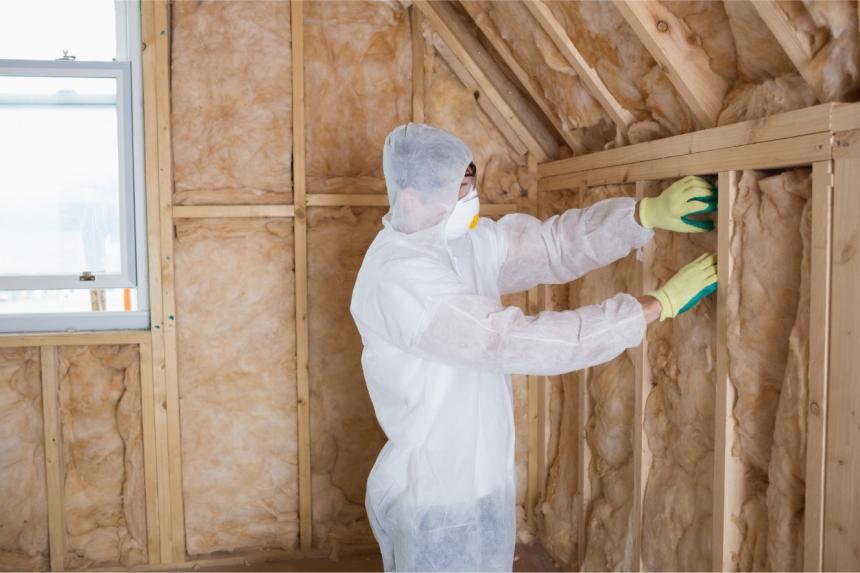
The Core Insulation Installation Standards Every Team Should Respect
When evaluating a contractor for your home, you need to know they meet the technical requirements of the trade. Proper application is just as necessary as the material itself.
Strict Adherence to Climate-Specific R-Values
Thermal resistance is measured by R-value, which dictates how well a material resists heat flow. Industry data indicate that nearly nine out of ten homes lack adequate insulation. To fix this, our team calculates the exact depth and density needed to meet local climate requirements. We evaluate the space and select the right product, whether that means applying high-density Closed Cell Spray Foam to exterior walls or installing thick Fiberglass Insulation in an attic.
Comprehensive Air Sealing Protocols
Adding material without stopping drafts is a waste of money. Current Standards require that installers seal gaps, cracks, and penetrations before the main insulating material is installed. We use specialized foams and caulks around plumbing stacks, electrical wires, and window frames. This stops conditioned air from escaping and prevents outside air from bringing humidity into your living spaces.
Proper Ventilation and Moisture Management
A house needs to breathe correctly. When we apply materials like Mineral wool Insulation or Blown-In Insulation in an attic, we always verify that soffit vents and ridge vents remain completely unblocked. Blocking airflow causes condensation, which leads to mold and rotting wood. We install baffles to maintain a clear path for air movement, protecting the structural integrity of your roof.
Bonus Tip: Before hiring an installation crew, ask how they plan to manage ventilation in your attic. If they do not mention installing baffles or protecting soffit vents, we highly recommend finding a professional who prioritizes these essential airflow systems.
Material Application and Safety Regulations
The materials we handle require careful temperature control, precise mixing, and proper safety equipment.
Spray Foam Mixing and Curing Times
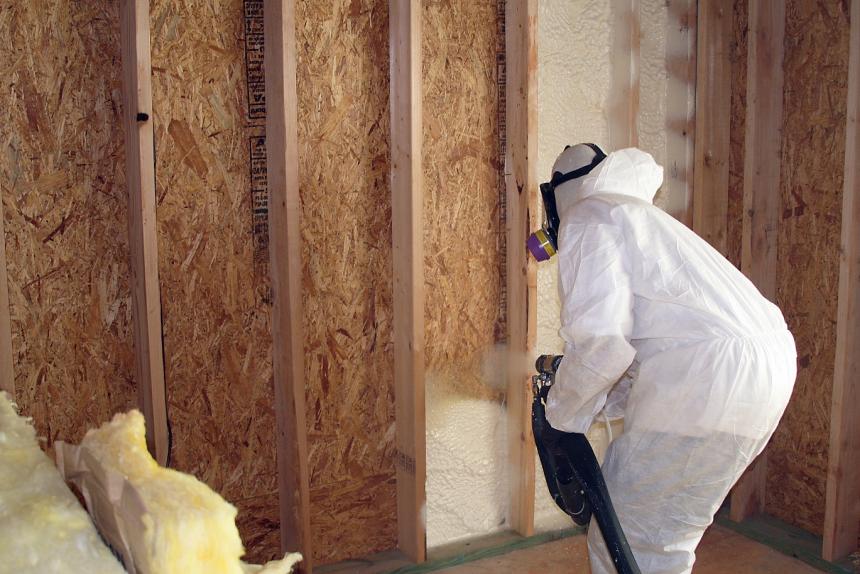
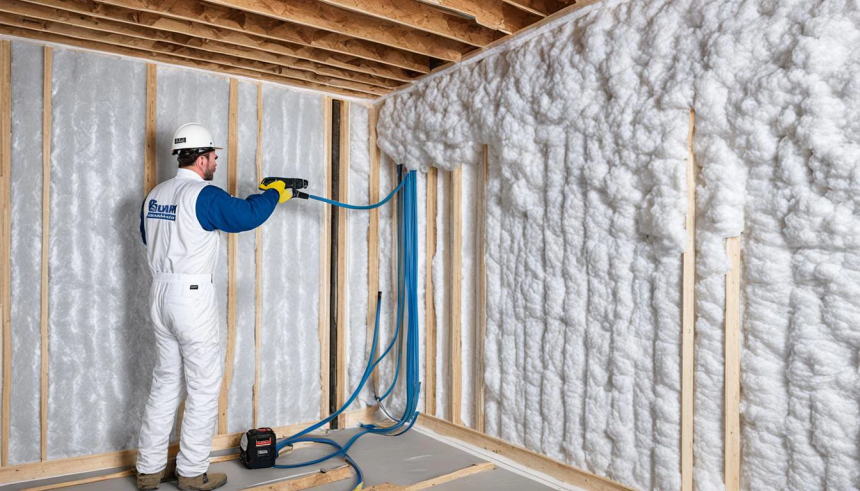
When working with Open Cell Spray Foam or Closed Cell Spray Foam, chemical proportioning must be exact. The equipment needs to be calibrated to the correct pressure and temperature based on the ambient weather conditions. Our installers monitor these gauges constantly. If the temperature is too low, the foam will not yield correctly or bond to the substrate. We always follow the specific temperature guidelines provided by the chemical manufacturers.
Required Thermal Barrier Systems
Building codes mandate that certain foam plastics must be separated from interior living spaces by an approved Thermal Barrier System, such as half-inch drywall or a certified intumescent coating. This slows the spread of fire. We never leave exposed spray foam in occupied areas, as doing so violates major safety regulations and puts occupants at risk.
Comparing High-Quality Applications to Poor Practices
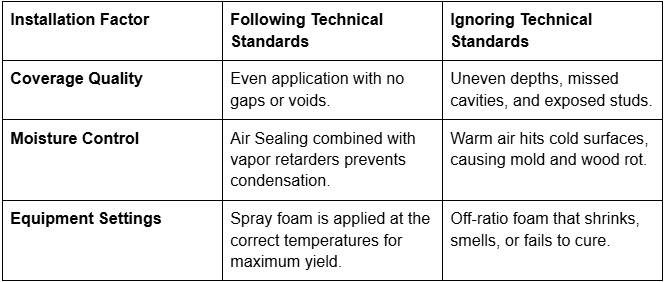
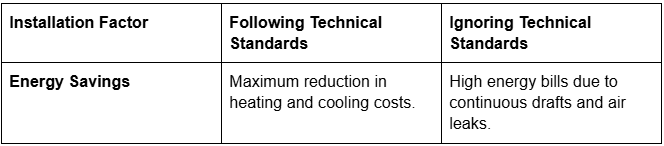
You can often see the difference between a contractor who follows strict Insulation Installation Standards and one who rushes the job. We assembled this table to show how proper techniques directly affect home performance.
Things to Consider Before Making a Decision
When you are ready to upgrade your property, you need to consider the specific requirements of your building. While the technical standards discussed above are universal, they apply differently based on your home's unique layout. Not every product fits every situation, and choosing the right service provider makes all the difference.
- Assess the Need for Crawlspace Encapsulation: If you have an open, vented dirt crawlspace, simply stuffing fiberglass between the floor joists will not solve moisture issues. We recommend fully sealing the space, adding Foundation Insulation to the walls, and installing a heavy vapor barrier to stop ground moisture from rising into your house.
- Evaluate New Construction Needs: If you are building a house from the ground up, this is the easiest time to achieve maximum energy efficiency. We handle New Construction Insulation by integrating air sealing and high-performance spray foam before the drywall goes up, saving you money on future retrofits.
- Check Contractor Credentials: Make sure the team you hire is insured and certified to use the specific chemicals they use. Ask about their warranty and cleanup process.
Bonus Tip: Take a flashlight and look at your current attic insulation. If the material sits below the level of the floor joists, your home is under-insulated and costing you money every month.
 Final Thoughts on Protecting Your Home
Maintaining proper Insulation Installation Standards is the only way to guarantee your home performs efficiently for decades. When a team pays attention to the small details, like sealing minor air leaks and ensuring proper attic ventilation, you get a comfortable living environment and lower energy bills. We believe in getting the job done right the first time because your home deserves reliable protection against the elements. Choosing the right contractor ensures that all local codes are met, safety protocols are followed, and your property remains structurally sound.
Let Us Help Keep Your Home ComfortableAtPeninsula Insulation, LLC, we pride ourselves on delivering high-quality residential, commercial, and agricultural services that strictly follow industry standards. Whether you need an attic upgraded, an entire crawlspace encapsulated, or an effective thermal barrier system installed, our team is ready to assist you.
We encourage you to reach out to us with any questions about your specific project needs. Email us at [email protected], call us directly at (410) 770-2624, or visit us here: https://maps.app.goo.gl/T8ytdfjSBUeeecbs8
Most residential projects, such as outfitting an attic or completing a standard Air Sealing package, take 1 to 2 days. Larger projects, like a full Crawlspace Encapsulation or a complete whole-home spray foam, might take a few days, depending on the square footage and ease of access.
Can I stay in my house while spray foam is applied?For safety reasons, occupants and pets must vacate the property during spray foam application and the required curing period. The exact time you need to stay away depends on the manufacturer's specific recommendations, which we will clearly communicate to you before we begin work.
Why does blown-in material settle over time?Loose-fill products naturally settle by a small percentage after installation. Industry data suggests standard fiberglass can settle by up to 10 percent. To account for this, we intentionally install a thicker layer of Blown-In Insulation at the start so that your final, settled depth still meets your required thermal resistance targets.
Does agricultural insulation differ from residential applications?Yes, Agricultural Insulation typically requires materials that can withstand high humidity, harsh temperatures, and potential pest interference. We usually rely on dense closed-cell foam for pole barns and agricultural buildings because it adds structural strength and acts as a heavy-duty vapor barrier.
he Complete Guide to Understanding LLWIN
he Complete Guide to Understanding LLWIN

Why a General Contractor Houston Team Handles Permits Properly
Unpermitted work, particularly electrical projects like house rewiring, can create serious...

Marketing for Accountants in the UK: How Accounting Firms Can Win Bett...
AdvisoryLab helps UK accounting firms grow online with specialist SEO, Google Ads, PPC, le...



Duodenal Ulcer Treatment Market Share, Trends, and Industry Analysis
Improved diagnosis and evidence-based treatment strategies are accelerating growth in the...
