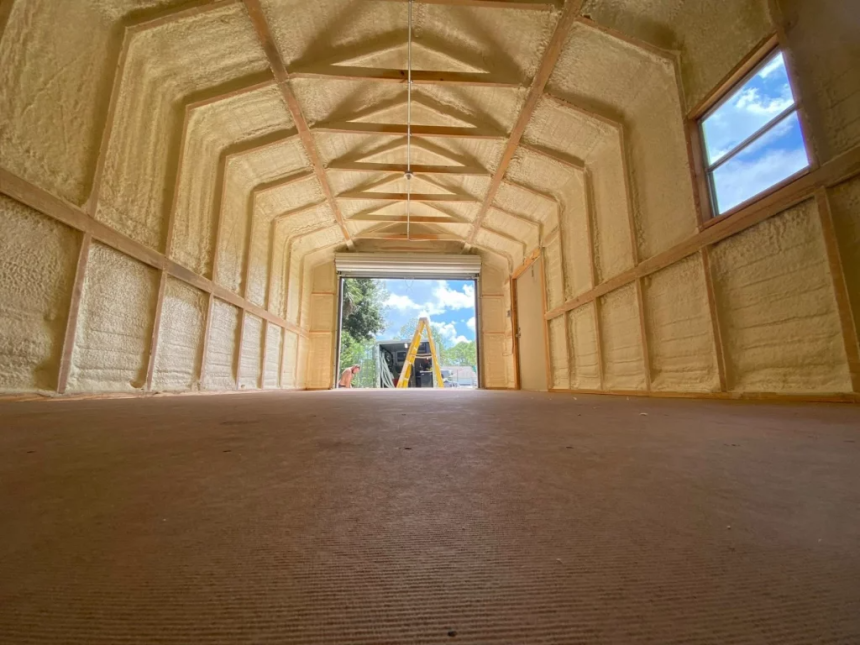

What Should You Know About Spray Foam Insulation Before Planning an Installation Project?
Before you start an installation project, you should know that Spray Foam Insulation is a premium material that expands upon application to create an airtight seal
Before you start an installation project, you should know that Spray Foam Insulation is a premium material that expands upon application to create an airtight seal. It combines high R-value thermal performance with superior moisture control, making it more effective than traditional fiberglass or cellulose in most modern building scenarios.
Successful insulation planning requires understanding how this material interacts with your home's ventilation and structural design. This guide provides an expert look at what you need to prepare for a successful project, ensuring your property remains energy-efficient and comfortable for years to come.
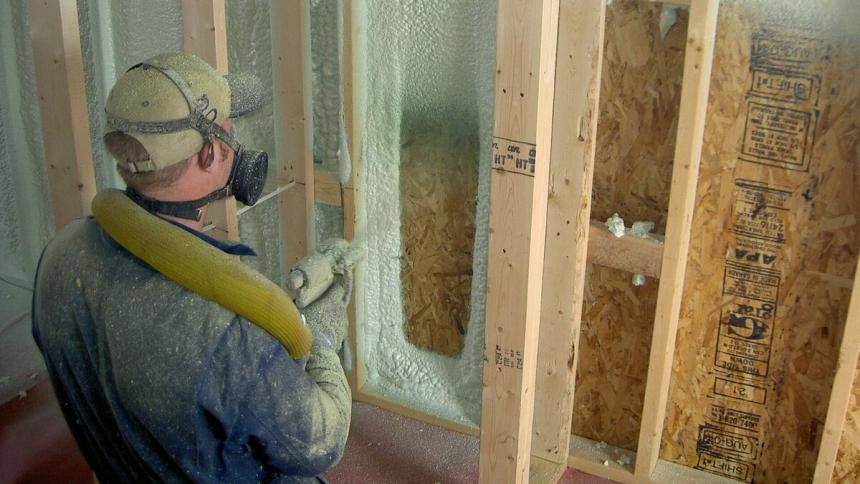
Understanding the different spray foam types
Choosing the right material is the first step in your project. You generally have two choices: open-cell and closed-cell foam. Open-cell foam is lighter, more flexible, and excellent for soundproofing, while closed-cell foam is dense, adds structural strength, and acts as a built-in vapor barrier.
Market data suggests that homeowners can reduce heating and cooling costs by up to 15% when switching to high-performance foam products. The decision usually depends on your specific goals, such as whether you need to prevent moisture in a basement or block noise between rooms.
Open-Cell Foam: Best for interior walls and attic ceilings where flexibility is needed.
Closed-Cell Foam: Ideal for exterior walls and areas prone to moisture exposure.
Bonus Tip: If you live in a rainy climate like the Pacific Northwest, closed-cell foam is often the better choice for crawl spaces because it does not absorb water.
Why is air sealing the most important factor?
One of the biggest advantages of foam installation is its ability to stop air leaks. Traditional batts often leave small gaps around wires, pipes, and outlets. Foam expands into these tiny crevices, creating a complete envelope that prevents drafts and keeps conditioned air inside.
Effective air sealing does more than just lower your bills. It also prevents allergens, dust, and pests from entering your living spaces. When you seal the house this tightly, you may need to check your HVAC system to ensure it still has sufficient fresh air circulation to operate safely.Managing your insulation planning timeline
You cannot just spray foam and immediately move back into a room. Most products require a curing period, typically between 12 and 24 hours. During this time, the chemicals react and harden, so the space must be vacated by residents and pets to ensure safety and proper ventilation.
Scheduling is a major part of the process. You should plan the installation after all electrical and plumbing work is finished but before the drywall is installed. This allows the installers to cover every necessary square inch without obstruction.
Bonus Tip: Ask your contractor for a specific "re-entry time" in writing so you know exactly when it is safe to return to the treated areas.
Comparing thermal insulation performance
When looking at thermal insulation, you will see references to R-value, which measures a material's resistance to heat flow. Foam offers a higher R-value per inch than almost any other material on the market. This means you can achieve better temperature control with thinner layers of material.
FeatureOpen-Cell FoamClosed-Cell FoamR-Value per inch3.5 to 3.86.0 to 7.0Expansion RateHigh (expands 100x)Low (expands 30x)StructureSoft and flexibleRigid and denseWater ResistancePermeable to vaporWaterproof barrierBest Use CaseSound dampeningStructural strength
How do you prepare your home for the crew?
Before the team arrives, you need to clear the work area. The installers need a wide path to move their hoses and equipment. If they are working in an attic or crawl space, remove all stored boxes, holiday decorations, and debris to give them full access to the surfaces.
You should also cover any items in nearby rooms with plastic sheeting. While professional teams are careful, the application process can create a fine mist. Taking a few minutes to protect your belongings ensures a much smoother cleanup process once the job is complete.
Environmental and climate considerations
The local climate plays a huge role in how Spray Foam Insulation performs. In colder regions, the focus is often on preventing heat loss through the roof. In humid areas, the focus shifts to preventing warm, moist air from hitting cold surfaces and causing mold growth.
Recent building studies show that nearly 40% of a building's energy is lost through air infiltration. By using a material that seals and insulates simultaneously, you address both heat transfer and air movement in one step, which is particularly effective in fluctuating coastal climates.
Critical factors to check before hiring a professional
Not all installation teams are equal. The chemical mixture must be heated to a specific temperature and applied at a precise pressure to function correctly. If the mix is incorrect, the foam might not adhere properly or could emit a lingering odor.
- Verify that the team has experience with the specific brand of foam they are using.
- Confirm they use high-grade ventilation equipment during the application.
- Ensure they provide a clear post-job inspection to verify the thickness of the foam.
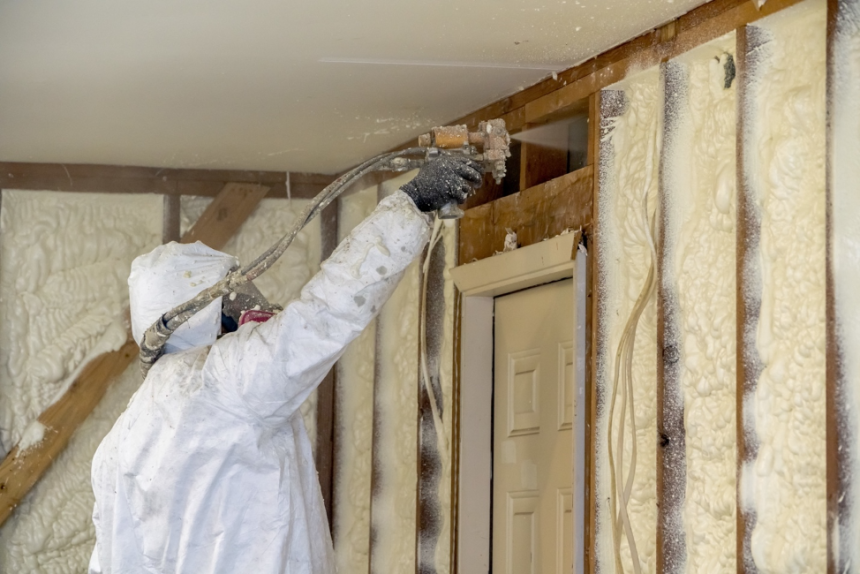
Ways to ensure your project stays on budget
Cost is always a factor, and while foam is a larger upfront investment, the long-term savings often justify the price. To keep costs down, focus on the "building envelope" first. This includes the attic, exterior walls, and the floor above a crawl space. Insulating these areas provides the fastest return on your investment.
You should also look into local energy rebates. Many utility companies offer financial incentives for homeowners who upgrade to high-efficiency materials. These programs can sometimes cover a significant portion of the material costs if the project meets specific energy-saving standards.
What are the common myths about spray foam?
Does spray foam cause wood rot?
No, as long as it is installed correctly. Foam prevents warm air from reaching cold wood, which actually stops condensation. If a roof leaks from the exterior, closed-cell foam might hide the leak for a time; therefore, regular roof inspections remain a good idea.
Is the odor permanent?
The "off-gassing" smell is temporary. With proper ventilation during and after the installation, the scent usually disappears within 24 hours. If a smell persists, it usually means the chemical mixture was not balanced correctly during application.
Can I do this myself with a kit?
While small "can foam" kits exist for gaps around windows, large-scale projects require industrial equipment. Professional rigs maintain the heat and pressure necessary for the foam to cure with the correct cell structure and R-value.
Will it make my house too tight?
A house can be "too tight" if it lacks mechanical ventilation. However, it is always better to build a tight house and then add controlled ventilation (such as an HRV or ERV system) than to have a drafty house that wastes energy.
Does it attract pests?
Actually, because foam seals the gaps that mice and insects use to enter a home, it often acts as a deterrent. Unlike fiberglass, it does not provide nesting material for rodents.
How to move forward with your project?
A successful project starts with a clear understanding of your property's needs. By choosing the right foam type and preparing your space properly, you can significantly improve your indoor comfort. Take the time to evaluate your insulation goals, whether they involve lower energy bills, better soundproofing, or moisture control. Once you have a plan, consulting with a specialist will help ensure the application meets all local building codes and performance standards.
Get professional guidance and a free estimate for your next project
When you are ready to move forward, working with a local expert can make all the difference. For residents in the Pacific Northwest, Cascadia Spray Foam Insulation of Seattle provides detailed assessments to help you choose the best materials for your specific home layout. They can help you understand the technical details of the installation and provide a free quote to help you plan your budget. You can reach their team at (425) 386-3500 or by emailing [email protected] to start your project.
Frequently Asked Questions
How long does spray foam insulation actually last?
It is designed to last the lifetime of the building. Unlike some materials that sag or settle over time, foam remains in place and maintains its R-value indefinitely unless it is physically damaged.
Can it be installed in an existing home?
Yes, it is often used in retrofits. It can be sprayed into open attics, crawl spaces, or even injected into wall cavities through small holes, though the latter requires a specific type of injection foam.
Is spray foam fire resistant?
Most modern foams contain flame retardants and are rated as Class 1 fire-rated materials. They will not act as a fuel source for a fire, though they must still be covered by a thermal barrier like drywall in living spaces.
Does it help with noise reduction?
Open-cell foam is particularly effective at absorbing sound waves. It is a popular choice for media rooms, home offices, or walls separating bedrooms from noisy living areas.
What is the best time of year for installation?
While it can be installed year-round, moderate temperatures are ideal. Extreme cold or high humidity can affect how the foam adheres to surfaces, though professional crews use heaters to manage these variables.
Build a Successful IT Career with Professional Training and Internship...

Teeth Whitening Before a Wedding: When to Start and What Works
Book a dental consultation 6 to 8 weeks before the wedding, and complete professional whit...

Affordable Delhi to Mussoorie Taxi for a Comfortable Journey
Book an affordable Delhi to Mussoorie cab with Mr. Cabby at fares starting from ₹12/km. En...

Expert Flower Delivery in Delhi NCR | Fresh Luxury Bouquets
Discover expert flower delivery in Delhi NCR by Sai Flower. Hand-crafted European spiral b...

Uterine Fibroids and Pregnancy: What Women Should Know
Uterine Fibroids and Pregnancy: What Women Should Know Uterine fibroids are non-cancero...
