

What Is the Difference Between Diesel AdBlue and Fuel Additives
If you need high-quality diesel AdBlue for your vehicle, make sure to choose a trusted supplier.
If you drive a diesel vehicle or work with diesel engines, you might have heard about Diesel AdBlue and fuel additives. These two products are often mentioned in vehicle maintenance, but many people get confused about what they really are and how they differ.
This blog will explain clearly what Diesel AdBlue is, what fuel additives are, and most importantly, how they are different. We will also talk about why each one is important for diesel engines and how you can use them properly.
Understanding Diesel AdBlue
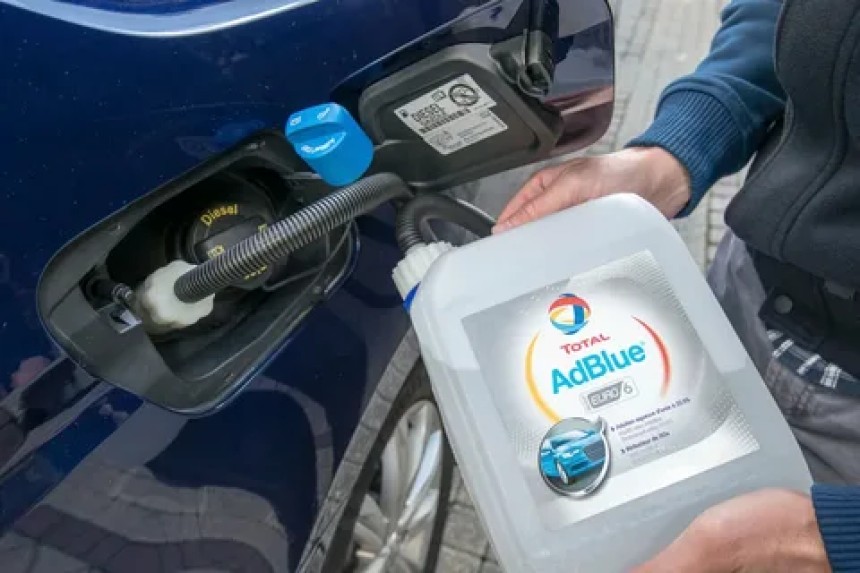
What Is Diesel AdBlue?
Diesel AdBlue is a special liquid used in some diesel vehicles to reduce pollution. It is made of a mixture of pure water and urea, which is a safe chemical. AdBlue is not fuel, and you never mix it with diesel. Instead, it goes into a separate tank in the vehicle.
How Does Diesel AdBlue Work?
Diesel engines produce nitrogen oxides (NOx) during combustion. NOx gases are harmful pollutants that can damage the environment and cause health problems.
AdBlue works by helping a system called Selective Catalytic Reduction (SCR). When AdBlue is sprayed into the exhaust gases of the engine, it changes the harmful NOx gases into harmless nitrogen and water vapor. This process helps diesel vehicles meet strict pollution rules.
Why Do Some Diesel Vehicles Need AdBlue?
Not all diesel engines use AdBlue, but many modern trucks, buses, and cars do. The reason is that governments have set tough rules for diesel emissions to keep the air cleaner. Vehicles with SCR systems use AdBlue to meet these rules and reduce harmful gases.
Understanding Fuel Additives
What Are Fuel Additives?Fuel additives are special liquids or chemicals that you add to your diesel fuel. They mix directly with the diesel and help improve the fuel's performance or the engine’s condition.
Fuel additives come in many types and do many jobs. Some additives clean the fuel system, some improve fuel flow in cold weather, and others help protect the engine from wear and corrosion.
Fuel additives work inside the engine or fuel system to:
- Clean fuel injectors and prevent clogging
- Stop the diesel from freezing in cold temperatures
- Increase fuel efficiency by helping the engine burn fuel better
- Protect engine parts from rust and corrosion
- Reduce smoke and unpleasant smells from the exhaust
Diesel fuel can sometimes contain impurities or may not burn perfectly in the engine. Fuel additives help fix these problems. People use fuel additives to keep their engines running smoothly, save on fuel costs, and reduce maintenance issues.
Key Differences Between Diesel AdBlue and Fuel Additives
Now that we understand what Diesel AdBlue and fuel additives are, let's look at the main differences between them.
1. Purpose and Use
- Diesel AdBlue is used to reduce harmful emissions, especially nitrogen oxides (NOx), from the exhaust. It works with the SCR system after the fuel is burned.
- Fuel Additives improve the quality of the diesel fuel itself and help the engine run better by cleaning, protecting, or improving fuel combustion.
2. How They Are Used
- Diesel AdBlue goes into a separate tank in diesel vehicles. It never mixes with the fuel tank.
- Fuel Additives are poured directly into the diesel fuel tank and mix with the fuel before combustion.
3. What They Contain
- Diesel AdBlue is made of urea and water, which are safe and non-flammable.
- Fuel Additives can contain many chemicals depending on their purpose. These chemicals improve fuel quality, clean engine parts, or protect the engine.
4. What Problems They Solve
- Diesel AdBlue helps reduce air pollution by converting harmful gases into harmless gases in the exhaust.
- Fuel Additives help the engine run cleaner, more efficiently, and prevent problems like fuel gelling in cold weather or injector clogging.
5. Vehicle Types That Use Them
- Diesel AdBlue is mainly used in modern diesel vehicles with SCR systems. This includes many trucks, buses, and some diesel cars.
- Fuel Additives can be used in almost all diesel vehicles and machines, including older models, to improve fuel and engine performance.
Why Diesel AdBlue and Fuel Additives Are Both Important
You might wonder if you need both Diesel AdBlue and fuel additives for your diesel vehicle. The answer is yes, but they serve different purposes.
If your vehicle has an SCR system, you must use AdBlue. Without it, your vehicle will not meet pollution standards, and the engine may reduce power or even stop running.
Fuel additives are optional but useful. They keep your engine and fuel system clean, especially if you use diesel fuel that might have impurities or if you drive in cold places where fuel can freeze.
How to Use Diesel AdBlue and Fuel Additives Correctly
Using Diesel AdBlue- Always fill the AdBlue tank with the correct AdBlue fluid; never use water or any other liquid.
- Check the AdBlue level regularly, especially before long trips. Your vehicle should warn you when the level is low.
- Store AdBlue in a cool, dry place because it can break down if kept too hot or too cold for long.
- Use the right type of additive for your needs (cleaner, anti-gel, performance booster, etc.).
- Follow the instructions on the additive bottle for the correct amount to use.
- Add the fuel additive before filling the fuel tank to help mix it well with the diesel.
- Avoid overusing additives, as this can harm the engine or fuel system.
Common Questions About Diesel AdBlue and Fuel Additives
Can I Use Fuel Additives Instead of Diesel AdBlue?No. Fuel additives and Diesel AdBlue do different jobs. Fuel additives improve fuel quality and engine condition, but they do not reduce harmful emissions like AdBlue does.
If you run out of AdBlue in a vehicle that needs it, your vehicle may warn you and eventually limit engine power or stop running to protect emission standards.
No. AdBlue must never be mixed with diesel fuel. They go into separate tanks.
Most fuel additives are safe when used as directed, but it is best to choose additives designed for your engine type and fuel quality.
Conclusion: Know the Difference to Keep Your Diesel Engine Running Well
Diesel AdBlue and fuel additives are two important but different products for diesel vehicles. AdBlue helps reduce pollution by cleaning exhaust gases, while fuel additives improve the quality of diesel fuel and protect the engine.
Knowing the difference helps you use each product correctly and keep your vehicle running smoothly, cleanly, and efficiently.
If you have a diesel vehicle, check your owner's manual to see if you need Diesel AdBlue. Also, consider using fuel additives if you want to protect your engine or improve fuel performance.
For more insightful articles related to this topic, feel free to visit : blogs.bangboxonline

MS Angle Price Trend Q2 2026 | Price Trends, Forecast, Chart, Prices a...


How to Choose the Right Wooden Box for Export and Industrial Shipping?


What Factors Should You Consider Before Choosing Female Viagra Pills?
Before choosing a product, identify the concern you want to address. Low sexual desire, di...