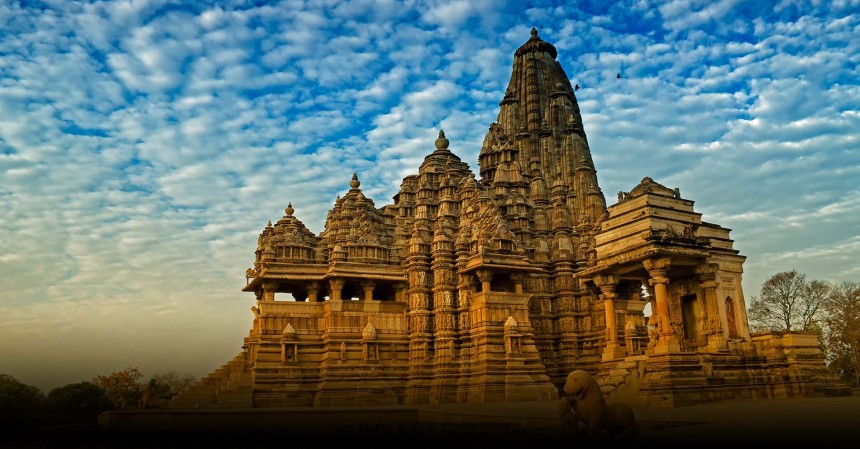

What is Nagara Temple Style and How to Design it Beautifully?
Know about the very detail about the Nagara Temple style and also learn how to design it beautifully and devotionally.
Temples in India are more than just places of worship—they are masterpieces of art, culture, and spirituality. Among the many architectural styles, the Nagara style stands out with its towering spires and intricate carvings. If you've ever wondered what makes these temples so special or how to design one beautifully, this guide is for you.
What Makes Nagara Temples Unique?
Imagine walking through a temple complex where the main shrine rises like a mountain peak, drawing your eyes upward. That’s the essence of Nagara-style temples. Originating in Northern India, these temples have distinct features:
- Curvilinear Towers (Shikharas): The most striking element is the tall, beehive-shaped spire that symbolizes the sacred mountain Meru.
- Mandapa and Garbhagriha: The temple layout usually includes a hall (mandapa) leading to the inner sanctum (garbhagriha), where the deity resides.
- Intricate Carvings: Gods, goddesses, mythical creatures, and floral patterns adorn the walls, telling stories from ancient scriptures.
- No Boundary Walls: Unlike Southern temples, Nagara-style temples often stand freely without massive enclosure walls.
Famous examples like the Kandariya Mahadeva Temple in Khajuraho and the Lingaraja Temple in Bhubaneswar showcase the grandeur of this style.
How to Design a Nagara Temple Beautifully
Designing a Nagara-style temple architecture is like sculpting a divine abode. Here’s how you can capture its essence:
1. Start with a Strong Foundation
Every great temple begins with a solid base. Traditionally, the foundation is laid after rituals and precise measurements (following the Vastu Shastra). The temple should face east, symbolizing the rising sun and divine energy.
2. Shape the Shikhara with Grace
The shikhara is the soul of a Nagara temple. To design it beautifully:
- Use a Gradual Curve: The tower should rise smoothly, resembling a mountain.
- Add Miniature Spires (Urushringas): Small decorative spires around the main shikhara enhance its grandeur.
- Top it with an Amalaka: A ribbed, disc-like stone (amalaka) crowns the shikhara, symbolizing the lotus of creation.
3. Carve Stories into Stone
The walls of a Nagara temple should come alive with carvings. Consider:
- Mythological Scenes: Depict stories from the Puranas or epics like the Mahabharata.
- Deities in Niches: Place statues of gods and goddesses in recessed panels.
- Floral and Geometric Patterns: Use lotus motifs, vines, and symmetrical designs for a balanced look.
4. Plan the Inner Spaces Thoughtfully
- Garbhagriha (Sanctum): Keep it small and dark, representing the womb of the universe. Only priests enter here.
- Mandapa (Hall): Design it with pillars for devotees to gather. The ceiling can have ornate carvings or lotus designs.
- Antarala (Vestibule): A connecting passage between the mandapa and garbhagriha adds a sense of progression.
5. Choose the Right Materials
Traditional Nagara temples were built with sandstone or granite, which weathered beautifully over time. Modern designs can use these materials or high-quality substitutes that mimic the same texture.
6. Balance Symmetry and Proportion
Harmony is key in Nagara temple architecture. Follow the Vastu Purusha Mandala, a sacred grid that ensures perfect proportions. Every element, such as doorways, pillars, and spires, should align in symmetry.
7. Add Finishing Touches
- Kalasha (Pinnacle): Place a golden or stone pot at the very top for auspiciousness.
- Torana (Gateway): A decorative arch at the entrance welcomes worshippers.
- Lighting: Soft, warm lights can highlight carvings during evening prayers.
Why Nagara Temples Still Inspire Today
Even after centuries, Nagara-style temples leave us in awe. Their design isn’t just about beauty, as it’s a spiritual journey in stone. Whether you’re an architect, a devotee, or simply an admirer of art, understanding this style helps you appreciate the genius of ancient Indian craftsmanship.
If you ever get a chance to design or visit a Nagara-style temple, take a moment to observe the details. Every curve, every carving has a meaning. And that’s what makes it timeless.






CNC Automatic Lathe: Improving Precision and Productivity in Modern Ma...
Modern manufacturing depends on accuracy, efficiency, and consistent product quality.