What Is in a Glycolic Acid Peel?
Glycolic acid is a naturally occurring alpha-hydroxy acid (AHA) derived from sugarcane. It is renowned for its small molecular size, which allows it to penetrate the skin efficiently.
If you’re exploring advanced skincare solutions, understanding what is in a Glycolic Acid Peel is essential for achieving radiant and healthy skin. Those seeking Glycolic Acid Peel in Dubai can benefit from treatments at Dynamic Life Clinics, where professional-grade chemical peels are tailored to suit different skin types and concerns. Glycolic acid peels are widely recognized for their exfoliating properties and ability to rejuvenate the skin, making them a popular choice for individuals aiming for smoother, brighter complexions.
Understanding Glycolic AcidGlycolic acid is a naturally occurring alpha-hydroxy acid (AHA) derived from sugarcane. It is renowned for its small molecular size, which allows it to penetrate the skin efficiently. By breaking down the bonds between dead skin cells, glycolic acid facilitates the removal of surface layers, encouraging cell turnover and promoting the growth of fresh, healthy skin.
Key benefits of glycolic acid include:
- Gentle exfoliation suitable for most skin types
- Improved skin texture and tone
- Reduction of fine lines and pigmentation
- Enhanced absorption of other skincare products
A standard glycolic acid peel contains a combination of ingredients designed to optimize exfoliation while minimizing irritation. The primary components include:
- Glycolic Acid – The main active ingredient, usually in concentrations ranging from 20% to 70%, depending on the strength of the peel.
- Buffering Agents – These help regulate the acidity of the peel to protect the skin and reduce sensitivity.
- Hydrating Elements – Ingredients such as aloe vera or glycerin are often included to maintain moisture during and after the peel.
- Neutralizers – Certain formulations include neutralizing agents to stop the peel’s activity at the right time, ensuring safety for the skin.
- Additional Botanicals – Some peels may include calming or antioxidant-rich extracts like chamomile or green tea to soothe the skin.
When applied, glycolic acid penetrates the upper layers of the epidermis, loosening the bonds between dead skin cells. This process stimulates cellular regeneration and reveals a smoother, brighter layer beneath. Over time, repeated treatments can help reduce the appearance of:
- Dark spots and hyperpigmentation
- Fine lines and early signs of aging
- Acne scars and post-inflammatory marks
- Rough or uneven skin texture
The action of glycolic acid is not limited to the skin surface; it also promotes collagen production in deeper layers, improving elasticity and firmness over time.
Different Types of Glycolic Acid PeelsNot all glycolic acid peels are the same. They can be categorized based on concentration, strength, and intended purpose:
- Superficial Peels – Lower concentrations (20-30%) for mild exfoliation, suitable for sensitive or dry skin.
- Medium Peels – Concentrations around 40-50% target moderate pigmentation, fine lines, and acne scars.
- Combination Peels – Glycolic acid mixed with other AHAs or BHAs for enhanced exfoliation and specific skin concerns.
Choosing the right type depends on your skin type, the condition being treated, and your dermatologist’s recommendation.
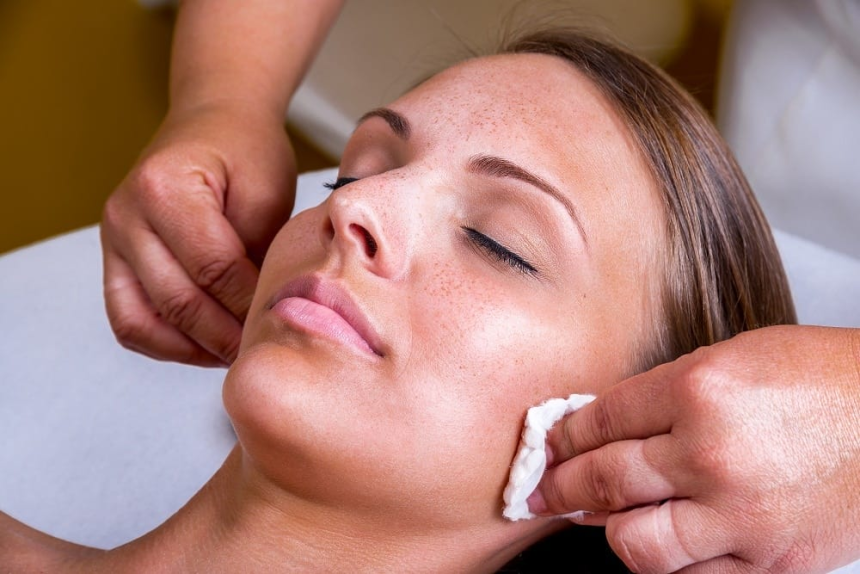
Application Process of a Glycolic Acid PeelA professional glycolic acid peel is performed in a controlled clinical setting to ensure safety and effectiveness. The process typically involves:
- Skin Preparation – Cleansing the skin to remove oils, dirt, and makeup.
- Application of the Peel – The glycolic acid solution is carefully applied, sometimes in multiple layers, depending on the desired effect.
- Monitoring – The skin is closely observed for signs of irritation or overexposure.
- Neutralization – If required, a neutralizer is applied to halt the acid’s action.
- Post-Treatment Care – Hydrating serums or soothing masks are often applied to calm the skin and reduce redness.
After a glycolic acid peel, the skin is more sensitive and requires gentle care. Some essential post-peel tips include:
- Use a mild cleanser and avoid scrubbing
- Apply a broad-spectrum sunscreen daily
- Moisturize regularly to prevent dryness
- Avoid harsh chemical or physical exfoliants for at least a week
- Refrain from prolonged sun exposure to prevent pigmentation
Following these guidelines ensures optimal results and minimizes the risk of irritation or pigmentation.
Who Can Benefit from a Glycolic Acid Peel?Glycolic acid peels are suitable for a wide range of skin types and concerns, including:
- Individuals with dull or uneven skin tone
- Those experiencing early signs of aging like fine lines or sagging
- People with acne-prone skin or mild acne scarring
- Anyone looking for smoother, more radiant skin
However, people with extremely sensitive skin, active eczema, or open wounds should consult a dermatologist before undergoing treatment.
ConclusionUnderstanding what is in a Glycolic Acid Peel helps you make informed decisions about incorporating chemical peels into your skincare routine. With the combination of exfoliating acids, hydrating elements, and soothing botanicals, glycolic acid peels offer a safe and effective method to rejuvenate the skin. For residents in Dubai, professional treatments like Glycolic Acid Peel in Dubai at Dynamic Life Clinics provide targeted results with minimal downtime, leaving the skin brighter, smoother, and healthier.

MS Angle Price Trend Q2 2026 | Price Trends, Forecast, Chart, Prices a...


How to Choose the Right Wooden Box for Export and Industrial Shipping?


What Factors Should You Consider Before Choosing Female Viagra Pills?
Before choosing a product, identify the concern you want to address. Low sexual desire, di...