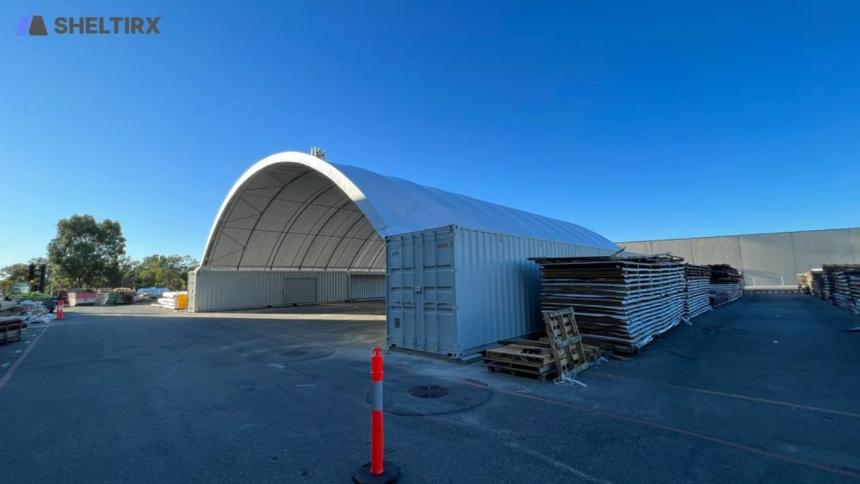

What Is a Container Canopy Shelter? Complete Buyer's Guide for 2026
If you've spent any time managing a construction yard, equipment depot, or outdoor staging area, you've probably run into the same problem: you need covered storage fast, but a permanent building is either too expensive, too slow to permit, or simply not practical for the site.
That's where container-based shelter systems have carved out a real market. Over the past decade, these structures have moved from being a niche workaround into one of the most practical storage solutions in American industrial and commercial settings. And yet, a surprising number of buyers still walk into the purchase with significant gaps in their understanding of what these systems actually involve — the construction, the costs, the limitations, and where they genuinely excel.
This guide is built around the real questions buyers ask before committing to a container canopy shelter. Whether you're sourcing for a single job site or equipping multiple facilities, understanding what's actually in front of you makes for smarter procurement.
What These Structures Actually Are
At their core, container-mounted canopy systems are exactly what the name suggests: a roof and sidewall structure that mounts directly to the top rails of standard ISO shipping containers. The containers themselves serve as the foundation and anchor points, and a steel or aluminum frame rises from them to support a tensioned fabric cover or sometimes a rigid panel system.
The appeal is structural and logistical at once. You're not pouring a concrete foundation. You're not waiting on building permits for a permanent structure in most jurisdictions. You're building on what's already there — the containers themselves — and extending their utility into covered, protected space.
These structures range from relatively simple lean-to configurations to wide clear-span builds covering thousands of square feet. Some mount to a single row of containers, spanning the gap between them to create a covered corridor or open-sided storage bay. Others use containers along the perimeter as ballast and anchor points for a much larger fabric-covered building in the center.
It's worth clarifying that these are distinct from just placing a tarp or canopy frame loosely over a container. A proper container-based shelter system is an engineered structure with rated wind and snow loads, designed mounting hardware, and purpose-built framing. The engineering matters, especially if you're storing heavy equipment or operating in regions with serious weather.
How the Systems Work
The mechanics behind these shelters are pretty straightforward once you understand the two main structural elements: the frame system and the cover material.
- The frame is typically hot-dip galvanized steel or powder-coated steel, sometimes aluminum in lighter-duty applications. The uprights bolt or clamp directly to the container's corner castings — those standardized steel fittings at each corner of an ISO container — which are rated to handle significant vertical and lateral loads. From there, arched or peaked rafters span across the top, depending on the design.
- The cover is almost universally a high-density polyethylene (HDPE) fabric or a PVC-coated fabric. The HDPE versions are typically used in applications requiring UV resistance and breathability. PVC covers offer a tighter moisture seal and are preferred in environments where rain infiltration is a real concern. Some applications use twin-wall polycarbonate panels instead of fabric, which offers natural light transmission and a more rigid profile.
The tensioning system matters more than most buyers realize. A poorly tensioned fabric cover will flap in wind, abrade faster at the contact points, and eventually fail prematurely. Quality systems use ratchet straps, tensioning cables, or integrated tensioning rails that distribute load evenly across the fabric.
Industries That Use Them Regularly
The range of applications in the United States is broader than most people expect.
- Construction and contracting is probably the most obvious user base. A shipping container shelter parked on a job site gives you secure, weather-protected storage for materials, tools, and equipment without requiring any site preparation beyond a level pad for the containers.
- Agriculture and farming — particularly grain operations, equipment dealers, and large-scale farms — have adopted these structures for protecting tractors, planters, combines, and parts inventory. The ability to move the system to a different location seasonally is a genuine operational advantage here.
- Municipal and government agencies use container-mounted structures for equipment yards, road department storage, emergency preparedness staging, and public works applications. The procurement process for temporary structures is generally simpler than for permanent buildings at the municipal level.
- Logistics and distribution operations use them to expand covered staging capacity without committing to new construction. A distribution center running out of covered dock space can add meaningful square footage quickly using these systems.
- Oil, gas, and industrial operations deploy them as field shelters, equipment protection structures, and temporary maintenance bays on remote job sites where conventional construction isn't practical.
- Military and defense contractors have a long history with ISO container-based systems generally, and container-mounted shelter systems fit naturally into expeditionary and temporary base logistics.
Real Benefits Worth Knowing
The key selling point for most buyers — especially those who've priced out traditional construction — is speed. A competent installation crew can get a container shelter system up in a day or two for a mid-size configuration. Compare that to the timeline for a metal building permit, foundation work, and erection, and the time savings alone can justify the choice.
Relocatability is the second major factor. Because the containers are the foundation, moving the entire system to a new location means moving the containers. In leased yards or temporary operations, this is often the deciding factor. You're not leaving a slab behind. You're not abandoning a permanent building when you vacate the site.
The cost math is also typically favorable compared to engineered metal buildings of equivalent covered area, particularly when you factor in foundation costs on a permanent structure. That said, comparing cost-per-square-foot between a container shelter system and a traditional pre-engineered building isn't entirely apples-to-apples — the use cases overlap but aren't identical.
Storage capacity gets an upgrade, too. The containers themselves become usable storage space — secured, weatherproof storage — while the overhead canopy covers additional open staging or equipment areas.
Frame Materials and Build Quality
Not all frame systems are built the same, and this is an area where buyers occasionally get burned by opting for the cheaper option without understanding the tradeoffs.
- Hot-dip galvanized steel is the standard for heavy-duty commercial and industrial applications. The galvanizing process coats the steel inside and out, providing corrosion resistance that holds up in coastal environments, agricultural chemical exposure, and high-humidity conditions.
- Powder-coated steel is more common in lighter-duty systems and residential-adjacent applications. It looks cleaner from an aesthetics standpoint but doesn't provide the same level of corrosion resistance as hot-dip galvanizing, especially where the coating gets chipped or scratched during installation.
- Aluminum frames show up in smaller-span or lighter-use systems. Aluminum doesn't rust, which is attractive, but it's also softer and more prone to deformation under heavy loads. Most serious commercial buyers end up back on steel for anything over about 40 feet of clear span.
Frame wall thickness and member sizing matter. Ask for engineering documentation on any system you're seriously considering. Reputable manufacturers will have stamped engineering drawings available for their standard configurations, which is also important if you end up needing a permit.
Weather Resistance and Performance in American Climates
The United States covers an enormous range of climatic conditions, and a shelter system that works fine in central California might need significant upgrades to perform in coastal Texas or western Minnesota.
- Wind loads are the primary structural concern for most buyers. Systems need to be rated for the wind speed requirements of the local building code, which in many areas means 90+ mph design wind speed. In hurricane-prone coastal areas, those requirements can be substantially higher. Container-mounted systems have a real advantage here because the containers themselves provide significant ballast — a loaded 40-foot container weighs close to 50,000 pounds — but the frame connections and cover tensioning still need to be up to the task.
- Snow loads matter in the upper Midwest, Mountain West, and Northeast. A flat-profile canopy that can handle 20 psf ground snow load in Kansas might be completely inadequate in northern Minnesota where ground snow loads can reach 50+ psf. Peaked roof profiles shed snow better than arched profiles in heavy accumulation areas. If you're buying for a northern climate, ask specifically about the snow load rating.
- UV degradation is a slow-moving concern that buyers often don't think about until they're replacing a cover ahead of schedule. HDPE fabrics with UV inhibitors built into the weave will outlast unprotected materials by years in sunny climates. Check the UV rating and expected service life of any cover fabric you're specifying.
Installation Process
Most container shelter systems sold in the USA come as a flat-pack kit that ships on a pallet or pallet-and-crate combination. You'll need a forklift or boom truck for unloading and a small crew for assembly — typically three to five people for a mid-size system.
The installation sequence typically follows this pattern:
- Position and level the containers on a prepared pad or firm grade.
- Attach the base plates or corner casting adapters to the containers.
- Erect the vertical uprights from the base plates.
- Install the ridge beam or apex structure at the top.
- Run the rafter arches or portal frames from uprights to ridge.
- Pull the cover fabric over the frame structure.
- Tension and secure the cover using the system's tensioning hardware.
- Install any gable ends, doors, or sidewalls as needed.
The process is manageable for an experienced crew, but first-timers should account for extra time on the cover installation step — fabric covers are awkward to handle and easy to damage if pulled over sharp edges. Some manufacturers include anti-abrasion strips at the contact points; if yours doesn't, add them before tensioning.
Anchor requirements depend on your surface. On a concrete pad, anchor bolts through the container floor or perimeter anchors into the slab are typical. On compacted gravel or dirt, container weight plus ground anchors usually provides adequate resistance for most wind zones.
What It Actually Costs
Pricing on these systems varies widely based on span width, length, frame quality, and cover specification. Without getting into specific figures that will be outdated quickly in a volatile materials market, here's how to think about the cost structure:
The frame system and cover together represent the majority of the cost. Upgrades in frame material — from powder coat to hot-dip galvanizing, or from lighter-gauge to heavier-gauge steel — add to the base cost but extend service life significantly.
Add-ons like gable end walls, man doors, roll-up doors, ventilation panels, and guttering are often sold separately and can add meaningful cost to the base system price. Get a fully-configured quote, not just a base structure price, before comparing suppliers.
Freight is a real cost factor on these systems. Steel framing is heavy, and depending on where you're located relative to the manufacturer's warehouse, freight can represent 10-20% of the project cost.
Installation is typically a buyer-provided cost unless you're purchasing from a supplier who includes turnkey installation in their offering. If you're managing your own installation crew, factor in the labor hours realistically.
Brands like Sheltirx publish product-level specifications that include load ratings and cover material details — useful as a baseline for comparing what different suppliers are actually offering in their standard configurations.
Permit Considerations in the USA
The permitting landscape for container-mounted structures varies significantly by state, county, and municipality. This is an area where broad generalizations fail quickly, but there are some patterns worth understanding.
Most jurisdictions distinguish between "temporary" and "permanent" structures in their building codes. Container-mounted shelters that are removable — not attached to a permanent foundation, not connected to permanent utilities — often fall into a temporary structure category that requires a simpler or sometimes no formal building permit, particularly for short-duration use.
That said, "temporary" is a loaded term in zoning and building code contexts. Some jurisdictions define temporary as 180 days. Others mean something closer to six months per year, allowing renewal. A few draw the line at whether the structure has a foundation, regardless of duration.
If you're planning to leave a container shelter system in place for an extended period, checking with your local building department before purchase is genuinely important. Some counties in states with active construction markets have become more attentive to unpermitted structures over the past few years. Getting an after-the-fact permit or removal order is an expensive and avoidable problem.
Industrial and commercial zoning generally gives more flexibility than agricultural or residential zoning for these structures. If you're operating in a properly-zoned industrial yard, you'll typically have more latitude than a farm operation adjacent to a residential area.
Mistakes Buyers Make
After watching a fair number of these projects go sideways, a few recurring mistakes stand out.
- Underspecifying the frame for the climate. Buying a system rated for mild weather and deploying it in a zone with real snow or wind loads is the most common structural failure pattern. Don't let a lower price point on a lighter-duty system lead you into a snow load or wind event problem.
- Ignoring the containers' condition. The containers are structural components. A container with significant top rail corrosion or damage compromises the mounting points for the shelter frame. If you're sourcing containers separately from the shelter, have them inspected before mounting the frame.
- Buying too small. Equipment grows. Staging needs change. A system that fits your current inventory almost always turns out to be tight within a year or two. Buying one span width larger than you think you need is consistently good advice from operators who've been through the process.
- Skipping engineering documentation. Even if you're in a jurisdiction that doesn't require a permit, having stamped engineering drawings for the system you purchased is valuable documentation if questions arise later — from an insurance claim, a safety inspection, or a future permit process.
- Treating the cover as a consumable. Quality fabric covers on well-maintained systems last 10–15 years. Abused or improperly tensioned covers fail in three. Tensioning checks, keeping debris off the cover, and periodic cleaning extend cover life dramatically.
How to Choose the Right System
A few questions worth working through before you contact suppliers:
What span width do you actually need? Measure your largest piece of equipment with realistic clearance on each side. Add at least four feet per side for operational movement. That's your minimum interior clear span.
How long will the structure be in place? If this is genuinely a two-year temporary installation, a lighter system may be appropriate. If "temporary" is just your accounting category and the structure will be there indefinitely, spec it like a permanent one.
What's your local wind and snow load requirement? Check your county's adopted building code or call the local building department. Get a system that meets or exceeds that requirement.
What side access do you need? Open sides, roll-up doors, hinged doors, and solid fabric sidewalls all have different functional and cost implications. Think through your daily operations — how equipment moves in and out, whether you need to block wind from a prevailing direction, whether natural light matters inside the structure.
Who is installing it? If you're using your own crew, look for a system with clear installation documentation and accessible manufacturer support. A first installation on a new system type will take longer than subsequent ones — plan accordingly.
Final Thoughts
Container-mounted shelter systems occupy a specific and genuinely useful niche in the American commercial and industrial storage market. They're not the right answer for every application, but for buyers who need covered space quickly, on sites where permanent construction isn't practical, or in operations where relocatability matters, they're one of the more rational choices available.
The key is buying with realistic expectations and appropriate specifications. A properly engineered, properly installed system in a suitable climate will serve reliably for a long time. A misspecified or poorly installed one creates problems that outweigh the initial cost savings.
Do the homework on permitting before you commit. Verify engineering documentation. Spec for your actual climate, not a best-case scenario. And factor total installed cost — including freight, installation, anchoring, and accessories — into your comparison, not just the base structure price.
FAQs
Do container canopy shelter systems require a building permit in the USA?
It depends heavily on your location and the intended duration of use. Many jurisdictions classify removable container-mounted structures as temporary, which may exempt them from standard building permits or subject them to a simpler temporary structure process. Some counties require permits regardless of "temporary" status. The safest approach is to contact your local building department directly before purchase. Don't rely on what worked in a neighboring county — codes and enforcement vary significantly even within the same state.
How long does a fabric cover typically last on a container shelter system?
Under normal operating conditions, a quality UV-stabilized HDPE or PVC fabric cover should last 10 to 15 years. Factors that shorten cover life include improper tensioning (leading to flutter and abrasion), debris accumulation on the roof, chemical exposure, and extended UV exposure without UV-inhibitor treatments. Regular tensioning checks and keeping the cover clean go a long way. If you're in a high-UV climate like the Southwest, prioritize cover fabrics with higher UV stabilization ratings.
Can these structures withstand serious wind and snow loads?
Engineered systems from reputable manufacturers are designed to meet specific load ratings, and many are certified to meet local building code requirements. The containers themselves add significant ballast. That said, not all systems are equal — a light-duty residential-grade canopy frame won't perform the same as a commercial industrial shelter system. Always ask for the system's rated wind speed and snow load, and verify it against your local code requirements. Don't assume a product sold in the USA is automatically rated for your specific climate.
What size containers do these systems work with?
Most systems are designed for standard ISO 20-foot and 40-foot shipping containers. Some manufacturers offer configurations for high-cube containers (which are 9'6" tall versus the standard 8'6") or non-standard lengths. If you're working with containers that aren't standard ISO dimensions — military ISOs, offshore containers, or purpose-built units — verify compatibility with the manufacturer before ordering.
How much space does a typical container shelter system actually cover?
Clear span widths for container-mounted systems typically range from around 20 feet to over 80 feet, depending on the manufacturer and system configuration. The most common commercial configurations for equipment storage fall in the 40–60 foot clear span range. Length is modular and can be extended by adding additional bays. A two-container configuration with a 40-foot span and 40 feet of length gives you 1,600 square feet of covered space — which is a meaningful storage footprint for most small-to-mid-sized operations.


How to Buy a Diamond Engagement Ring in Greenbrae for a Halloween Prop...

Unlisted Shares in India: A Complete Guide to Private Market Valuation...


How to Shop Premium Necklaces for Women Online in the USA for Hallowee...