
What Factors Should Minnesota Property Owners Consider Before Choosing Crawl Space Encapsulation?
Crawl space encapsulation can help Minnesota property owners control ground moisture, air leakage, condensation, and cold crawl space conditions, but the right approach starts with an inspection.
Crawl space encapsulation can help Minnesota property owners control ground moisture, air leakage, condensation, and cold crawl space conditions, but the right approach starts with an inspection. The condition of the foundation, drainage, soil, vapor barrier, insulation, and air leaks should be checked before any materials are installed.
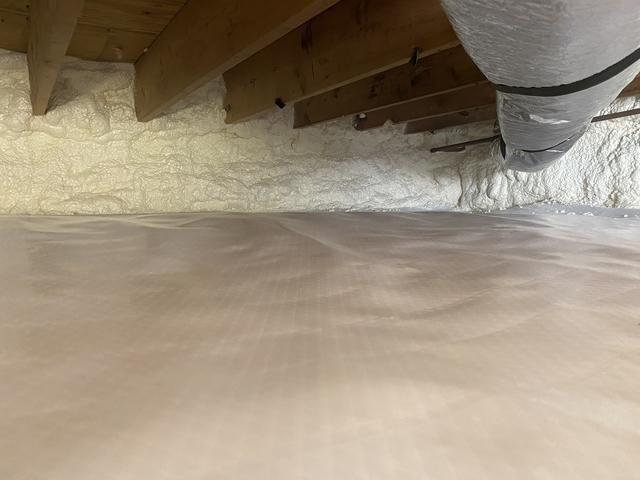
For Minnesota properties, Crawl Space Encapsulation Property Protection is not simply about covering the ground with a liner. A complete plan may include moisture control, drainage improvements, sealed vapor barriers, foundation wall insulation, air sealing, and controlled humidity. Local weather and the condition of the existing crawl space should guide the work.
Why Crawl Space Encapsulation Matters In Minnesota?
Minnesota crawl spaces face a difficult mix of cold winters, spring thaw, summer humidity, rain, and changing soil moisture. These conditions can create moisture problems even when the living areas above appear dry. A vented crawl space can allow outdoor air to enter while cold foundation surfaces remain exposed. During humid periods, this can contribute to condensation.
A properly designed crawl space should control moisture from the ground and outside water sources before insulation and air sealing are treated as the complete solution. Building Science crawl space insulation guidance recommends treating crawl spaces more like small basements, with sealed ground covers, perimeter insulation, air sealing, and appropriate moisture control.
Start With A Crawl Space Inspection
Before encapsulation begins, the crawl space needs a close inspection. Covering existing moisture problems without correcting their source can leave the property with the same problem underneath the new system.
Check For Standing Water
Look for water around foundation walls, low areas, plumbing lines, sump pits, and other locations where water may collect.
Standing water can point to drainage problems, groundwater entry, plumbing leaks, or poor grading outside the foundation.
Look For Condensation
Condensation may appear on cold foundation surfaces, pipes, ducts, rim joists, or other components.
A crawl space can also have excessive humidity without visible puddles. A moisture assessment should consider both visible water and conditions that allow moisture to accumulate
Inspect Existing Vapor Barriers
Old plastic sheeting may be torn, loose, poorly overlapped, or missing along foundation walls.
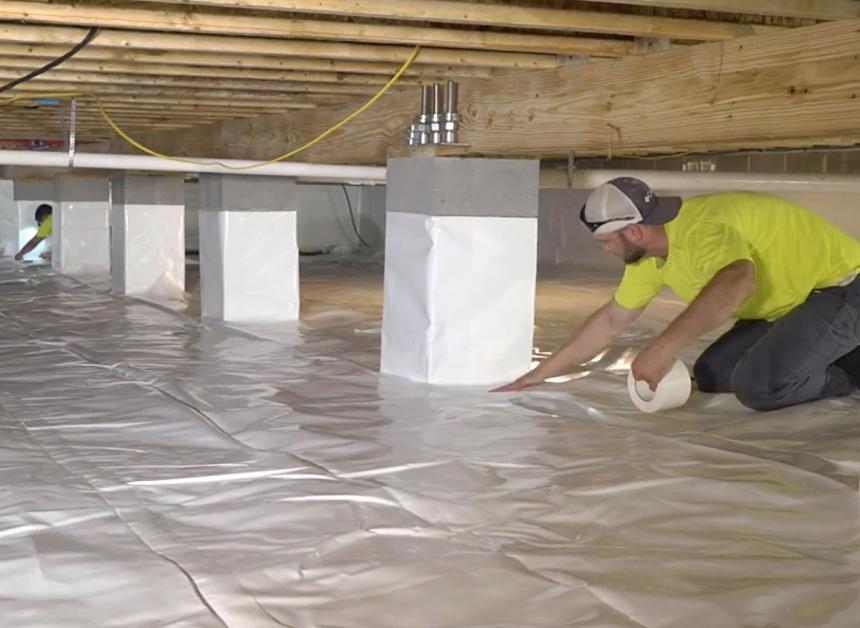
A crawl space encapsulation system needs a continuous ground vapor barrier with properly sealed seams and edges.
Check Foundation Conditions
Cracks, water staining, deteriorated masonry, efflorescence, and damaged mortar should be documented.
Encapsulation does not replace structural or foundation repairs. Those issues should be addressed before the space is sealed.
Evaluate Drainage Before Sealing The Space
Drainage is one of the most important parts of crawl space moisture control.
If water can enter from the soil, foundation, plumbing, or surface runoff, a vapor barrier alone cannot solve the underlying problem.
Exterior Drainage
Check the ground around the building for areas where water drains toward the foundation.
Downspouts should discharge water away from the structure, and grading should not direct runoff toward the crawl space.
Interior Drainage
Some crawl spaces need interior drainage, a sump system, or another method of moving water away from the foundation.
Building Science guidance recommends perimeter drainage where the crawl space is below surrounding grade and drainage provisions for plumbing leaks or flooding incidents.
Spring Thaw Concerns
Minnesota's spring thaw can increase soil moisture around foundations. A crawl space that looks dry during winter may experience water entry when frozen ground begins to thaw.
Property owners should therefore consider seasonal moisture patterns rather than judging the crawl space from one inspection alone.
Choose The Right Vapor Barrier
A vapor barrier helps limit moisture moving from the soil into the crawl space.
The material should cover the exposed ground continuously, with seams and edges sealed as part of the overall system.
What Should a Good Ground Cover Do?
A properly installed ground cover should:
- Cover exposed soil throughout the crawl space.
- Have sealed or properly overlapped seams.
- Be secured at foundation walls and around penetrations.
- Reduce evaporation of soil moisture.
- Work with the drainage and air-sealing plan.
A vapor barrier is not the same thing as drainage. If groundwater is entering the crawl space, that water source still needs to be controlled.
Air Sealing Is Another Key Factor
Small gaps can allow outdoor air and moisture to move between the crawl space and the rest of the building. Common leakage areas include rim joists, foundation penetrations, plumbing openings, utility penetrations, vents, and gaps around framing.
Minnesota's current residential energy rules address air and vapor barrier continuity, including sealing around penetrations and sealing seams. The state's foundation requirements also call for a continuous water separation plane between the inside and outside of the foundation assembly. Minnesota residential foundation and air barrier requirements
This makes careful detailing important. A crawl space should not simply be sealed around its perimeter while leaving obvious air paths untreated.
Consider Insulation Along With Encapsulation
Encapsulation and insulation perform different jobs. The vapor barrier controls moisture from the ground. Air sealing limits unwanted air movement. Insulation slows heat transfer through the foundation assembly.
For many conditioned crawl space approaches, insulation is installed along the foundation perimeter instead of between the crawl space and the floor above. Building Science research describes perimeter insulation as a way to create a warmer and drier crawl space when the space is properly conditioned.
What About R-Value?
R-value measures resistance to heat flow. A higher R-value generally provides greater resistance to heat transfer when comparing similar assemblies. The right R-value for a Minnesota crawl space depends on the assembly, insulation material, location, code requirements, and whether the crawl space is conditioned.
Spray foam can also provide air sealing when properly installed, but the required thickness should not be selected by R-value alone. Moisture behavior, vapor permeance, ignition or fire protection, and the complete wall assembly also matter.
Compare Encapsulation Approaches
Different crawl spaces need different solutions. The table below shows how common approaches address different problems.
ApproachMain PurposeHelps WithImportant LimitationGround Vapor BarrierReduce soil moisture vaporHumidity from exposed soilDoes not stop active groundwaterAir SealingReduce unwanted air movementDrafts and moisture-laden airDoes not repair water entryFoundation InsulationReduce heat transferCold foundation surfacesMust be installed correctly for moisture controlDrainage SystemMove unwanted water awayGroundwater and surface waterRequires proper design and dischargeFull EncapsulationCombine moisture and air control measuresMultiple crawl space problemsExisting water or structural problems may need repair firstThe most suitable approach depends on what the inspection finds. A property with minor soil moisture may need a different scope from one with recurring water intrusion.
Pros And Cons Of Crawl Space Encapsulation
Potential Benefits
- Better moisture control: A sealed ground cover reduces moisture entering from exposed soil.
- Reduced air leakage: Sealing gaps can limit unwanted movement between the crawl space and the home.
- Warmer foundation surfaces: Proper perimeter insulation can reduce cold surfaces where condensation may occur.
- Protection of building materials: Lower moisture exposure can help protect wood framing and other components.
- Cleaner crawl space conditions: A sealed and maintained space is easier to keep dry and inspect.
- More controlled indoor conditions: Reducing crawl space moisture and air movement can support more stable conditions above.
Potential Drawbacks
- Upfront project cost: The scope can become larger when drainage, mold remediation, repairs, or insulation are needed.
- Existing water problems remain: Encapsulation does not automatically stop groundwater or plumbing leaks.
- Maintenance is still needed: Sumps, drains, dehumidifiers, and other equipment need inspection.
- Code requirements matter: The final assembly must meet applicable Minnesota requirements.
- Improper installation can create problems: Poorly sealed barriers or incorrect insulation details can leave moisture pathways.
Real Problems Minnesota Property Owners May Face
A Damp Crawl Space With No Standing Water
The soil may be releasing moisture even when the floor looks dry. A continuous vapor barrier can help reduce this moisture source, but the space should still be evaluated for humidity and other moisture pathways.
Water Appears After Heavy Rain
This points toward a drainage or water-entry issue rather than a simple vapor problem. Exterior grading, downspouts, foundation drainage, and the crawl space floor should be evaluated before encapsulation is completed.
Condensation On Foundation Walls
Cold foundation surfaces can come into contact with moisture-laden air. Air sealing, insulation, ground moisture control, and humidity management may all be needed depending on the assembly.
Old Insulation Is Wet Or Damaged
Wet insulation should not simply be covered. The source of moisture needs to be identified, damaged materials assessed, and the replacement assembly selected according to the foundation and moisture conditions.
How Minnesota Weather Affects Crawl Spaces?
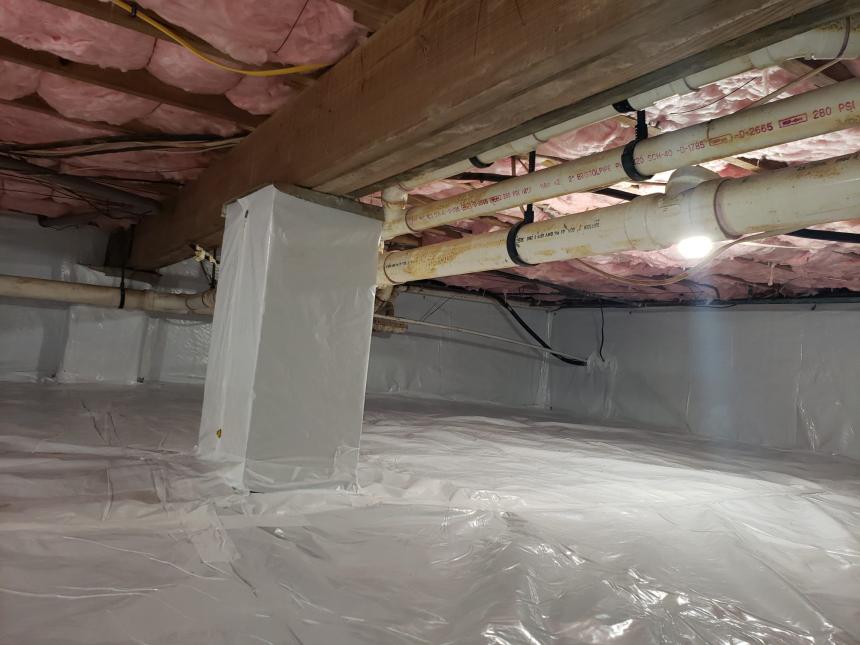
Minnesota's long heating season creates cold foundation surfaces, while warmer and more humid periods can introduce moisture into crawl spaces. Winter conditions can increase heat loss from poorly insulated crawl spaces. During spring, thawing soil and runoff can increase water pressure around foundations. Summer humidity can create condensation when humid air contacts colder surfaces.
That combination makes moisture assessment important before choosing materials. A sealed crawl space also needs a planned method for moisture removal. Conditioning, dehumidification, or another appropriate strategy may be needed depending on the building and the selected design.
Why Professional Installation Matters?
Crawl space encapsulation involves more than installing plastic sheeting. A professional assessment should consider the entire building assembly, including drainage, foundation conditions, soil moisture, air leakage, insulation, access points, plumbing, and humidity. A qualified contractor can also identify conditions that require another trade or repair before encapsulation proceeds.
What To Ask Before Hiring A Contractor
Ask whether the contractor will:
- Inspect the crawl space before recommending materials.
- Identify the source of moisture.
- Check drainage and water entry.
- Explain the vapor barrier system.
- Address major air leakage points.
- Explain where insulation will be installed.
- Discuss humidity control.
- Explain required protective coverings for foam products.
- Identify repairs that need to happen before encapsulation.
- Provide a clear written scope of work.
These questions can help property owners compare proposals based on the actual condition of the crawl space rather than comparing material thickness or price alone.
Why Choose Peak Spray Foam Insulation?
Peak Spray Foam Insulation is a family-owned insulation contractor based in Annandale, Minnesota, with more than 15 years of experience. The team includes multiple SPFA PCP-certified Master Installers and a Certified Project Manager. Owner and President Wayne Dearing also serves on the Spray Polyurethane Foam Alliance Board and contributes to education, safety, and contractor development.
For crawl spaces, the focus should be on the complete moisture and insulation assembly rather than one product. That includes identifying air leakage, moisture sources, insulation needs, and areas that require repair before the final system is installed.
Protect Your Crawl Space Before Moisture Becomes A Bigger Problem
A good crawl space encapsulation plan starts with inspection, not installation. Minnesota property owners should look at drainage, soil moisture, foundation conditions, vapor barriers, air sealing, insulation, and humidity control before choosing the final system.
The goal is a crawl space that stays dry, has controlled air movement, and protects the building materials above it. Proper planning also helps prevent an encapsulation system from hiding an existing water or structural problem.
Get A Crawl Space Assessment
If your Minnesota property has damp floors, musty odors, condensation, damaged insulation, standing water, or recurring crawl space moisture, Peak Spray Foam Insulation can evaluate the space and discuss practical solutions.
Peak Spray Foam Insulation
Phone: (612) 482-4742
Email:[email protected]
Contact the team to discuss your crawl space conditions and determine what moisture control, air sealing, and insulation work may be appropriate.
FAQs
Does Crawl Space Encapsulation Stop All Water Problems?
No. Encapsulation helps control moisture entering from the ground and unwanted air movement, but active groundwater, plumbing leaks, foundation leaks, and drainage problems may need separate solutions.
Is A Vapor Barrier The Same As Crawl Space Encapsulation?
No. A vapor barrier is one part of an encapsulation system. A complete approach may also include air sealing, foundation insulation, drainage, humidity control, and other moisture-management measures.
Should A Minnesota Crawl Space Be Vented?
The answer depends on the building design and applicable code. Conditioned crawl space approaches generally treat the crawl space as part of the building's controlled environment rather than relying on uncontrolled outdoor ventilation.
Does Spray Foam Work In Crawl Spaces?
Spray foam can be used in some crawl space assemblies for insulation and air sealing. The correct product, thickness, location, and protective requirements depend on the specific foundation assembly and applicable code.
How Do I Know If My Crawl Space Needs Encapsulation?
Signs can include persistent dampness, musty odors, condensation, standing water, wet insulation, visible mold, or high humidity. An inspection is the best way to identify the moisture source before choosing a solution.
Can Encapsulation Fix Foundation Cracks?
Encapsulation itself does not repair structural foundation damage. Cracks and other foundation concerns should be evaluated and repaired using the appropriate method before or as part of the crawl space project.
Author & Reviewer
Author: Wayne Dearing
Wayne Dearing is the Owner and President of Peak Spray Foam Insulation, a family-owned insulation contractor based in Annandale, Minnesota. He has more than 15 years of industry experience and works with a team that includes SPFA PCP-certified Master Installers and a Certified Project Manager. Wayne also serves on the Spray Polyurethane Foam Alliance Board and contributes to education, safety, and contractor development.
Reviewer: Oliver Nelson
Oliver Nelson reviewed this article and drew from six years of spray foam experience to clarify the practical considerations that matter to property owners, contractors, and customers when evaluating crawl space moisture and insulation work.
Can Kamagra Pills Interact With Other Medications?
Kamagra products are marketed for erectile dysfunction and may contain sildenafil. This in...