
What Does a SIP Investment Advisor Actually Do?
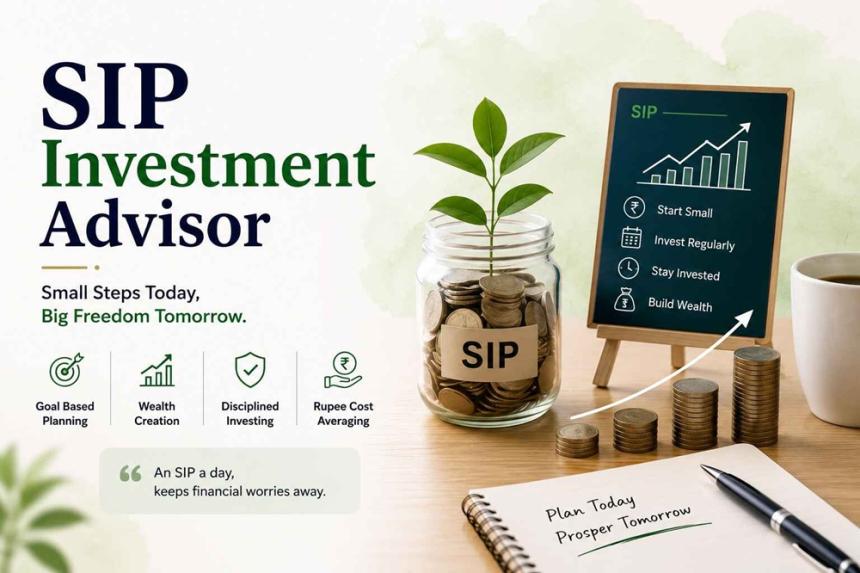
A SIP investment advisor does far more than recommend mutual funds. They help define goals, build customized investment plans, monitor performance, and guide investors through market uncertainty.
Investing through a Systematic Investment Plan, or SIP, has become one of the most popular ways to build wealth in India. It offers flexibility, discipline, and the ability to start with small amounts. However, many investors still wonder whether they need professional guidance when SIP platforms are easily accessible online.
This is where a SIP investment advisor becomes valuable. While starting an SIP may look simple, building a strategy that aligns with your financial goals requires expertise. A professional advisor does much more than suggest mutual funds. They help create a complete investment roadmap, monitor progress, and adjust your strategy as life changes.
Understanding what a SIP investment advisor actually does can help you decide whether professional guidance can improve your financial journey.
Understanding the Role of a SIP Investment AdvisorA SIP investment advisor is a financial professional who helps individuals invest systematically in mutual funds while aligning their investments with long-term financial goals.
Their work goes beyond selecting a few popular funds. Instead, they evaluate your income, expenses, risk tolerance, financial objectives, and investment timeline. Based on this information, they design a customized SIP strategy.
The role of SIP advisor involves simplifying complex investment decisions and helping clients stay disciplined during market ups and downs. Since emotions often influence financial choices, an advisor also acts as a steady guide when investors feel uncertain.
Moreover, they help investors avoid common mistakes such as stopping SIPs during market corrections or choosing unsuitable funds based only on recent returns.
How SIP Advisors Plan InvestmentsMany people think SIP planning only means selecting a mutual fund and deciding a monthly amount. In reality, how SIP advisors plan investments involves a detailed and strategic process.
Understanding Financial GoalsEvery successful investment begins with clear goals. An advisor starts by identifying what you want to achieve.
These goals may include:
- Building an emergency fund
- Saving for a child’s education
- Buying a house
- Planning retirement
- Creating wealth for future opportunities
Since each goal has a different timeline, the SIP investment advisor matches them with suitable investment options.
For example, short-term goals may require conservative funds, while long-term wealth creation may benefit from equity mutual funds.
Assessing Risk AppetiteNot every investor can tolerate the same level of market fluctuations. Therefore, understanding risk tolerance is essential.
A SIP investment advisor evaluates factors such as:
- Age
- Income stability
- Existing liabilities
- Investment experience
- Emotional response to market volatility
As a result, the advisor recommends funds that match both financial capability and emotional comfort.
This step prevents panic decisions later.
Creating a Customized SIP StrategyOnce goals and risk appetite are clear, the advisor creates a personalized SIP plan.
This may include:
- Choosing suitable mutual fund categories
- Deciding monthly SIP amounts
- Setting investment timelines
- Planning step up SIP increases
- Diversifying across asset classes
Because every investor has unique needs, customization makes a significant difference in outcomes.
Fund Selection and Portfolio BuildingSelecting the right mutual fund requires careful analysis. A professional SIP investment advisor studies several factors before recommending funds.
Evaluating Fund PerformanceAdvisors do not simply chase top-performing funds. Instead, they evaluate:
- Historical consistency
- Fund manager experience
- Risk-adjusted returns
- Expense ratios
- Portfolio holdings
Therefore, investors receive recommendations based on quality rather than temporary market trends.
Diversifying InvestmentsDiversification reduces risk and improves portfolio stability.
A SIP investment advisor may allocate investments across:
- Large-cap equity funds
- Mid-cap funds
- Small-cap funds
- Hybrid funds
- Debt funds
- International funds
As market conditions change, diversified portfolios often perform more steadily.
Monitoring and Reviewing SIP PerformanceInvestment planning does not end after setting up an SIP. Continuous monitoring is one of the most important responsibilities of SIP advisor.
Regular Portfolio ReviewsFinancial markets constantly change. Consequently, investments need regular evaluation.
An advisor reviews:
- Fund performance against benchmarks
- Asset allocation balance
- Changes in financial goals
- Tax efficiency
- Underperforming investments
This helps keep your SIP aligned with your objectives.
Rebalancing When NeededSometimes, certain funds outperform while others lag. This can disturb portfolio balance.
A SIP investment advisor makes adjustments by reallocating investments when necessary.
Because timely rebalancing controls risk, it protects long-term growth potential.
Helping Investors Stay DisciplinedOne of the most overlooked benefits of professional guidance is emotional support.
Market declines often make investors anxious. Many stop SIPs at the worst possible time. However, disciplined investing usually rewards patience.
A SIP investment advisor educates clients about market cycles and encourages them to continue investing during volatility. As a result, investors benefit from rupee cost averaging and long-term compounding. Without guidance, emotional investing can reduce returns significantly.
Tax Planning and SIP Advisory SupportTax efficiency is another important part of advisory services.
A skilled SIP investment advisor helps clients understand:
- Taxation on equity and debt mutual funds
- Capital gains rules
- Tax-saving ELSS SIP options
- Withdrawal planning strategies
Because tax rules affect final returns, professional guidance can improve net wealth creation.
Personalized Financial EducationMany investors want to understand where their money goes. A good advisor explains investment concepts clearly and helps clients become more confident.
They may educate clients on:
- Mutual fund categories
- Risk versus return
- SIP compounding benefits
- Market behavior
- Long-term investing habits
Therefore, advisory support often improves financial awareness along with portfolio performance.
When You Should Consider a SIP Investment AdvisorWhile some experienced investors manage SIPs independently, many people benefit greatly from expert support.
You should consider working with a SIP investment advisor if:
- You are new to investing
- You feel confused by fund choices
- You lack time for research
- You struggle to stay invested during market drops
- You need goal-based financial planning
- You want professional portfolio reviews
Professional advice often prevents costly mistakes and improves consistency.
Choosing the Right SIP AdvisorNot every advisor offers the same level of expertise. Therefore, selecting the right professional matters.
Look for:
1. Qualifications and CertificationsCheck whether the advisor has recognized financial certifications and relevant experience.
2. Transparent Fee StructureUnderstand how they earn. Fee-only advisors often provide unbiased recommendations.
3. Goal-Based ApproachA strong advisor focuses on your financial goals rather than selling products.
4. Ongoing SupportInvestment needs change over time. Choose someone who offers regular reviews and easy communication.
A SIP investment advisor does far more than recommend mutual funds. They help define goals, build customized investment plans, monitor performance, and guide investors through market uncertainty. Most importantly, they bring discipline and strategy to wealth creation. As financial decisions become more complex, professional support can make investing simpler and more effective. Choosing the right advisor can improve confidence, reduce mistakes, and help you stay on track toward long-term financial success.



Spain vs Argentina Tickets: Spain FIFA World Cup 2026 La Roja’s Title...

A Modern Online Gaming Platform for Entertainment Enthusiasts
A Modern Online Gaming Platform for Entertainment Enthusiasts

Eagle Ride Unblocked – Play the Exciting Flying Adventure Online | The...

A Trusted Destination for Modern Online Entertainment
A Trusted Destination for Modern Online Entertainment