
What Causes Mold and Mildew in Homes? Proper Insulation Prevents Moisture Issues
This guide will explain the science behind why mold grows.
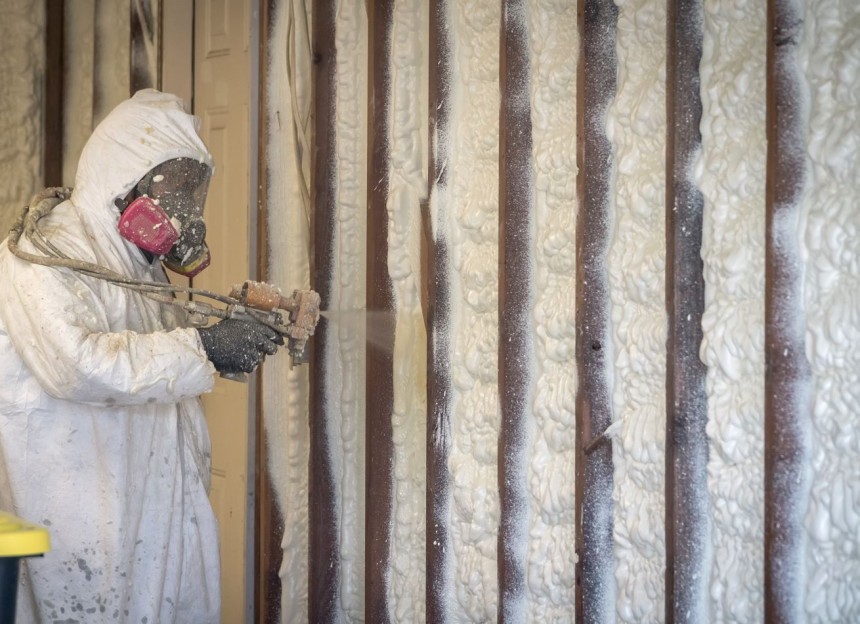
Mold and mildew in a home are caused by one primary factor: excess moisture. While mold spores are always present in the air, they only become a problem when they find a damp surface and a food source, like drywall or wood. Proper insulation, especially dense, airtight options like closed-cell spray foam, offers a fundamental defense against these moisture issues. It works by preventing the two main conditions that allow mold to thrive: condensation on cold surfaces and the infiltration of humid air from the outside. By controlling moisture at its source, the right insulation system can make a home a much healthier place to live.
This guide will explain the science behind why mold grows, how moisture gets into a home, and how modern insulation acts as a critical line of defense. The information is based on established building science principles and the hands-on experience of a professional spray foam contractor who deals with moisture problems every day.
The Three Ingredients for Mold Growth
For mold to grow, it needs three things, often called the "mold triangle":
- Mold Spores: These are microscopic and are always present in the air, both indoors and out. They cannot be eliminated.
- A Food Source: Mold can feed on almost any organic material found in a home, including wood, paper-faced drywall, dust, and fabric. These materials are part of a home's structure and cannot be removed.
- Moisture: This is the one ingredient that can be controlled. Without a source of water, mold cannot begin to grow, no matter how many spores or food sources are present.
Therefore, preventing mold is entirely about controlling moisture.
How Moisture Gets Into a Home
Moisture can enter and accumulate in a home in several ways. Understanding these pathways is the first step in stopping them.
Bulk Water Leaks
The most obvious source of moisture is a bulk water leak. This includes a leaky roof, a cracked foundation, or a plumbing failure. These issues must be repaired first and foremost. No amount of insulation can stop a direct water leak.
Air Leakage
A huge amount of moisture enters a home in the form of water vapor carried by air. In a place like Sioux Falls, which can have very humid summers, warm, moist air from the outside is constantly being pulled into the home through countless small cracks and gaps in the walls, attic, and foundation. When this humid air comes into contact with cooler surfaces inside the home, the moisture can condense.
Condensation: The Hidden Moisture Source
Condensation is the most common and least understood cause of mold in wall cavities and attics. It happens when warm, moist air comes into contact with a surface that is at or below the "dew point" temperature. A perfect example is a cold glass of water on a summer day. The "sweat" on the outside of the glass is moisture that has condensed out of the surrounding air.
The same thing happens inside a home. In the winter, the warm, relatively humid air inside your house comes into contact with cold exterior walls that are poorly insulated. The moisture in the air condenses on the cold surface of the drywall or the sheathing inside the wall cavity, creating the perfect damp environment for mold to grow.
The Role of Insulation in Moisture Control
Proper insulation is designed to manage all of these moisture pathways, creating a dry and stable environment inside the home's structure as well as reducing moisture issues in agricultural buildings.
Keeping Surfaces Warm
The primary job of insulation is to resist heat transfer. By effectively insulating a wall or ceiling, you keep the interior surfaces (like the drywall) warm. When these surfaces stay above the dew point temperature, condensation simply cannot occur. This eliminates the primary source of moisture that leads to mold growth inside wall cavities.
Stopping Air Leakage
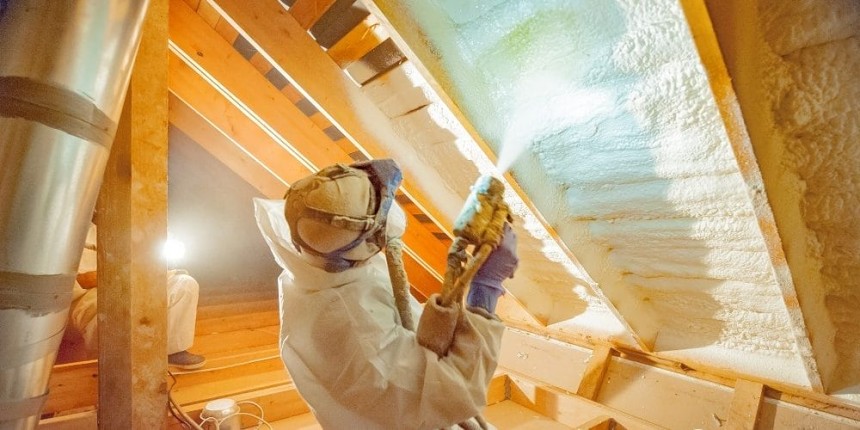
This is where the type of insulation becomes extremely important. Traditional insulation like fiberglass batts does not stop air movement. Humid air can pass right through it. Spray foam insulation, on the other hand, expands to fill every crack and gap, creating an airtight seal. This air barrier stops moisture-laden air from entering the home from the outside in the summer, and it stops warm, humid indoor air from getting into the wall cavities in the winter.
Bonus Tip: The rim joist, the wooden perimeter that sits on top of a home's foundation, is a major site for both air leakage and condensation. Sealing this area with a few inches of closed-cell spray foam is one of the most effective ways to prevent moisture and mold problems in a basement.
Acting as a Vapor Barrier
Some materials are designed to stop the movement of water vapor itself. This is critical in areas like basements and crawl spaces, where moisture from the ground can move through concrete foundation walls. Closed-cell spray foam is unique because it acts as insulation, an air barrier, and a vapor barrier all in one. Its dense, plastic cell structure is impermeable to water vapor, blocking moisture from entering the home's structure.
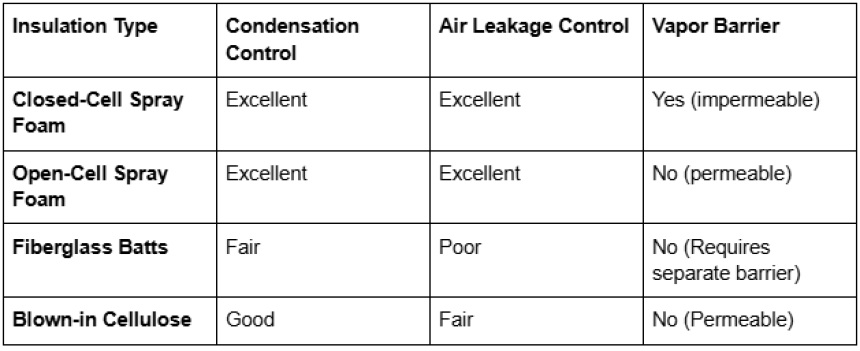
Here’s how common insulation types perform in moisture management:
Things to Consider Before Insulating for Moisture Control
- Fix Leaks First: Before investing in new insulation, ensure that any and all bulk water leaks from the roof, plumbing, or foundation have been completely repaired.
- Choose the Right Product: Select the appropriate product for each area. In moisture-prone zones like basements and crawl spaces, a vapor barrier is crucial. Closed-cell spray foam often serves this purpose effectively, while both open-cell and closed-cell foam can be suitable for above-grade walls and attics.
- Control Indoor Humidity: Insulation is a key part of the solution, but it is not the only part. It is also important to control the sources of humidity inside the home. This means using bathroom and kitchen exhaust fans that vent to the outside and ensuring your clothes dryer is properly vented.
Bonus Tip: Do not just paint over mold. While some specialty paints can inhibit mold growth, they do not solve the underlying moisture problem. The mold will almost always return unless the moisture source is eliminated.
Questions People Ask About Mold and InsulationWhat is the difference between mold and mildew?
Mildew is a specific type of mold that tends to grow on surfaces in a flat pattern and is often gray or white. Other molds can be fuzzy or slimy and come in a variety of colors. Both are fungi, and both require moisture to grow.
Can insulation be installed over moldy surfaces?
No. Any existing mold should be professionally remediated before new insulation is installed. Covering up mold with insulation will not kill it; it will just hide the problem, and the mold will continue to grow as long as moisture is present.
Does spray foam itself support mold growth?
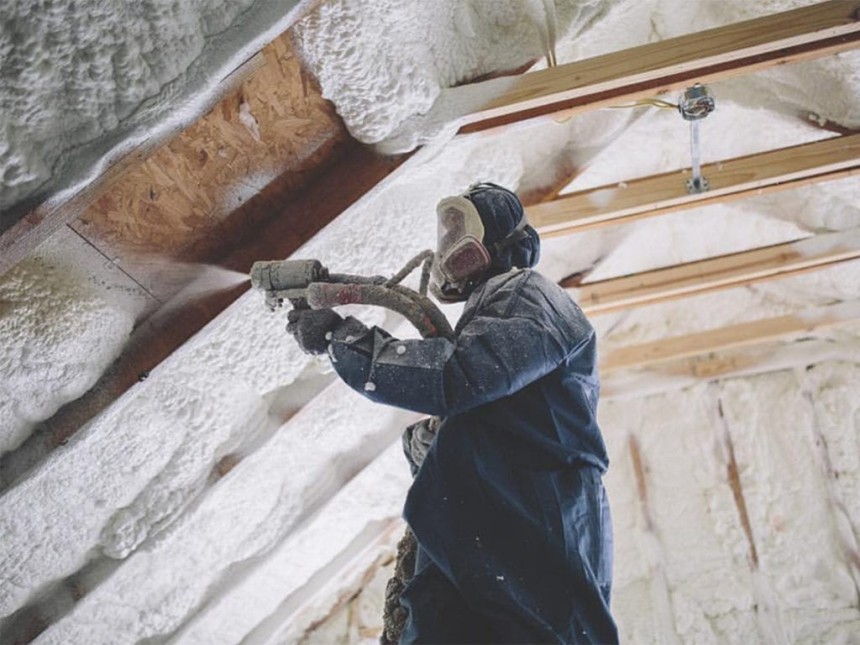
No. Spray foam is an inert plastic and does not provide a food source for mold. However, if dust or dirt settles on the surface of the foam in a damp environment, mold could potentially grow on that dirt.
Do I still need a dehumidifier in my basement if I use closed-cell foam?
It depends on various factors, including local climate, indoor humidity levels from activities, and ventilation. While closed-cell foam significantly reduces moisture intrusion through walls, potentially lowering basement humidity, some basements might still require a dehumidifier to manage moisture from other sources, such as humid summer air entering through open stairwells.
Final Thoughts on a Drier Healthier Home
The presence of mold and mildew is a clear sign of a moisture problem. While cleaning the visible growth is a necessary first step, it is not a solution. The only way to solve the problem for good is to control the source of the moisture. Proper insulation is a foundational part of this solution. By keeping surfaces warm, stopping air leakage, and blocking water vapor, a high-performance insulation system like spray foam creates a home that is not just more energy-efficient, but also a profoundly healthier and more resilient living environment.
Get a Professional Moisture Assessment
An experienced insulation contractor can help identify moisture sources and recommend effective solutions. If you're seeking an expert evaluation, many professionals, such as the team at Foam Worx Spray Foam Insulation, offer thorough assessments. FOAMWORX can be reached by email at [email protected] or by phone at (507) 407-0678.
Reviewer: Jacob Wright has 6 years of experience in spray foam insulation. He reviewed this content and made sure it focused on the real decisions small business owners deal with every day.







CNC Automatic Lathe: Improving Precision and Productivity in Modern Ma...
Modern manufacturing depends on accuracy, efficiency, and consistent product quality.
