
What Are the Benefits of Laser Snoring Treatment?
Laser snoring treatment may provide several potential benefits for suitable individuals, particularly when snoring is associated with vibration or laxity of selected soft tissues in the upper airway.
Snoring can be more than an occasional nighttime disturbance. For some people, persistent snoring can affect sleep quality, disturb a partner, and contribute to daytime tiredness. People exploring Laser Snoring Treatment in Dubai often want to understand how laser-based treatment may help and what benefits it can offer. The suitability of treatment depends on the underlying cause of snoring, the anatomy of the upper airway, and whether an individual has an associated sleep disorder. A professional assessment can help determine whether laser treatment is an appropriate option.
Understanding Snoring and Its Causes
Snoring happens when airflow through the upper airway becomes partially restricted during sleep.
Relaxed Throat Tissues
During sleep, muscles and soft tissues in the throat can relax and narrow the airway.
Vibrating Soft Tissues
Air passing through a narrowed airway can cause tissues such as the soft palate or uvula to vibrate, producing the familiar sound of snoring.
Nasal Congestion
Blocked nasal passages can make breathing more difficult and may contribute to nighttime snoring.
Individual Anatomy
The structure of the nose, throat, tongue, palate, and surrounding tissues can influence how likely someone is to snore.
How Does Laser Snoring Treatment Work?
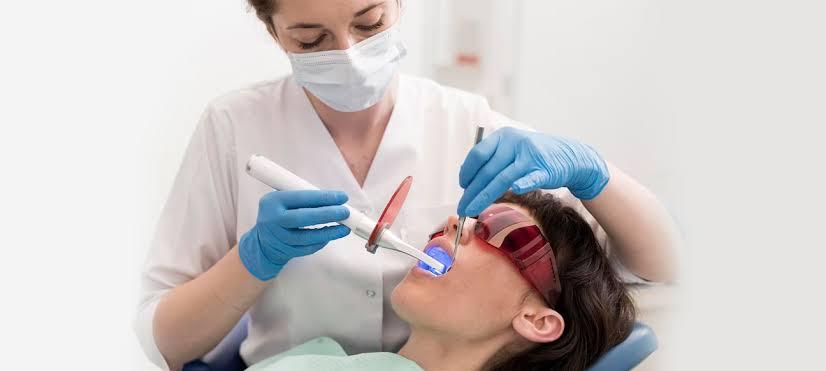
Laser-based snoring treatments are designed to target selected tissues involved in airway vibration.
Supporting Tissue Firmness
Laser energy may help stimulate tissue remodeling and improve the firmness of targeted soft tissues.
Reducing Tissue Vibration
When treated tissues become firmer, they may vibrate less during airflow.
Improving Airflow
Reducing excessive tissue laxity may help create a more favorable airway passage in appropriate cases.
Non-Surgical Approach
Some laser snoring procedures are performed without conventional surgical incisions, which can make them appealing to people looking for less invasive options.
What Are the Main Benefits of Laser Snoring Treatment?
Laser treatment may offer several potential advantages for suitable candidates.
Helping Reduce Snoring
One of the primary goals is to reduce the intensity or frequency of snoring by addressing tissues that contribute to airway vibration.
Supporting Better Sleep
Reducing disruptive snoring may help create a quieter sleeping environment and support more comfortable nighttime rest.
Improving Partner's Sleep
Persistent snoring can disturb a sleeping partner. Reducing nighttime noise may benefit both people sharing the same bedroom.
Minimal Downtime
Depending on the specific laser procedure, recovery may be relatively short compared with some traditional surgical approaches.
Gradual Tissue Improvement
Some laser treatments rely on controlled energy to encourage gradual tissue remodeling rather than producing an immediate structural change.
Can Laser Snoring Treatment Improve Sleep Quality?
Reducing snoring may help improve the overall sleeping environment.
Fewer Nighttime Disturbances
Less disruptive snoring may reduce interruptions caused by noise.
More Comfortable Sleep
A quieter environment can make it easier for some people and their partners to remain asleep.
Better Morning Rest
Improved nighttime comfort may contribute to feeling more refreshed after waking.
Individual Results
Sleep quality can be affected by many factors, so improvement varies from person to person.
It is important to remember that reducing snoring is not the same as treating every type of sleep disorder.
Can Laser Treatment Help With Throat Tissue Laxity?
Laser-based approaches may be considered when relaxed or vibrating soft tissues contribute to snoring.
Soft Palate
The soft palate can play an important role in airway vibration.
Uvula
An elongated or vibrating uvula may contribute to snoring in some individuals.
Throat Tissues
Other soft tissues in the upper airway may also contribute to airflow resistance.
Tissue Remodeling
The objective of suitable laser treatments may be to improve tissue firmness and reduce excessive vibration.
Is Laser Snoring Treatment Less Invasive Than Surgery?
For suitable patients, laser-based approaches may provide a less invasive alternative to some surgical procedures.
No Traditional Incision
Certain laser treatments can be performed without conventional surgical cuts.
Shorter Recovery
Patients may experience less downtime than with more invasive procedures, depending on the treatment used.
Outpatient Treatment
Some procedures can be performed in an outpatient setting.
Personalized Assessment
A less invasive procedure is not automatically appropriate for everyone. The cause of snoring should be evaluated first.
Can Laser Snoring Treatment Improve Breathing at Night?
In selected cases, improving tissue firmness may support airflow through the upper airway.
Airway Assessment
The provider should determine whether soft-tissue vibration or another factor is contributing to the problem.
Nasal Breathing
Nasal congestion or structural nasal problems may require a different approach.
Mouth Breathing
Persistent mouth breathing can sometimes contribute to nighttime dryness and snoring.
Individual Anatomy
Treatment effectiveness depends heavily on the underlying anatomy and cause of airway obstruction.
Who May Benefit From Laser Snoring Treatment?
Laser treatment may be considered for people whose snoring is associated with suitable soft-tissue changes.
Persistent Snoring
People who regularly snore may seek professional evaluation.
Mild Airway Tissue Laxity
Individuals with relaxed or vibrating soft-palate tissues may be considered.
Desire for a Non-Surgical Option
People who prefer to explore minimally invasive approaches may discuss laser treatment.
Realistic Expectations
Candidates should understand that results can vary and that treatment may not eliminate snoring completely.
Can Laser Snoring Treatment Benefit Couples?
Snoring often affects more than the person who snores.
Quieter Bedroom Environment
Reducing snoring can make the bedroom more comfortable.
Better Partner Sleep
A partner may experience fewer disruptions during the night.
Improved Sleep Routine
A quieter environment may support a more consistent sleeping schedule.
Relationship Comfort
Better sleep can contribute to improved daily mood and communication between partners.
Does Laser Snoring Treatment Have Long-Term Benefits?
The duration of improvement depends on the individual and the specific treatment.
Tissue Changes
Laser treatments may encourage gradual remodeling of targeted tissues.
Lifestyle Factors
Body weight, alcohol consumption, smoking, sleep position, and nasal congestion can influence snoring.
Ongoing Monitoring
Changes in symptoms should be monitored over time.
Possible Maintenance
Some treatments may require repeat sessions or maintenance depending on individual response.
Is Laser Snoring Treatment Suitable for Everyone?
No. Snoring has many possible causes, and laser treatment is not appropriate for every person.
Obstructive Sleep Apnea
People with possible sleep apnea require proper medical assessment rather than treating snoring as an isolated cosmetic or comfort concern.
Significant Airway Obstruction
More serious structural problems may require other medical or surgical approaches.
Nasal Problems
Severe nasal obstruction may need specific evaluation.
Other Sleep Disorders
Snoring may occur alongside other sleep-related conditions that require separate management.
Why Is Sleep Apnea Assessment Important?
Snoring can sometimes be a symptom of obstructive sleep apnea, a condition involving repeated interruptions in breathing during sleep.
Loud Persistent Snoring
Frequent loud snoring can warrant evaluation, particularly when other symptoms are present.
Gasping During Sleep
Gasping or choking sounds during sleep should not be ignored.
Daytime Sleepiness
Excessive daytime tiredness may indicate disrupted sleep.
Morning Headaches
Some people with sleep-disordered breathing experience headaches after waking.
Witnessed Breathing Pauses
If a partner notices repeated pauses in breathing, professional assessment is especially important.
Laser treatment intended to reduce snoring should not be viewed as a substitute for diagnosis or treatment of obstructive sleep apnea.
What Should You Expect During a Consultation?
A professional assessment helps identify whether laser treatment is appropriate.
Discuss Your Snoring
Describe how often you snore and whether it occurs every night.
Review Sleep Symptoms
Mention daytime fatigue, nighttime gasping, morning headaches, or witnessed breathing pauses.
Evaluate Airway Anatomy
The nose, mouth, throat, palate, and other relevant structures may be assessed.
Review Lifestyle Factors
Weight, alcohol use, smoking, medications, sleep position, and nasal congestion may be relevant.
Discuss Treatment Options
The provider can explain whether laser treatment or another approach is better suited to your needs.
How Can You Support Better Results?
Treatment may work best when combined with appropriate lifestyle habits.
Maintain a Healthy Weight
Excess weight can contribute to airway narrowing in some people.
Consider Sleep Position
Some individuals snore more when sleeping on their back.
Limit Alcohol Before Bed
Alcohol can increase relaxation of upper-airway muscles and may worsen snoring.
Manage Nasal Congestion
Keeping nasal passages clear may support easier nighttime breathing.
Follow Professional Advice
Following recommended aftercare and lifestyle guidance can support the treatment plan.
Checkpoint: What Benefits Should You Know About?
Laser snoring treatment may offer potential benefits such as:
- Reduced snoring intensity
- A quieter sleeping environment
- Improved comfort during sleep
- Better sleep for a partner
- A minimally invasive treatment approach
- Limited downtime with certain procedures
- Gradual improvement in selected soft-tissue concerns
- Personalized treatment planning
The benefits and expected results vary according to the cause and severity of snoring.
Personalized Laser Snoring Treatment Planning
Snoring should be evaluated according to its underlying cause rather than treated using a one-size-fits-all approach. A professional may assess the soft palate, uvula, tongue, nasal passages, airway anatomy, sleep symptoms, lifestyle factors, and medical history before recommending treatment.
For people with suitable soft-tissue-related snoring, laser treatment may provide a minimally invasive option for improving tissue firmness and reducing vibration. However, patients should have realistic expectations and understand that treatment may not completely eliminate snoring.
Anyone experiencing symptoms that could indicate sleep apnea should receive appropriate medical evaluation. Treating the sound of snoring alone may not address an underlying sleep-related breathing disorder.
How Can You Prepare for Laser Snoring Treatment?
Preparation depends on the specific procedure and individual circumstances.
Discuss Your Medical History
Provide information about existing medical conditions and medications.
Describe Your Sleep Symptoms
Tell the provider about snoring patterns, daytime tiredness, gasping, or witnessed breathing pauses.
Mention Previous Treatments
Discuss any previous procedures involving the nose, throat, palate, or airway.
Follow Pre-Treatment Instructions
Follow any preparation guidance provided before the procedure.
Understand Aftercare
Ask about recovery, activity restrictions, hydration, and follow-up requirements.
Conclusion
Laser snoring treatment may provide several potential benefits for suitable individuals, particularly when snoring is associated with vibration or laxity of selected soft tissues in the upper airway. By targeting appropriate tissues, laser-based approaches may help reduce excessive vibration and contribute to a quieter sleeping environment.
One of the appealing aspects of laser treatment is that certain procedures can be performed using a minimally invasive approach with relatively limited downtime. This may make them an option for people who want to explore alternatives to more invasive surgery. However, the level and duration of improvement vary between individuals.Laser treatment is not suitable for every cause of snoring. Nasal obstruction, significant airway problems, excess tissue, sleep position, lifestyle factors, and other conditions can all contribute to snoring. A professional assessment is therefore important before choosing a treatment.


Myths, Misconceptions, and Facts: Separating Truth from Hype in Online...
Myths, Misconceptions, and Facts: Separating Truth from Hype in Online Betting

Responsible Gambling Tools: Limits, Self-Exclusion, and Support in Mal...
Responsible Gambling Tools: Limits, Self-Exclusion, and Support in Malaysia
Beyond Football: Esports, Badminton, and Other Popular Markets in Mala...
Beyond Football: Esports, Badminton, and Other Popular Markets in Malaysia