Weed Killer: A Practical Guide to Keeping Your Garden Weed-Free
A beautiful garden or a clean outdoor space doesn’t happen by chance. It requires consistent care, attention, and the right tools.
introduction
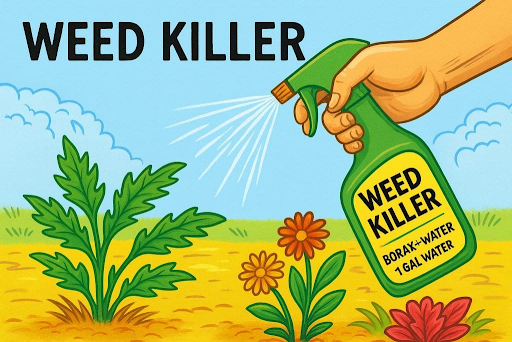
A beautiful garden or a clean outdoor space doesn’t happen by chance. It requires consistent care, attention, and the right tools. One of the biggest challenges for homeowners and gardeners is dealing with unwanted weeds that compete with plants for nutrients, sunlight, and water. This is where a reliable weed killer becomes essential.
Weeds are not just an aesthetic problem. They can quickly take over lawns, driveways, and even agricultural land if left unchecked. Understanding how to control them effectively can save both time and effort while improving the health of your plants. In this guide, we’ll explore how weed killers work, the different types available, and how to use them safely and effectively.
What Is a Weed Killer and Why Is It Important?
A weed killer, also known as a herbicide, is a substance designed to eliminate or control unwanted plants. These products are widely used in gardening, farming, and landscaping to maintain clean and healthy environments.
Weeds grow aggressively and often adapt quickly to different conditions. Unlike cultivated plants, they don’t require much care to thrive. If ignored, they can:
- Reduce crop yields
- Damage the visual appeal of gardens
- Compete with plants for essential nutrients
- Spread diseases and pests
Using the right weed control method ensures that your plants get the best possible conditions to grow.
Types of Weed Killers You Should Know
Not all weed killers are the same. Choosing the right one depends on your needs, the type of weeds, and where they are growing.
Selective Weed Killers
Selective herbicides target specific types of weeds without harming surrounding plants. These are commonly used on lawns where you want to remove weeds but keep the grass intact.
Non-Selective Weed Killers
These kill all plant life they come into contact with. They are ideal for areas like driveways, sidewalks, or spaces where no plant growth is desired.
Natural or Organic Weed Killers
For those who prefer eco-friendly options, natural solutions such as vinegar-based sprays or boiling water can help control weeds without harsh chemicals. However, they may require repeated application for effective results.
When Should You Use a Strong Weed Killer?
Sometimes, regular solutions are not enough, especially when dealing with stubborn or deeply rooted weeds. This is where a strong weed killer becomes necessary.
Certain types of weeds, like perennial weeds, have deep root systems that make them difficult to remove manually. In such cases, stronger formulations can penetrate deeper and provide long-lasting control.
You should consider a strong solution when:
- Weeds keep growing back after removal
- The area is heavily infested
- You are dealing with tough species like crabgrass or dandelions
- Manual removal is not practical
However, stronger does not always mean better. It’s important to use these products carefully to avoid damaging nearby plants or soil quality.
How to Apply Weed Killer Effectively
Using a weed killer properly is just as important as choosing the right one. Poor application can lead to ineffective results or unintended damage.
Start by identifying the type of weed you are dealing with. This helps you choose the most suitable product. Always read the instructions provided on the label before application.
Apply the solution during dry weather conditions. Rain can wash away the product before it has time to work. Early morning or late afternoon is usually the best time for the application.
Make sure to target the weeds directly. Avoid spraying on healthy plants unless you are using a selective formula. Precision plays a big role in achieving the desired outcome.
Common Mistakes to Avoid
Many people struggle with weed control, not because the product is ineffective, but because of improper use. Avoiding common mistakes can make a significant difference.
Overusing weed killers is a frequent issue. Applying more than necessary does not improve results and can harm the environment. Always follow recommended quantities.
Another mistake is inconsistent application. Some weeds require multiple treatments, especially if they are persistent. One-time use may not always be enough.
Ignoring safety precautions can also lead to problems. Protective gloves and proper handling are important, especially when using a strong weed killer.
Are Natural Alternatives Effective?
Natural weed control methods have gained popularity, especially among environmentally conscious gardeners. While they can be effective, their results may vary depending on the situation.
For small areas or mild weed problems, natural solutions can work well. However, for larger infestations or stubborn weeds, they might not provide long-term results.
Combining natural methods with preventive practices, like mulching and proper lawn care, can improve effectiveness without relying heavily on chemicals.
Long-Term Weed Prevention Strategies
Using a weed killer is only part of the solution. Preventing weeds from growing in the first place is equally important.
Healthy soil and proper plant spacing can reduce the chances of weed growth. When plants are strong and well-maintained, they naturally outcompete weeds.
Mulching is another effective technique. It blocks sunlight from reaching weed seeds, preventing them from germinating.
Regular maintenance also plays a key role. Removing weeds early, before they spread, can save a lot of effort in the long run.
Choosing the Right Weed Control Approach
There is no one-size-fits-all solution when it comes to weed control. The best approach depends on your specific needs and environment.
For small gardens, manual removal combined with light treatment may be enough. For larger areas, a more structured approach involving selective or non-selective herbicides might be required.
A balanced strategy often works best—using chemical solutions when necessary while focusing on prevention and maintenance.
Final Thoughts
Dealing with weeds is an ongoing challenge, but with the right knowledge and tools, it becomes much more manageable. A well-chosen weed killer can make a significant difference in maintaining a clean and healthy outdoor space.
Whether you’re dealing with a few unwanted plants or a large infestation, understanding how to use these products effectively is key. In some cases, a strong weed killer may be necessary, but it should always be used responsibly.
By combining the right products with good gardening practices, you can keep your lawn and garden looking its best throughout the year.
Pourquoi les Joueurs Choisissent Neowordpress
Pourquoi les Joueurs Choisissent Neowordpress