Warehouse Management System and Inventory Management Software: A Complete Guide
In today’s fast-paced and highly competitive business environment, efficient management of inventory and warehouse operations is critical for success. Companies dealing with physical goods—whether in manufacturing, retail, or e-commerce—must ensure that their storage, tracking, and procurement processes are streamlined. This is where a Warehouse Management System (WMS) and Inventory Management Software play a vital role.
What is a Warehouse Management System (WMS)?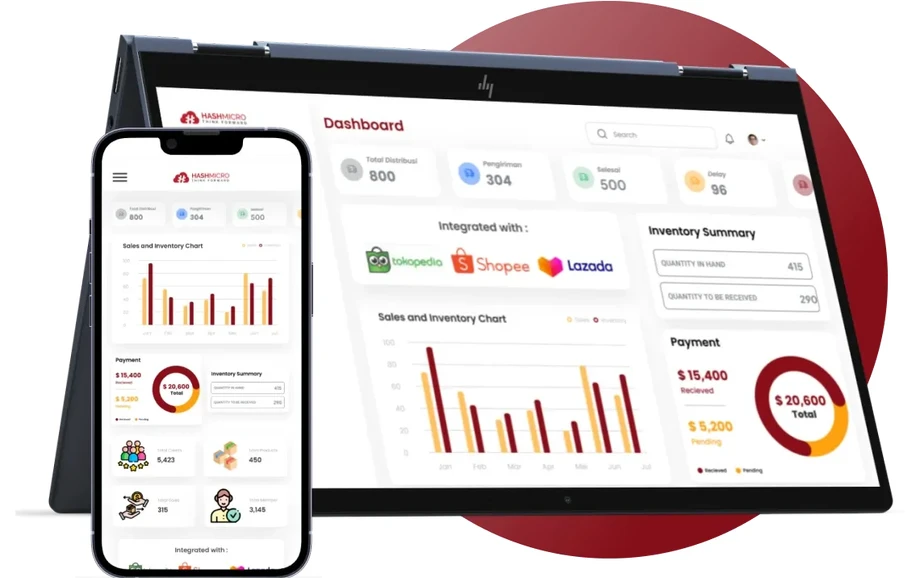
A Warehouse Management System (WMS) is a software solution designed to optimize and manage the day-to-day operations of a warehouse. It helps businesses control inventory movement, track stock levels, manage storage locations, and streamline order fulfillment processes.
A WMS ensures that goods are stored efficiently and can be retrieved quickly when needed. It provides real-time visibility into warehouse operations, reducing errors and improving productivity. With automation features, businesses can minimize manual work and ensure better accuracy in inventory handling.
Key Features of Warehouse Management SoftwareWarehouse management software comes with a range of features that help businesses operate efficiently:
1. Inventory TrackingA WMS enables real-time tracking of inventory levels. Businesses can monitor stock movement from the moment items enter the warehouse until they are shipped out.
2. Order ManagementIt streamlines order processing by automating picking, packing, and shipping. This ensures faster and more accurate order fulfillment.
3. Warehouse Layout OptimizationThe software helps in organizing warehouse space effectively, ensuring optimal storage and easy accessibility.
4. Barcode and RFID IntegrationModern warehouse systems use barcode scanning and RFID technology to track items, reducing manual errors and improving efficiency.
5. Reporting and AnalyticsAdvanced reporting tools provide insights into inventory trends, order accuracy, and warehouse performance.
What is Inventory Management Software?Inventory Management Software focuses on tracking, controlling, and managing stock levels across different locations. It ensures that businesses always have the right amount of stock available—avoiding both overstocking and stockouts.
This type of software is essential for maintaining accurate inventory records and improving decision-making.
Inventory Management System vs WMSWhile both systems deal with inventory, they serve different purposes:
- Inventory Management System: Focuses on stock levels, tracking, and forecasting.
- Warehouse Management System: Handles physical warehouse operations such as storage, picking, and shipping.
Many modern solutions combine both functionalities, providing a comprehensive platform for managing inventory and warehouse processes.
Benefits of Inventory Management Systems1. Improved AccuracyAutomated systems reduce human errors, ensuring accurate inventory records.
2. Cost ReductionBetter inventory control helps reduce carrying costs and minimize waste.
3. Enhanced Customer SatisfactionAccurate stock levels ensure timely order fulfillment, leading to better customer experiences.
4. Real-Time VisibilityBusinesses can access up-to-date information about stock levels and movement.
5. Better Decision MakingData-driven insights help businesses make informed purchasing and stocking decisions.
Best Inventory Management Software: What to Look ForChoosing the best inventory management software depends on your business needs. Here are some factors to consider:
1. ScalabilityThe software should grow with your business and handle increasing inventory volumes.
2. Integration CapabilitiesIt should integrate seamlessly with accounting, e-commerce, and procurement systems.
3. User-Friendly InterfaceAn intuitive interface ensures easy adoption by employees.
4. Automation FeaturesLook for features like automatic stock updates, reorder alerts, and demand forecasting.
5. Cloud-Based AccessCloud solutions allow access from anywhere, making operations more flexible.
6. Customization OptionsThe ability to tailor the software to your specific business processes is essential.
What is Procurement Software?Procurement software is a digital solution that helps businesses manage purchasing activities. It streamlines the process of sourcing, ordering, and paying for goods and services.
This software ensures that businesses procure the right materials at the right time and cost, improving overall efficiency.
Key Features of Procurement Software1. Supplier ManagementMaintains a database of suppliers, including pricing, performance, and contracts.
2. Purchase Order ManagementAutomates the creation and tracking of purchase orders.
3. Approval WorkflowsEnsures that purchases are authorized through predefined approval processes.
4. Expense TrackingMonitors spending and helps control procurement costs.
5. Integration with Inventory SystemsProcurement software works closely with inventory management system to ensure timely replenishment of stock.
How WMS, Inventory Management, and Procurement Work TogetherFor maximum efficiency, businesses often integrate warehouse management systems, inventory management software, and procurement software into a unified ecosystem.
- Inventory Management Software tracks stock levels and forecasts demand.
- Procurement Software ensures timely purchasing based on inventory needs.
- Warehouse Management System (WMS) manages the storage and movement of goods.
Together, these systems create a seamless workflow that improves operational efficiency and reduces costs.
Importance for Modern BusinessesWith the rise of e-commerce and global supply chains, managing inventory and warehouse operations has become more complex. Businesses must handle large volumes of orders while maintaining accuracy and speed.
Implementing a WMS and inventory management system helps businesses:
- Handle high order volumes efficiently
- Reduce operational costs
- Improve supply chain visibility
- Enhance customer satisfaction
- Stay competitive in the market
Businesses that rely on manual processes or outdated systems often face several challenges:
- Inventory inaccuracies
- Delayed order fulfillment
- Overstocking or stockouts
- Increased operational costs
- Lack of real-time visibility
These issues can negatively impact customer satisfaction and overall profitability.
Future Trends in Warehouse and Inventory ManagementThe future of warehouse management and inventory systems is driven by technology and automation:
1. Artificial Intelligence (AI)AI helps predict demand, optimize inventory levels, and improve decision-making.
2. Automation and RoboticsAutomated picking and sorting systems increase efficiency and reduce labor costs.
3. Internet of Things (IoT)IoT devices provide real-time tracking and monitoring of goods.
4. Cloud ComputingCloud-based solutions offer scalability, flexibility, and remote access.
5. Data AnalyticsAdvanced analytics provide deeper insights into operations, helping businesses optimize performance.
ConclusionWarehouse Management Systems (WMS), Inventory Management Software, and Procurement Software are essential tools for modern businesses. They help streamline operations, improve accuracy, and enhance overall efficiency.
By implementing the right systems, businesses can gain better control over their inventory, optimize warehouse operations, and ensure smooth procurement processes. Choosing the best inventory management software depends on your specific needs, but investing in the right technology is crucial for long-term success.
In a world where efficiency and speed are key, adopting advanced warehouse and inventory management solutions is no longer optional—it is a necessity for staying competitive and achieving sustainable growth.
Why Social Media Marketing Services for Small Businesses Matter
Aarav Tech Solutions



U888: A Modern Entertainment Platform Designed for Digital Users
U888: A Modern Entertainment Platform Designed for Digital Users


Rush Patch University of Tennessee Iron On: Complete Guide to Custom U...