
Understanding What Affects the Lifespan of Your Tyres
Tyres are among the most important components of any vehicle, directly influencing safety, comfort, handling, and fuel efficiency. While every driver wants their tyres to last as long as possible, tyre lifespan can vary significantly depending on several factors. Driving habits, road conditions, climate, and maintenance practices all play a crucial role in determining how quickly tyres wear out. Many motorists often ask, how long do car tyres last, but the answer depends on more than just mileage. Understanding the factors that affect tyre longevity can help drivers maximize performance and avoid premature replacements.
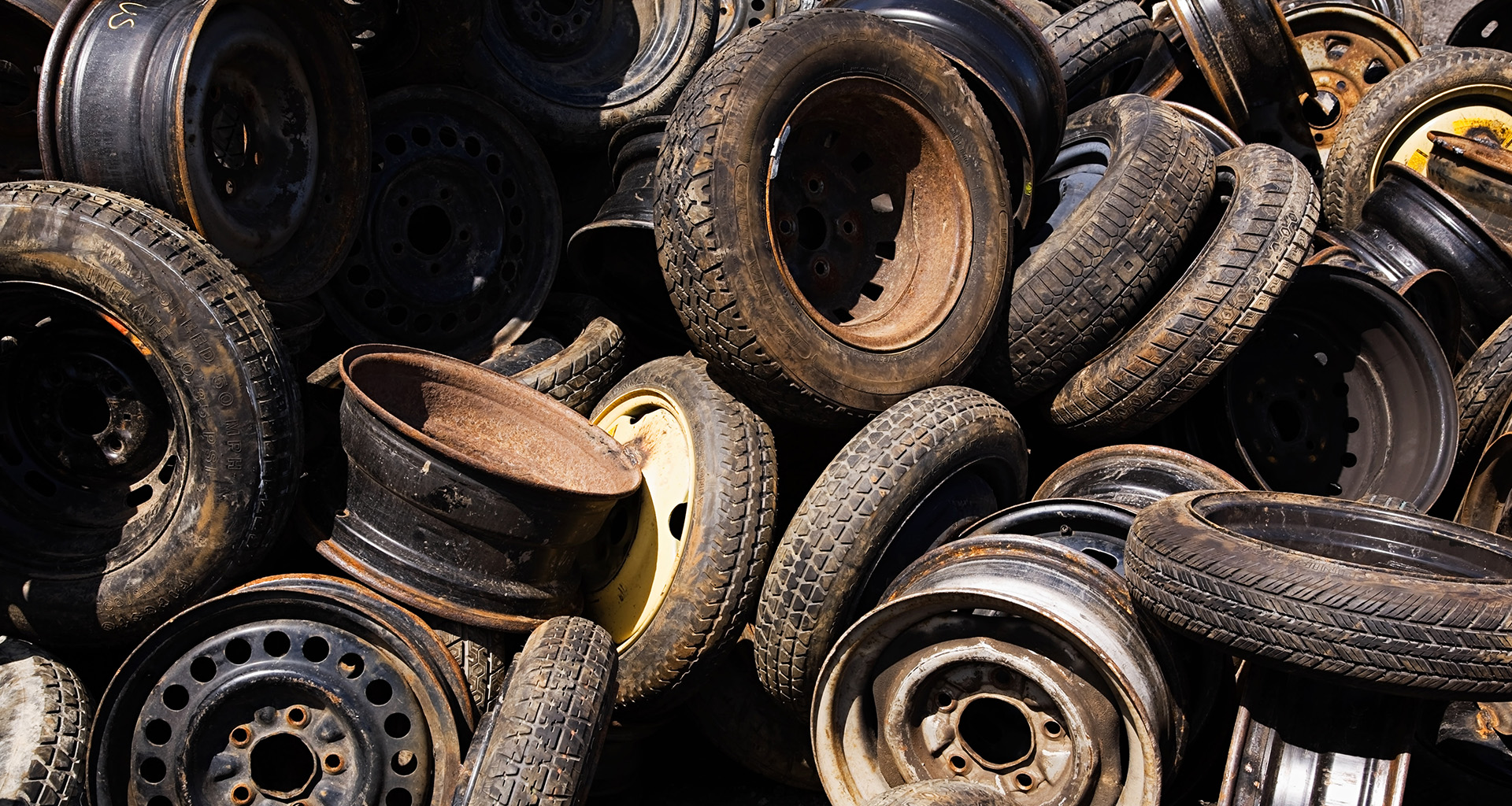
Tyres are designed to provide reliable performance throughout their service life, but they gradually wear down with regular use. As tread depth decreases and rubber compounds age, tyre performance begins to decline.
A longer tyre lifespan offers several benefits:
- Improved value for money
- Enhanced driving safety
- Better fuel efficiency
- Reduced maintenance costs
- Consistent vehicle performance
Knowing what influences tyre wear allows vehicle owners to take proactive steps to extend tyre life and improve overall driving efficiency.
How Long Do Tyres Typically Last?One of the most common questions drivers ask is how long do car tyres last. The lifespan of a tyre depends on factors such as driving frequency, road quality, climate, and maintenance routines.
While some tyres may last for several years under ideal conditions, others may wear out much sooner due to demanding driving environments or poor maintenance practices.
Rather than focusing solely on age or distance travelled, drivers should regularly inspect tyre condition and monitor tread wear to determine when replacement is necessary.
Driving Habits and Their Impact on Tyre WearAggressive AccelerationRapid acceleration places additional stress on tyres and increases friction with the road surface. Over time, this can lead to faster tread wear.
Drivers who frequently accelerate aggressively may notice their tyres wearing out sooner than expected.
Hard BrakingSudden braking creates significant heat and friction, accelerating tread deterioration. Repeated harsh braking can shorten tyre lifespan considerably.
Sharp CorneringTaking corners at high speeds places extra pressure on tyre sidewalls and tread blocks. This can lead to uneven wear patterns and reduced tyre longevity.
Adopting smoother driving habits is one of the simplest ways to maximize tyre life.
The Role of Road ConditionsUrban RoadsCity driving often involves stop-and-go traffic, frequent braking, and exposure to speed breakers. These conditions can increase tyre wear over time.
HighwaysHighway driving generally causes more uniform tyre wear because vehicles travel at consistent speeds. However, long-distance travel still contributes to gradual tread reduction.
Rough and Uneven RoadsPotholes, gravel roads, and uneven surfaces can damage tyres and accelerate wear. Repeated impacts may also affect wheel alignment and suspension components.
Road quality is a major factor when considering how long do car tyres last under different driving conditions.
Tyre Pressure and LongevityUnderinflationDriving with insufficient tyre pressure causes excessive sidewall flexing and uneven tread wear. It also generates additional heat, which can shorten tyre life.
Consequences of underinflation include:
- Increased rolling resistance
- Faster tread wear
- Reduced fuel efficiency
- Higher risk of tyre damage
Excessive tyre pressure can also create problems. Overinflated tyres often wear more rapidly in the centre of the tread and may provide a less comfortable ride.
Maintaining the correct tyre pressure is one of the most important aspects of effective car maintenance.
Wheel Alignment and BalancingImportance of Proper AlignmentWheel alignment affects how tyres make contact with the road. Misaligned wheels can cause uneven wear, reducing tyre lifespan significantly.
Common signs of alignment issues include:
- Vehicle pulling to one side
- Uneven tread wear
- Off-centre steering wheel
Unbalanced wheels can create vibrations that accelerate tyre wear and reduce driving comfort.
Regular alignment and balancing checks should be included in every car maintenance routine to help maximize tyre performance.
Climate and Environmental ConditionsHeat ExposureHigh temperatures can accelerate the aging process of tyre rubber. Extended exposure to heat may increase wear rates and reduce overall durability.
Rain and MoistureWet conditions can affect tyre performance, especially if tread depth becomes insufficient. Proper drainage through tread grooves is essential for maintaining traction.
UV RadiationProlonged exposure to sunlight can gradually degrade rubber compounds, leading to cracks and reduced flexibility over time.
Climate conditions play an important role in determining tyre longevity and overall performance.
Vehicle Load and Weight DistributionCarrying Excessive LoadsOverloading a vehicle places additional stress on tyres, increasing heat buildup and accelerating wear.
Tyres are designed to operate within specific load limits. Exceeding these limits can compromise safety and reduce tyre lifespan.
Uneven Weight DistributionImproper loading may cause certain tyres to bear more weight than others, resulting in uneven wear patterns.
Following recommended load capacities helps preserve tyre condition and improve vehicle safety.
The Importance of Regular Tyre RotationTyres do not wear evenly because different wheels experience different loads and driving forces.
For example:
- Front tyres often wear faster due to steering and braking forces.
- Rear tyres may wear differently depending on vehicle design.
Regular tyre rotation helps distribute wear more evenly across all tyres, extending their usable life and improving overall performance.
This simple procedure is a valuable component of preventive car maintenance.
Monitoring Tread WearWhy Tread Depth MattersTread depth directly affects traction, braking performance, and wet-weather handling.
As tread wears down:
- Stopping distances increase
- Grip decreases
- Hydroplaning risk rises
Regular inspections help identify excessive wear before it becomes a safety concern.
Signs of Uneven WearDrivers should watch for:
- Excessive centre wear
- Edge wear
- Patchy wear patterns
- Visible bald spots
These signs often indicate underlying issues that require attention.
Proper Tyre StorageNot all tyre wear occurs while driving. Improper storage can also affect tyre condition.
When storing tyres:
- Keep them away from direct sunlight
- Avoid excessive heat exposure
- Store in a cool, dry environment
- Protect them from chemicals and contaminants
Proper storage practices help preserve tyre quality during periods of non-use.
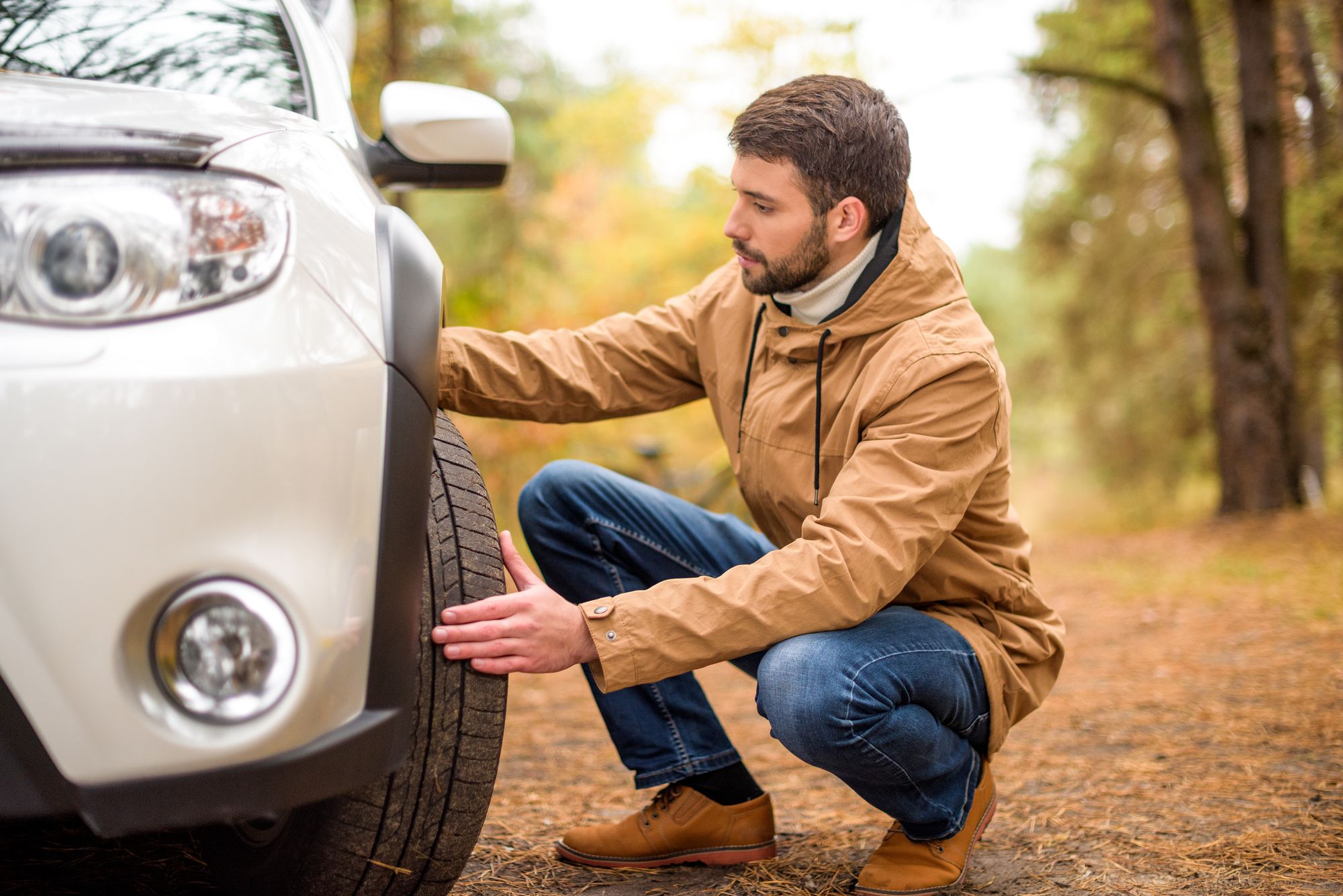
A proactive approach to tyre care can significantly improve lifespan and performance.
Recommended practices include:
Monthly Pressure ChecksMaintaining correct inflation helps reduce unnecessary wear.
Regular Visual InspectionsRoutine inspections can identify damage, punctures, or cracks before they worsen.
Scheduled Alignment ChecksProper alignment promotes even wear and stable handling.
Consistent Maintenance RecordsTracking tyre service history helps drivers identify patterns and plan replacements more effectively.
These habits contribute to better vehicle reliability and support long-term car maintenance goals.
ConclusionUnderstanding what affects tyre lifespan allows drivers to make informed decisions that improve safety, efficiency, and overall vehicle performance. Factors such as driving habits, road conditions, tyre pressure, alignment, climate, and maintenance practices all play a significant role in determining how long do car tyres last. By adopting responsible driving techniques and following a consistent maintenance schedule, motorists can maximize tyre longevity and reduce operating costs. For drivers seeking dependable tyre solutions backed by a commitment to quality and reliability, Apollo Tyres continues to be a trusted choice for enhancing performance and confidence on every journey.

What European Manufacturers Need From an Indian Event Partner
European manufacturers expanding in India bring high standards with them. They expect prec...



NBSK Pulp Price Trend Q2 2026 | Global Price Trends, Forecast, Chart,...

BCTMP Price Trend Q2 2026 | Global Price Trends, Forecast, Chart, Pric...