
Understanding the Difference Between Skin Repair and Skin Rejuvenation
Knowing the difference helps you ask better questions and choose the right care. It can also save time, money, and disappointment. In this article,
Many people use the words “skin repair” and “skin rejuvenation” as if they mean the same thing. They do not. Each one has a different goal, different treatments, and a different place in your skin care journey.
Knowing the difference helps you ask better questions and choose the right care. It can also save time, money, and disappointment. In this article, we explain what each term means, how they differ, and how they can work together.
What Is Skin Repair?
Skin repair means helping skin heal from damage. The damage may come from a cut, a burn, surgery, acne, or sun harm. It may also come from a skin condition that weakens the skin’s natural barrier.
The aim is to restore skin to a healthy state. Think of it as fixing a problem. The focus is on healing, protection, and reducing lasting marks such as scars.
How the Skin Heals
When skin is hurt, the body follows a series of steps. First, bleeding stops as a clot forms. Next, the area becomes red and swollen as the body clears damaged cells and fights germs. Then new tissue grows to close the wound. Finally, the new skin reshapes and strengthens. This last step can take months, and it is when scars may form.
Good care during these stages can improve the final result.
Common Skin Repair Steps
Skin repair often starts with simple habits. Keep the wound clean. Use a bland ointment such as petroleum jelly, and cover it if advised. Keep the skin moist, because dry skin tends to scar more easily. Protect new skin from the sun, as it is very sensitive.
For deeper marks, a doctor may suggest other options. These can include silicone gels or sheets, steroid injections for raised scars, lasers, or fillers for sunken scars. A skin specialist should check any scar before treatment begins.
What Is Skin Rejuvenation?
Skin rejuvenation is about improving how healthy skin looks and feels. It is not about fixing an injury. It is about refreshing the skin.
Common goals include reducing fine lines, evening out skin tone, fading dark spots, smoothing texture, and adding glow. Rejuvenation is often linked with aging and sun exposure.
Common Rejuvenation Options
There are many ways to refresh skin. At home, daily sun protection is the most important step. Gentle cleansing, moisturizer, and active ingredients such as vitamin C or retinoids may also help.
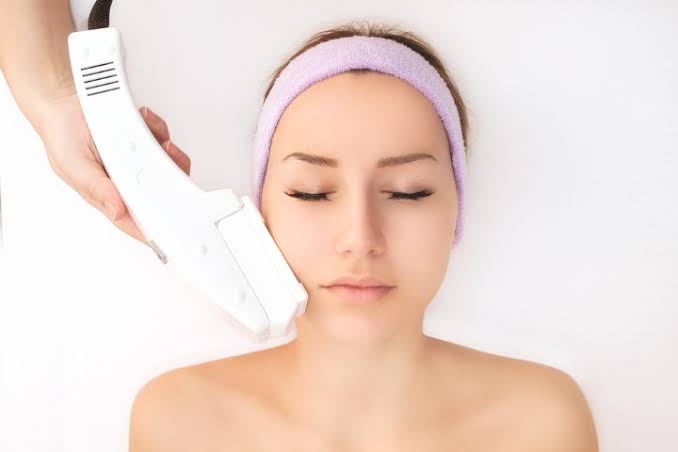
In a clinic, options may include chemical peels, microneedling, laser treatments, light-based therapies, and injectables. Some methods lightly remove the outer layer of skin to speed up renewal. Others create tiny controlled injuries to encourage the skin to make new collagen.
Healthy habits support all of these. A balanced diet, enough sleep, plenty of water, and no smoking all help skin look its best.
Key Differences at a Glance
Here is a simple way to see the difference.
The purpose of skin repair is to heal damage. The purpose of skin rejuvenation is to refresh and improve. Repair usually begins after an injury, surgery, or flare-up. Rejuvenation is often chosen by people with healthy skin who want better texture, tone, or glow.
Timing also differs. Repair has a clear start, since something has happened to the skin. Rejuvenation can be a long-term routine that starts at any age.
The two also have different risks. Poor repair can lead to infection or bigger scars. Rejuvenation treatments that are too strong or not suited to your skin type can cause color changes or irritation.
Where the Two Overlap
Repair and rejuvenation are not always separate. Many treatments do both.
Microneedling and lasers are good examples. They can soften scars, which is repair. They can also improve texture and tone, which is rejuvenation. Chemical peels may fade marks left by acne and also brighten dull skin.
This is why a personal assessment matters. A professional can look at your skin, your history, and your goals. They can then suggest the right mix of care.
When Surgery Is Part of the Picture
Some people need skin repair after a surgical procedure. Others consider surgery along with skin care. For example, those who explore body plastic surgery often ask how scars will heal and how to care for their skin afterward. The same questions come up forbreast plastic surgery. In both cases, a good plan covers healing, scar care, and long-term skin health.
Always work with a qualified and licensed specialist. Share your full medical history, and follow aftercare instructions closely. Good healing starts well before and continues long after any procedure.
How to Choose the Right Care
Start by naming your goal. Are you healing from an injury or procedure? Or are you looking to refresh healthy skin?
Then see a qualified professional. A dermatologist can match treatments to your skin type, which matters because the same treatment can affect different skin tones in different ways.
Set realistic expectations. Many treatments need several sessions, and results build slowly. Be patient and ask about downtime and risks.
Finally, protect your skin daily. Sunscreen of at least SPF 30 helps both repair and rejuvenation. Without it, results can fade or even reverse.
Final Thoughts
Skin repair and skin rejuvenation sound alike, but they serve different needs. Repair heals damage and supports recovery. Rejuvenation refreshes and improves healthy skin. Often, a good plan uses both.
If you are unsure where to start, book a consultation with a skin specialist. Clear goals, honest advice, and steady care will help your skin look and feel its best.
This article is for general information only. It is not medical advice. Please speak with a qualified health professional about your own skin.




Maxentra Review: Benefits, Ingredients & How It Works
What Is Maxentra Male Enhancement? Maxentra Male Enhancement is a dietary supplement desi...