
Understanding Spray Foam Fire Ratings and Why They Matter for Your Property's Overall Safety?
A building material's reaction to heat and fire determines how safe a structure remains during an emergency.
A building material's reaction to heat and fire determines how safe a structure remains during an emergency. The spray foam fire rating indicates how rapidly a product spreads flame and generates smoke when exposed to direct heat.
Understanding these ratings helps property owners select dependable insulation while staying fully compliant with regional building safety codes. Decades of field testing and rigorous building standards give clear guidelines on how polyurethane materials perform under extreme thermal stress.
How Fire Testing Works for Building Insulation?
Building codes require standardized lab tests to measure how quickly fire moves across surface materials. The most common standard is ASTM E84, also called the Steiner Tunnel test. This test assigns two critical scores to materials: the Flame Spread Index and the Smoke Developed Index.
A Flame Spread Index between 0 and 25 places a product into Class A, the highest safety classification available for interior building products. Most modern commercial and residential foams meet Class A criteria, meaning they resist ignition and slow flame spread across structural cavities.
The foam insulation fire rating reflects both flame spread and smoke density. While flame resistance keeps structural wood framing from burning rapidly, controlling smoke development protects escape paths for occupants. National testing data indicates that over 80 percent of modern building casualties occur from smoke inhalation rather than direct burns, making smoke indexes just as significant as flame spread ratings.
Why Is Building Code Compliance Mandatory for Foam Applications
Building codes do not treat polyurethane as an exposed finish material in occupied spaces. Even when working with a fire-rated spray foam, the International Building Code requires an approved thermal barrier between the insulation and living quarters.
A thermal barrier prevents the foam from reaching its ignition temperature for a specific period during a fire. A standard half-inch layer of gypsum board serves as the universal benchmark, providing a tested 15-minute defense barrier that delays heat transfer to the underlying foam.
Bonus Tip: In unvented attics or crawlspaces used only for service equipment, codes often allow an ignition barrier instead of a full thermal barrier, saving labor while maintaining adequate safety.
Specialized intumescent coatings offer another approved solution when drywall installation is impractical. These liquid coatings expand significantly when exposed to extreme heat, creating a thick, protective char layer over the insulation.
Open-Cell Versus Closed-Cell Performance During a Blaze
Open-cell and closed-cell products behave differently when exposed to direct flames. Open-cell foam expands rapidly into a soft, sponge-like structure with a low density, usually around 0.5 pounds per cubic foot. When directly exposed to fire, open-cell foam tends to char quickly and self-extinguish once the heat source disappears.
Closed-cell foam cures into a rigid, dense mass of approximately 2.0 pounds per cubic foot. This high density gives closed-cell foam a distinct spray foam insulation fire rating because the tightly packed structure resists heat penetration longer than lower-density alternatives.
In the event of a spray foam fire, closed-cell material maintains structural cohesion for a longer duration. It forms a dense surface crust that limits the amount of oxygen reaching the unburned material beneath it.
Bonus Tip: Always check the manufacturer's technical data sheet to ensure the specific formulation includes built-in flame retardants, as raw polyurethane without additives burns much faster.
Comparing Spray Foam to Rigid Board Insulation
Property owners often compare spray applications against rigid foam boards when planning envelope upgrades. Polyisocyanurate, expanded polystyrene, and extruded polystyrene boards all carry distinct fire profiles.
A standard foam board fire rating depends heavily on facing materials, such as foil or fiberglass facers. Foil-faced polyisocyanurate performs exceptionally well in high-heat situations because the reflective aluminum layer deflects radiant heat away from the core material.
Spray applications hold an advantage over board products by creating an airtight seal against wall studs and rafters. By filling gaps completely, spray foam blocks oxygen channels that can feed flames inside concealed wall cavities. Rigid boards require tape and sealants along every joint to achieve comparable air-blocking performance.
Key Elements to Review Before Scheduling Your Installation
Selecting the right insulation requires balancing thermal efficiency, installation conditions, and fire protection requirements. Reviewing these factors before work begins keeps your property safe and avoids costly inspection failures:
Thermal Barrier Requirements: Confirm whether your project requires half-inch drywall, an ignition barrier, or an intumescent paint coating based on local occupancy rules.
Regional Climate Demands: In damp marine climates like the Pacific Northwest, closed-cell materials offer dual protection by blocking bulk moisture while delivering a Class A spray foam fire rating.
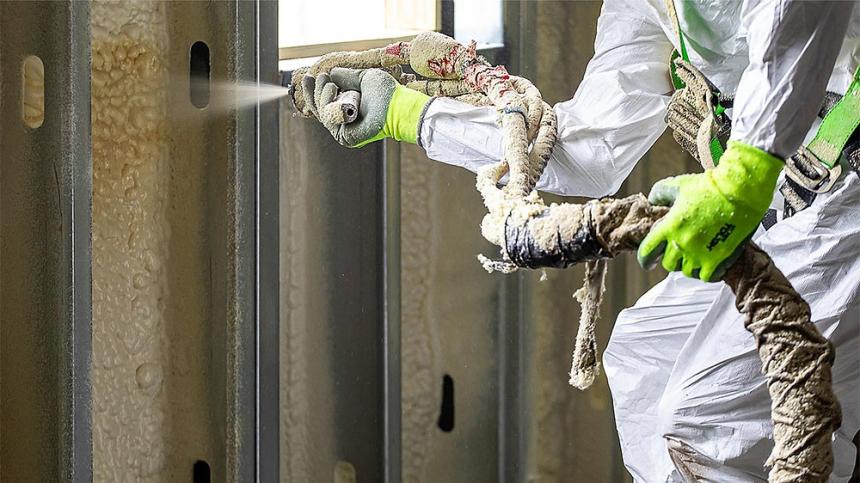
Contractor Application Controls: Improper chemical mix ratios can affect the density and fire performance of the cured foam. Experienced crews use calibrated proportioners to maintain proper product chemistry.
Ventilation Needs: Ensure your design accounts for proper indoor air exchange, especially when air-sealing attics and exterior wall assemblies.
Bonus Tip: Request copies of the installer's product submittal sheets before work starts so you can present certified fire test reports directly to your local building inspector.
Final Thoughts on Protecting Your Structure and Investment
Selecting materials with a tested spray foam fire rating ensures your building stays warm, energy-efficient, and structurally sound. Proper installation techniques, paired with approved thermal barriers, create a dependable defense against fire risks while meeting strict building codes. Take time to evaluate your property's specific layout, framing style, and regional moisture conditions, and consult with local certified installers to ensure a safe, compliant application.
Connect with Regional Specialists to Request a Free Quote for Your Next Project
If you need expert guidance on residential spray foam insulation, commercial spray foam insulation, or attic insulation, reach out to Cascadia Spray Foam Insulation of Seattle. Their experienced team helps property owners identify the right products for optimal safety and thermal performance. You can contact them by phone at (425) 386-3500 or send an email to [email protected]. Visit their local profile to review their service area and request a free quote for your next building project.
Frequently Asked Questions About Insulation Safety Standards
Does cured spray foam ignite easily from a small spark?
No, cured spray foam contains fire retardants that prevent ignition from minor sparks or brief electrical contact. It requires sustained, high-intensity heat from an active flame source to ignite.
What qualifies as an approved 15-minute thermal barrier?
The most common approved thermal barrier is half-inch gypsum board fastened securely over the foam. Other options include index-tested intumescent coatings, heavy wood paneling, or specific cementitious sprays.
Can spray foam catch fire during the installation process?
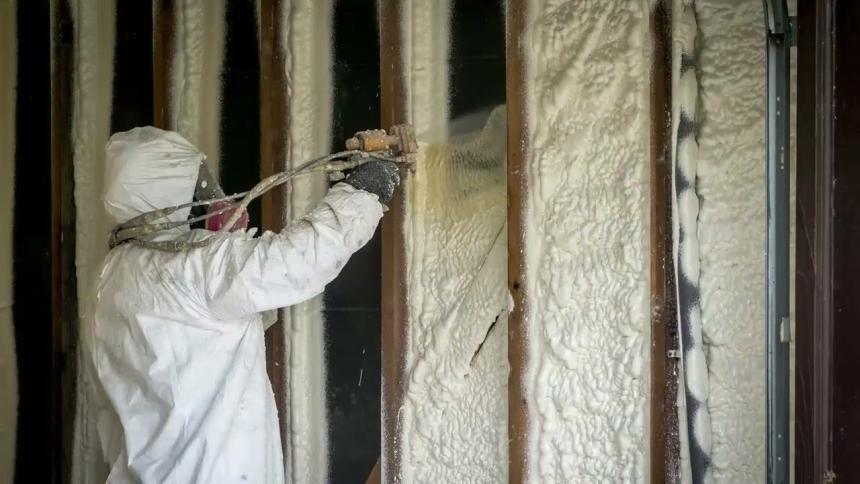
During installation, the two-part chemical reaction produces heat. Professional installers apply the material in controlled layer thicknesses to let each pass cool properly, preventing internal heat buildup and chemical scorching.
Do flame retardants in spray foam degrade over time?
Flame retardants bound within the cured polymer structure do not evaporate or degrade under normal atmospheric conditions. They remain active for the lifespan of the building envelope as long as the foam stays dry and protected from sunlight.
Do you need to remove old insulation before adding fire-rated foam?
Yes, clearing out old, damaged batts or loose-fill material allows the fresh foam to bond directly to clean framing. This clean surface contact ensures a tight seal and maintains the intended fire-resistance profile across the entire wall or ceiling cavity.