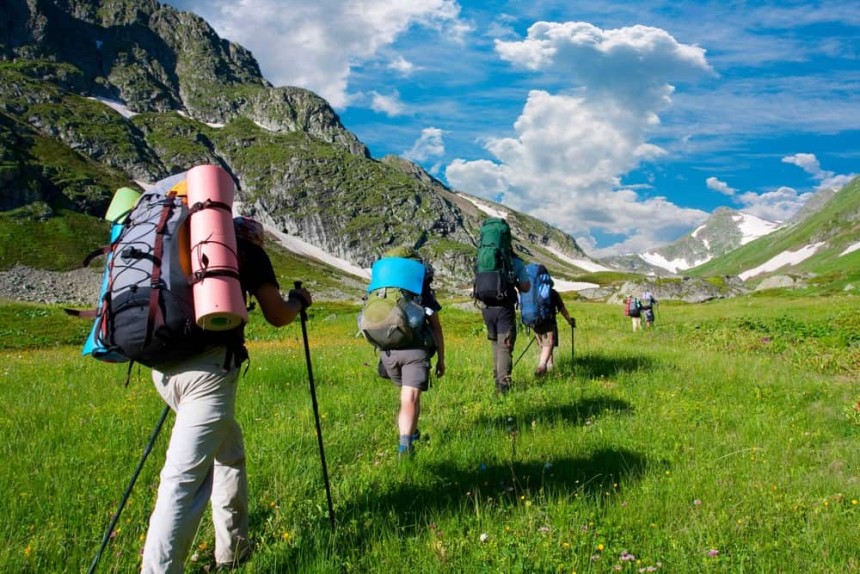

Trekking in Ladakh: Journey Through the Land of High Passes
Truly, it is not just a destination—it is an experience that stays with you forever.
For trekkers, it is a paradise offering trails that range from easy village walks to challenging high-altitude expeditions. Trekking in Ladakh is not just about adventure—it is a spiritual and cultural journey through one of the most unique terrains in the world. Ladakh, often called the “Land of High Passes,” is one of India’s most spectacular destinations for adventure seekers. Nestled in the Trans-Himalayan region, Ladakh is famous for its barren yet beautiful landscapes, snow-clad peaks, turquoise lakes, and Buddhist monasteries.
Introduction to Trekking in Ladakh
Located at altitudes ranging from 9,000 to 25,000 feet, Ladakh is a land of extremes. The region is characterized by cold deserts, rugged mountains, and crystal-clear rivers. Trekking here is unlike anywhere else in India because of its high altitude, stark beauty, and cultural richness. The trails often pass through remote villages, Buddhist monasteries, and ancient trade routes, offering glimpses of Ladakh’s heritage alongside its natural wonders.
Why Choose Ladakh for Trekking?
Unique Terrain: Cold desert landscapes, high passes, and glacial rivers.
Adventure: High-altitude treks with challenging conditions.
Culture: Buddhist monasteries, traditional villages, and festivals.
Scenic Beauty: Snow peaks, turquoise lakes, and barren valleys.
Accessibility: Connected by road and air from Leh, the capital of Ladakh.
Famous Treks in Ladakh
1. Markha Valley Trek
One of the most popular treks in Ladakh.
Highlights: Villages, monasteries, and views of Kang Yatse peak.
Difficulty: Moderate.
Best Season: June–September.
2. Chadar Trek
A unique winter trek on the frozen Zanskar River.
Highlights: Walking on ice, frozen waterfalls, dramatic gorges.
Difficulty: Difficult.
Best Season: January–February.
3. Stok Kangri Trek
A high-altitude trek leading to the summit of Stok Kangri (20,000+ feet).
Highlights: Panoramic views of the Himalayas and Karakoram.
Difficulty: Difficult.
Best Season: July–September.
4. Sham Valley Trek
Known as the “Baby Trek,” ideal for beginners.
Highlights: Villages, monasteries, and easy trails.
Difficulty: Easy.
Best Season: May–October.
5. Snow Leopard Trek
A wildlife trek in Hemis National Park.
Highlights: Spotting snow leopards, blue sheep, and Himalayan wildlife.
Difficulty: Moderate.
Best Season: November–March.
6. Lamayuru to Alchi Trek
A cultural trek connecting ancient monasteries.
Highlights: Lamayuru Monastery, Alchi Monastery, villages.
Difficulty: Moderate.
Best Season: June–September.
7. Rupshu Valley Trek
A remote trek through nomadic regions.
Highlights: Nomadic camps, lakes, and high passes.
Difficulty: Difficult.
Best Season: July–September.
Offbeat Treks in Ladakh
Zanskar Valley Trek: Remote trek through rugged terrain.
Nubra Valley Trek: Trails through sand dunes and monasteries.
Tso Moriri Lake Trek: Trek to a high-altitude lake.
Kanji Valley Trek: Offbeat trek with stunning landscapes.
Adventure Activities During Treks
Camping: Alpine meadows and riverside camps.
Photography: Snow peaks, lakes, and monasteries.
Wildlife Spotting: Snow leopards, ibex, and Himalayan birds.
Cultural Tours: Interact with local communities and monks.
Best Time for Trekking in Ladakh
Summer (June–September): Ideal for most treks, pleasant weather.
Winter (January–February): Chadar Trek on frozen Zanskar River.
Spring (March–May): Wildlife treks in Hemis National Park.
Autumn (September–October): Clear skies, perfect for photography.
Suggested Itineraries
5-Day Classic Ladakh Trekking Tour
Day 1: Arrival in Leh, acclimatization.
Day 2: Sham Valley trek, village visits.
Day 3: Markha Valley trek, camping.
Day 4: Lamayuru Monastery trek.
Day 5: Return to Leh, departure.
7-Day Extended Ladakh Trekking Tour
Day 1: Arrival in Leh, orientation.
Day 2: Sham Valley trek.
Day 3: Markha Valley trek.
Day 4: Camping in Markha Valley.
Day 5: Lamayuru to Alchi trek.
Day 6: Hemis National Park wildlife trek.
Day 7: Departure.
Accommodation Options
Camping: Tents in valleys and meadows.
Guesthouses: Basic stays in villages.
Luxury Resorts: Available in Leh and Nubra Valley.
Homestays: Cultural immersion with local families.
Travel Tips
Permits Required: Some treks need permits, especially near borders.
Pack Smart: Warm clothes, trekking shoes, rain gear.
Stay Hydrated: High altitudes can cause dehydration.
Acclimatize Properly: Spend at least 2 days in Leh before trekking.
Explore Local Cuisine: Try thukpa, momos, and butter tea.
Conservation and Eco-Tourism
Ladakh emphasizes eco-tourism, with local communities involved in conservation. Travelers are encouraged to avoid plastic, respect wildlife, and support sustainable practices.
Conclusion
Trekking in Ladakh is more than just adventure—it is a journey into the heart of the Himalayas. From the frozen Chadar trek to the cultural Lamayuru trail, from the wildlife-rich Hemis National Park to the scenic Markha Valley, Ladakh’s trails offer experiences that touch the soul. Whether you are a beginner or an experienced trekker, the region welcomes you with stark landscapes, alpine meadows, and warm hospitality. Truly, it is not just a destination—it is an experience that stays with you forever.