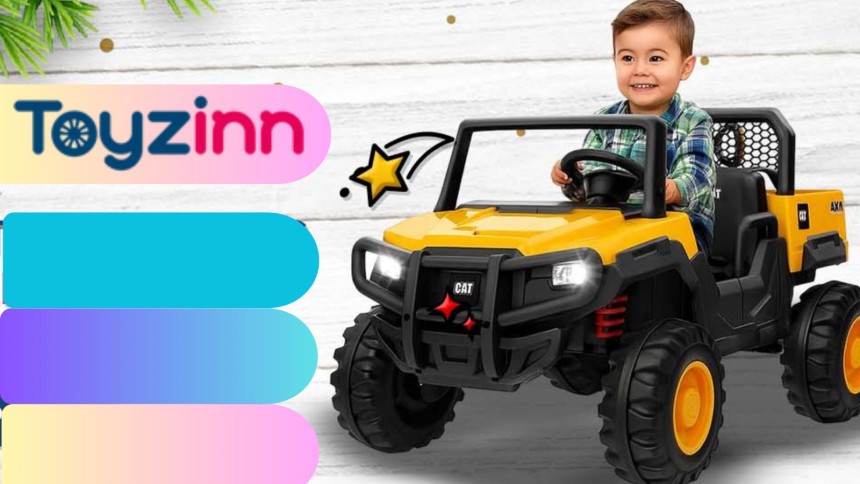

Toys for Kids: Smart Buying Guide for Safe and Educational Play
Learn how to choose the right toys for kids based on age, safety, and learning value. A practical guide for parents to buy meaningful toys.
Buying toys for kids is no longer just about choosing the most colorful box on a shelf. Today, parents want toys that encourage learning, creativity, and emotional development while remaining safe and durable. With countless options available in stores and online, selecting the right toys requires a thoughtful approach.
A well-chosen toy can improve cognitive skills, support physical growth, and strengthen imagination. On the other hand, poorly selected toys may lose a child’s interest quickly or fail to provide developmental value. Understanding how to evaluate toys helps parents turn playtime into a meaningful learning experience.
Why the Right Toys MatterChildren learn through interaction. Every object they touch, stack, shake, or imagine contributes to their understanding of the world.
Supporting Cognitive DevelopmentToys stimulate curiosity and problem-solving skills.
Skills Developed Through Play- Memory and recognition
- Cause-and-effect understanding
- Logical thinking
- Early mathematics concepts
Educational toys help children practice thinking rather than passive entertainment.
Encouraging Emotional GrowthPlay allows children to express feelings and understand social behavior.
Emotional Benefits- Builds confidence
- Improves communication
- Encourages independent thinking
Toys that allow open-ended play are especially effective for emotional development.
Safety Comes FirstNo toy is valuable if it compromises a child’s safety.
Materials and ConstructionParents should inspect materials carefully before purchasing.
Safety Checklist- Non toxic materials
- Smooth edges
- Secure small parts
- Strong stitching
Reliable retailers such as Toyzinn focus on toys that meet safety expectations, helping parents shop confidently.
Age Appropriate DesignAge recommendations exist for a reason they match children’s developmental abilities.
Why Age Matters- Prevents choking hazards
- Matches learning capability
- Improves engagement
Choosing toys outside the recommended range can reduce both safety and learning benefits.
Types of Toys and Their BenefitsA balanced selection helps children grow in multiple areas.
Educational ToysEducational toys promote structured learning.
Examples- Number and alphabet kits
- Science experiment sets
- Puzzles
These enhance problem solving and concentration skills.
Creative ToysCreative play supports imagination and self-expression.
Examples- Art supplies
- Building blocks
- Role play sets
Creative toys encourage storytelling and innovation.
Physical Activity ToysActive toys develop coordination and health.
Examples- Ride ons
- Sports toys
- Outdoor play sets
Physical play improves focus and reduces screen dependence.
Interactive ToysInteractive toys encourage social learning.
Examples- Board games
- Cooperative play sets
- Parent child activity toys
These help children understand teamwork and sharing.
Choosing Toys by Age GroupSelecting toys based on developmental stage improves engagement and learning.
Toddlers (1–3 Years)Focus on sensory exploration and motor skill growth.
Recommended Options- Stacking toys
- Soft blocks
- Musical toys
Curiosity and imagination dominate this stage.
Recommended Options- Pretend play kits
- Shape sorters
- Simple puzzles
Children begin structured thinking and problem solving.
Recommended Options- Strategy games
- STEM kits
- Construction sets
Buying fewer high quality toys is better than accumulating many disposable ones.
Benefits of Quality Toys- Longer lifespan
- Better learning value
- Higher safety standards
Parents often save money long term by choosing durable toys rather than replacing broken ones repeatedly. Curated stores like Toyzinn typically emphasize durability and educational value over short term novelty.
Final ThoughtsSelecting the right toys for kids requires balancing fun, safety, and development. Toys should inspire creativity, strengthen skills, and provide lasting value rather than momentary excitement.
By prioritizing age-appropriate design, durable materials, and educational purpose, parents turn playtime into an opportunity for growth. Thoughtfully chosen toys encourage children to explore, imagine, and learn building the foundation for lifelong curiosity and confidence.
In the end, the best toy is not the most expensive or popular, but the one that keeps a child engaged while helping them grow.



Umrah Travel Agency from Florida for a Peaceful and Memorable Pilgrima...

Deep Pocket Fitted Sheets Manufacturer Pakistan: Quality Bedding for M...

Innovative Website Development for a Stronger Digital Business Presenc...
