
Top Home Generators to Consider in 2025
Discover the best generator for home power options to install in 2025. Compare features, fuel types, sizing tips, and expert advice to keep your home running through outages.
When preparing to safeguard your household against power interruptions, investing in a high‑quality generator for home power is one of the most effective steps you can take. With increasing severe weather events and aging grid infrastructure in many regions, having a reliable backup power source isn’t just a convenience anymore — it’s peace of mind. In this comprehensive guide, we’ll walk through the top home generators to install in 2025, key factors to weigh when choosing one, and how to match your choice to your household needs.
Why Home Generators Matter
A home generator serves as an emergency power system that automatically kicks in when utility power fails. It keeps essential systems running — from lights and refrigeration to medical devices and HVAC systems — preventing food spoilage, comfort issues, and safety risks. Unlike small portable units, dedicated home generators can power entire homes or key circuits with seamless transition and minimal user involvement.
Types of Home Generators
There are a few main categories of home generators you should know about:
- Portable Generators
- These are flexible, standalone units you can move where needed. They typically run on gasoline or propane and are best for powering select appliances during shorter outages. They’re usually less costly but require manual setup and fueling.
- Standby Generators
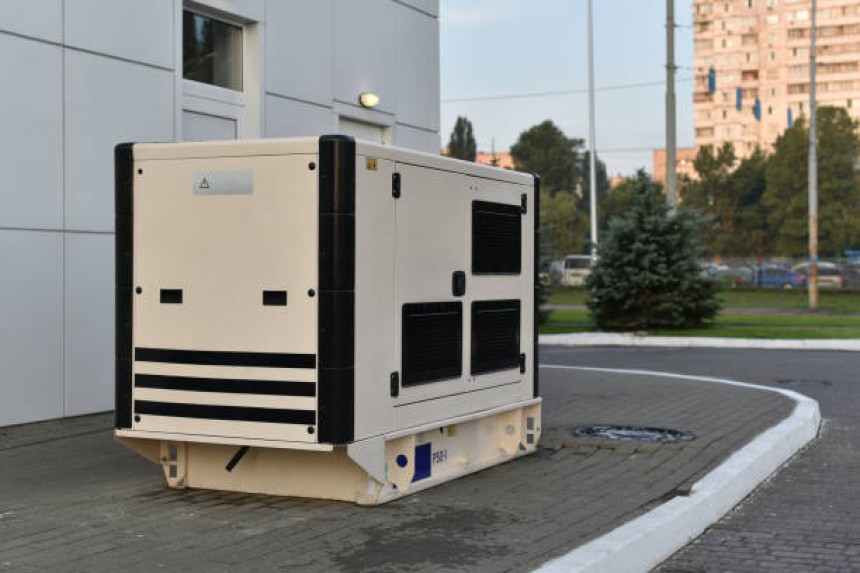
- Permanently installed outside the home and connected to your electrical panel, standby generators automatically detect power loss and switch on within seconds. They commonly run on natural gas or liquid propane and are sized to power everything from essential circuits to full‑home loads.
- Inverter Generators
- These are quieter, more fuel‑efficient units that produce stable power ideal for sensitive electronics. While often more expensive per watt, they offer portability and smooth power delivery.
Each type has its place depending on budget, power needs, fuel availability, and how often outages occur in your area.
Top Home Generators for 2025
Here’s a breakdown of standout choices you might consider this year:
1. Whole‑Home Standby Units
For homeowners who want automatic, seamless power restoration, whole‑home standby generators are the gold standard. In 2025, many units offer smart connectivity, quieter operation, and better fuel efficiency.
Key Benefits:
- Automatic operation with no manual setup
- Capable of powering entire electrical systems
- Long‑term reliability
- Integration with automatic transfer switches
When selecting a standby unit, consider your home’s total electrical demand. An electrician can perform a load calculation to recommend the right capacity (measured in kilowatts).
2. Dual‑Fuel Portable Generators
If you’re looking for flexibility without full standby costs, dual‑fuel portable generators are an excellent choice. They allow you to run on gasoline or propane, giving you options if one fuel becomes scarce.
Key Benefits:
- Flexibility in fuel sources
- Typically more affordable than standby models
- Easier storage and movement
- Good for powering essential circuits
These are ideal for smaller homes or essential circuits where full standby installation isn’t justified but reliable power is still needed.
3. Inverter Generators for Sensitive Electronics
For homes with many electronics or work‑from‑home setups, inverter generators deliver stable power that’s gentle on computers, routers, and entertainment systems.
Key Benefits:
- Clean power output
- Quiet operation
- Fuel efficiency
- Portability
Though not designed to power full homes, inverter units are perfect for targeted needs, extended outdoor projects, or supporting critical devices during outages.
What to Look for When Choosing a Generator
Selecting a generator isn’t just about picking the most powerful unit. Here are important factors to consider:
Power Output and Sizing
Generators are rated in watts. Smaller homes with limited circuits might get by with 5,000–10,000 watts, while larger homes needing full backup can require 20,000 watts or more. Always calculate your essential loads first.
Fuel Type and Availability
Consider whether you have access to natural gas lines, propane storage, or whether gasoline is easiest for you to procure. Natural gas standby generators offer a continuous fuel supply, whereas ports and inverter units rely on stored fuels.
Automatic Transfer Switches (ATS)
Standby generators paired with an ATS will automatically transfer power during outages and revert when utility service returns. This is a critical feature for hands‑off operation.
Noise Levels
Higher power often means more noise. Look for models with better muffling and sound‑dampening features to reduce disturbance.
Warranty and Support
A robust warranty and access to service support can significantly reduce long‑term maintenance costs and downtime.
Installation and Maintenance Tips
Proper installation by a certified electrician ensures safe operation and compliance with local codes. Standby units require a dedicated pad or platform, correct ventilation, and proper wiring.
Regular maintenance — including oil changes, filter checks, and load testing — will keep your generator ready when you need it. Many modern models have self‑test features to automate this process.
Safety Considerations
Never run portable generators indoors or in enclosed spaces; carbon monoxide poisoning is a serious risk. Always follow manufacturer guidelines for fuel storage and operation.
Conclusion
Choosing the right generator for home power in 2025 involves balancing your power needs, budget, and lifestyle. Whether you opt for a fully automatic standby solution, a flexible dual‑fuel unit, or a quiet inverter model, proper planning and sizing will ensure you stay powered through outages. For expert installation, ongoing support, and tailored recommendations, trust the professionals at alphaomegaelectric, who can help you select and install the ideal home generator solution.